
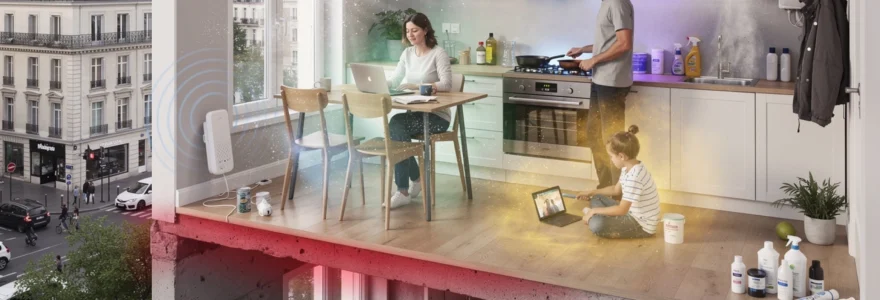
Environmental health threats lurk in the most unexpected places, silently affecting millions of people worldwide without their knowledge. From the air circulating through your home’s ventilation system to the smartphone resting beside your bed each night, modern life exposes you to countless invisible hazards that can gradually compromise your wellbeing. The World Health Organisation estimates that over 13 million deaths annually stem from avoidable environmental causes, yet most people remain unaware of the subtle ways their surroundings influence their health. These hidden exposures accumulate over time, creating a complex web of health risks that traditional medical assessments often overlook until symptoms become undeniably apparent.
Indoor air quality contaminants: volatile organic compounds and particulate matter exposure
The air inside your home can harbour concentrations of pollutants two to five times higher than outdoor levels, creating an invisible health hazard that affects you during the hours when your body should be recovering and regenerating. Indoor air quality deteriorates through multiple pathways, with volatile organic compounds (VOCs) and particulate matter representing the most pervasive threats to your respiratory and cardiovascular health.
Formaldehyde emissions from pressed wood furniture and building materials
Formaldehyde gas continuously seeps from pressed wood products, particleboard furniture, and laminate flooring throughout your home. This colourless chemical compound can cause immediate symptoms like eye irritation, throat discomfort, and respiratory distress, whilst prolonged exposure increases your risk of developing nasopharyngeal cancer. New furniture releases the highest concentrations of formaldehyde, with emissions gradually decreasing over several years but never completely stopping.
Temperature and humidity significantly influence formaldehyde release rates, meaning summer months or poorly ventilated spaces amplify your exposure levels. Even furniture marketed as « eco-friendly » may contain formaldehyde-based adhesives, making it essential to research manufacturing processes before making purchasing decisions.
Benzene and toluene release from household cleaning products and paints
Common cleaning products, paints, and adhesives release benzene and toluene into your living environment, creating chronic exposure scenarios that can affect your central nervous system and blood cell production. These aromatic hydrocarbons accumulate in poorly ventilated spaces, with concentrations remaining elevated for hours after product use. Benzene exposure has been linked to leukaemia development, whilst toluene can cause neurological symptoms including dizziness, confusion, and memory impairment.
Aerosol products pose particularly high risks because they disperse these compounds throughout entire rooms within minutes. Even stored products continue releasing vapours through their containers, contributing to baseline indoor air contamination that affects you continuously.
PM2.5 and PM10 infiltration from traffic pollution and industrial sources
Fine particulate matter penetrates building envelopes and circulates through HVAC systems, bringing outdoor pollution directly into your living spaces. PM2.5 particles, measuring less than 2.5 micrometres in diameter, bypass your body’s natural filtration mechanisms and lodge deep within lung tissue, triggering inflammatory responses that affect multiple organ systems.
Urban residents face the highest exposure risks, with traffic-related particles containing heavy metals, polycyclic aromatic hydrocarbons, and other toxic compounds. These microscopic invaders contribute to cardiovascular disease development, accelerate cognitive decline, and worsen existing respiratory conditions. Living within 300 metres of major roadways increases your lifetime exposure to harmful particulates by up to 40%.
Radon gas accumulation in basements and Ground-Floor living spaces
Radon gas seeps through foundation cracks and accumulates in enclosed spaces, creating the second leading cause of lung cancer in many developed countries. This radioactive gas occurs naturally in soil and rock formations, but becomes hazardous when trapped indoors at elevated concentrations. Approximately one in five homes exceeds safe radon levels, yet most residents remain unaware of their exposure status.
Radon exposure presents no immediate symptoms, making detection impossible without proper testing equipment. The gas accumulates gradually over months and years, with health risks correlating directly to exposure duration and concentration levels. Basement living spaces and ground-
floor rooms sit closest to the source, meaning occupants may breathe higher concentrations for longer periods. Simple, low-cost test kits can reveal whether your home exceeds recommended limits, and mitigation measures like sub-slab depressurisation systems and improved ventilation can dramatically reduce radon levels. Addressing this invisible threat is one of the most impactful steps you can take to improve indoor air quality and reduce your long-term cancer risk.
Mould spore distribution through HVAC systems and damp areas
Mould thrives in damp, poorly ventilated environments such as bathrooms, basements, and around leaky windows or pipes. Once established, mould colonies release microscopic spores that travel through the air and can be dispersed throughout your home by HVAC systems, even if the visible growth appears localised. These spores may trigger allergic reactions, worsen asthma, and in some cases contribute to chronic respiratory inflammation and fatigue.
Some mould species also produce mycotoxins, which add another layer of risk for people with compromised immune systems or pre-existing respiratory disease. You may notice subtle signs like a musty odour, condensation on windows, or recurrent coughs and sinus infections that seem to have no clear cause. Tackling mould requires both removing visible growth and eliminating the underlying moisture source, whether through improved insulation, better ventilation, or professional remediation in severe cases.
Electromagnetic field radiation from modern technology infrastructure
Beyond chemical pollutants, you are constantly surrounded by electromagnetic fields (EMFs) generated by modern technology. Mobile phones, WiFi routers, power lines, and smart devices all emit varying frequencies of non-ionising radiation that can interact with biological tissues in subtle ways. While EMF exposure from these sources is generally far below international safety limits, ongoing research continues to explore potential long-term health effects from chronic, low-level exposure.
Because EMFs are invisible, odourless, and silent, they are easy to ignore until symptoms such as sleep disturbances, headaches, or difficulty concentrating prompt questions. Regulatory bodies like the World Health Organisation and national health agencies currently maintain that typical exposure levels are safe, but they also recommend pragmatic steps to reduce unnecessary exposure. As our homes fill with ever more connected devices, understanding where EMFs come from and how to use technology wisely becomes an important part of environmental health awareness.
Radio frequency exposure from mobile phone masts and WiFi networks
Radio frequency (RF) radiation is emitted by mobile phone masts, WiFi routers, cordless phones, and Bluetooth devices. These systems operate in the microwave portion of the electromagnetic spectrum, using low-energy, non-ionising waves to transmit data. Although RF levels from a single device are usually low, cumulative exposure from multiple sources in densely populated urban environments can be significant over time.
Current evidence does not show a clear causal link between RF exposure from mobile networks and cancer, yet some epidemiological studies suggest a possible association with heavy, long-term phone use. To balance connectivity with caution, you can keep your phone away from your body when not in use, use speaker mode or wired headsets for longer calls, and avoid sleeping with your device under your pillow. Placing WiFi routers away from bedrooms and reducing unnecessary overnight transmissions can also lower your personal RF exposure without sacrificing the benefits of modern communication.
Extremely low frequency fields from power lines and electrical appliances
Extremely low frequency (ELF) fields arise from the generation, transmission, and use of electricity, typically in the 50–60 Hz range. High-voltage power lines, transformers, and everyday electrical appliances such as refrigerators, hairdryers, and induction hobs all create alternating magnetic fields when operating. These fields decrease rapidly with distance, which is why standing a short step away from an appliance dramatically reduces your exposure.
Research into ELF fields and health has primarily focused on potential links to childhood leukaemia and other cancers, with some studies indicating a small increase in risk at higher exposure levels. However, for most households, average ELF exposure remains well below guideline thresholds. Simple habits—like not pressing your body against electrical panels, avoiding prolonged periods directly next to high-powered appliances in use, and being mindful of sleeping areas near fuse boxes—can further minimise any potential risk without causing major disruption to your daily life.
Blue light emission from LED screens and energy-efficient lighting
Blue light, a high-energy portion of the visible light spectrum, is abundant in LED screens, smartphones, tablets, and many energy-efficient bulbs. During the day, blue light helps regulate your circadian rhythm, boosting alertness and supporting mood. After sunset, however, prolonged exposure to blue light can suppress melatonin production and disrupt sleep patterns, much like trying to fall asleep with a bright dawn permanently on the horizon.
Over time, circadian disruption has been associated with increased risks of metabolic disorders, depression, and cardiovascular disease. You may notice subtle early signs such as difficulty falling asleep, waking unrefreshed, or experiencing afternoon energy crashes. To protect your circadian health, you can enable night-shift or blue light–filtering settings on your devices, reduce screen use in the hour before bed, and choose warmer-tone lighting in bedrooms and relaxation spaces. Blue light–blocking glasses can provide extra protection if evening screen time is unavoidable.
Dirty electricity generation from smart metres and compact fluorescent bulbs
« Dirty electricity » refers to electrical noise or irregular, high-frequency voltage spikes that can ride along standard household wiring. Sources include some smart metres, dimmer switches, compact fluorescent lamps (CFLs), and certain electronic chargers or power supplies. While the concept remains controversial and not all experts agree on its health significance, some preliminary research and anecdotal reports link dirty electricity exposure to headaches, sleep problems, and general fatigue in sensitive individuals.
Think of dirty electricity like interference or static in a radio signal—your electrical system still works, but the extra « noise » could potentially interact with your nervous system. If you suspect you are sensitive, simple actions such as replacing older CFL bulbs with high-quality LEDs, using grounded power strips, and avoiding unnecessary use of dimmer switches may help. In complex cases, professional assessment using specialised meters can identify problematic circuits, and installing filters or upgrading wiring may reduce unwanted electrical noise.
Chemical endocrine disruptors in consumer products and food packaging
Beyond the air you breathe and the radiation you cannot see, everyday objects in your home can quietly interfere with your hormone system. Endocrine-disrupting chemicals (EDCs) mimic, block, or otherwise alter natural hormone signals, often at remarkably low doses. Because hormones regulate growth, metabolism, reproduction, and mood, even subtle disruption over time can contribute to issues such as infertility, thyroid disorders, weight gain, and hormonally driven cancers.
EDCs are found in plastics, food packaging, cosmetics, cleaning products, and even some textiles. You might encounter them when heating leftovers in a plastic container, applying scented lotion, or using non-stick cookware for a quick weeknight meal. While you cannot completely avoid these substances, understanding where the main exposures occur allows you to make informed changes that reduce your overall chemical burden and help protect your long-term hormonal health.
Bisphenol A migration from polycarbonate bottles and tin can linings
Bisphenol A (BPA) is a synthetic compound used to harden polycarbonate plastics and line metal food and drink cans. Under heat, abrasion, or prolonged contact, BPA can migrate from these materials into food and beverages, where it is then ingested. Because BPA can mimic oestrogen, it has been linked to reproductive problems, altered puberty timing, insulin resistance, and increased risk of certain cancers in animal and human studies.
Although many manufacturers now market products as « BPA-free, » replacements like BPS and BPF may carry similar endocrine-disrupting properties. To lower your exposure, opt for glass or stainless-steel bottles, avoid microwaving or dishwashing plastic containers, and choose fresh or frozen foods over canned alternatives when possible. Small switches like these, repeated daily, can significantly reduce BPA intake without requiring major lifestyle changes.
Phthalate exposure from PVC flooring and personal care products
Phthalates are a group of chemicals used to soften plastics such as PVC and to stabilise fragrances in cosmetics, cleaning agents, and air fresheners. They readily leach into indoor air and dust, meaning you can inhale or ingest them without realising. Studies have linked phthalate exposure to reduced sperm quality, hormonal imbalances, asthma in children, and potential impacts on neurodevelopment.
Because phthalates often hide behind vague ingredient labels like « fragrance » or « parfum, » identifying them can feel like navigating a maze. A practical approach is to choose fragrance-free or naturally scented personal care products, avoid vinyl shower curtains and PVC flooring where possible, and wet-dust and vacuum regularly to reduce contaminated dust. By targeting these high-yield sources, you can meaningfully cut down your phthalate exposure and support healthier hormone function.
Perfluorinated compounds in non-stick cookware and water-resistant textiles
Per- and polyfluoroalkyl substances (PFAS), sometimes called « forever chemicals, » are used to create non-stick, stain-resistant, and water-repellent surfaces. You will find them in some non-stick pans, grease-resistant food packaging, technical outdoor clothing, and treated carpets or upholstery. Their stability, while useful for manufacturers, means they persist in the environment and can accumulate in human blood and organs over time.
PFAS exposure has been associated with elevated cholesterol, immune system suppression, thyroid dysfunction, and an increased risk of certain cancers. To reduce your PFAS burden, consider replacing badly scratched non-stick cookware with stainless steel or cast iron, avoiding unnecessary stain-repellent treatments on furniture and carpets, and limiting consumption of fast food served in grease-resistant wrappers. As with many environmental toxins, each small decision builds up to a significant reduction in long-term exposure.
Triclosan absorption from antibacterial soaps and toothpaste formulations
Triclosan is an antimicrobial agent formerly added to a wide range of consumer products, including antibacterial soaps, toothpastes, and some cosmetics. Although many countries have restricted its use in handwash products, it still appears in certain formulations and treated materials. Triclosan can be absorbed through the skin or oral mucosa, and it has been shown to disrupt thyroid hormone regulation and alter gut microbiota in experimental studies.
Paradoxically, routine use of triclosan-containing products offers little extra benefit over regular soap and water for most households. Choosing simple, fragrance-free soaps and checking labels on toothpaste and personal care products allows you to avoid unnecessary triclosan exposure. By doing so, you protect not only your endocrine system but also help reduce antimicrobial contamination in waterways and the broader environment.
Heavy metal contamination through water systems and food chains
Heavy metals such as lead, mercury, cadmium, and arsenic can enter your body through drinking water, food, and, in some cases, air or dust. Unlike some other pollutants, heavy metals tend to accumulate in bones, organs, and tissues, where they can remain for years. Chronic exposure, even at low levels, can subtly impair neurological development, kidney function, cardiovascular health, and immune responses long before obvious symptoms emerge.
Lead remains a concern in older housing with legacy plumbing or paint, where tiny flakes or particles contaminate dust and water. Mercury builds up in the food chain, particularly in large predatory fish such as tuna, swordfish, and shark. Arsenic can be present in groundwater and certain crops like rice, whilst cadmium accumulates in leafy vegetables and tobacco. Using certified water filters, varying your protein sources, and being mindful about where your food comes from can all help reduce heavy metal exposure without sacrificing nutritional quality.
Subclinical health effects and biomarker detection methods
One of the most challenging aspects of environmental exposure is that damage often occurs silently, long before clinical disease appears. These early changes, called subclinical effects, might include slight increases in inflammatory markers, subtle shifts in hormone levels, or small declines in lung function. On their own, you may not notice any difference in daily life, but over years they can contribute to chronic conditions like heart disease, diabetes, or respiratory illness.
Detecting these early warning signs increasingly relies on biomarkers—measurable substances in blood, urine, hair, or exhaled breath that reflect your internal exposure and its biological impact. Human biomonitoring programmes in Europe and elsewhere, for example, track levels of heavy metals, pesticides, and endocrine disruptors in representative populations. On an individual level, specialised labs can analyse blood or urine for certain toxins, though interpretation requires expertise and must be considered alongside lifestyle and occupational history.
We can think of biomarkers as a dashboard warning light for environmental health. They do not always mean disease is inevitable, but they highlight areas where targeted changes and preventive care may make a real difference. Working with healthcare providers who understand environmental medicine, you can monitor relevant markers over time, link them to potential exposures in your home or workplace, and implement strategies—such as improved ventilation, dietary adjustments, or product swaps—to reduce your internal toxic load.
Environmental health risk assessment and personal exposure monitoring strategies
Understanding how environmental exposure can impact your health without you noticing begins with a structured risk assessment. This involves identifying potential sources around you—indoor air pollutants, water contaminants, consumer products, occupational hazards—and estimating how often and how intensely you encounter them. Public health agencies use sophisticated models and large datasets for this task, but you can apply the same principles on a personal scale by taking stock of your home, commute, and work environment.
Personal exposure monitoring is becoming more accessible, with affordable devices that measure indoor air quality, particulate matter, radon, and even some volatile organic compounds. Wearable sensors and smartphone apps can track noise levels, UV exposure, and, in some cases, proximity to high-traffic pollution zones. While these tools are not perfect, they provide valuable snapshots that help you connect abstract risks to specific behaviours—like cooking without an extractor fan, regularly using scented sprays, or jogging along busy roads at rush hour.
Once you have a clearer picture of your exposure profile, you can prioritise practical interventions. These might include improving ventilation, investing in a HEPA air purifier, switching to low-toxicity cleaning and personal care products, testing your home for radon, or choosing safer cookware and water filters. By tackling the highest-impact sources first, you avoid feeling overwhelmed and instead build a realistic, stepwise plan to safeguard your health. Ultimately, combining awareness, monitoring, and small daily actions allows you to reduce invisible threats and create a home and lifestyle that support long-term wellbeing.
 Good health cannot be bought, but rather is an asset that you must create and then maintain on a daily basis.