
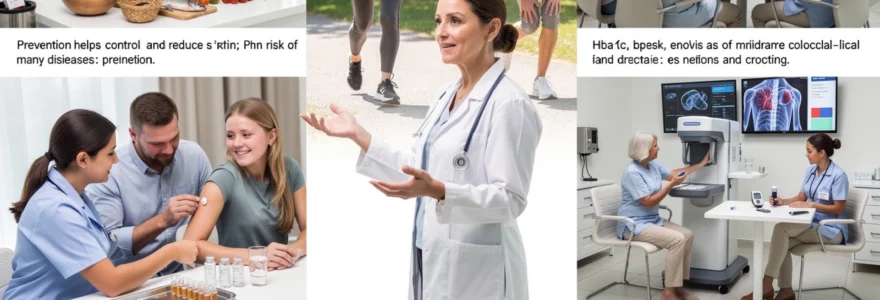
Prevention represents the cornerstone of modern healthcare, offering a transformative approach that prioritises health maintenance over disease treatment. With chronic diseases accounting for approximately 40% of preventable health outcomes and costing healthcare systems billions annually, the shift towards preventive medicine has never been more critical. The World Health Organization defines prevention as approaches aimed at reducing the likelihood that disease will affect individuals, interrupting disease progression, or minimising disability. This comprehensive strategy encompasses everything from vaccination programmes and lifestyle modifications to early detection screening and environmental health measures. By addressing risk factors before they manifest as clinical conditions, prevention not only saves lives but also reduces healthcare costs significantly, with studies showing that every £3,800 spent on prevention confers one additional year of life in perfect health, compared to £13,500 required for treatment.
Primary prevention strategies: vaccination programmes and lifestyle modifications
Primary prevention forms the foundation of disease control by targeting illness before it occurs, addressing underlying risk factors through population-wide interventions. This upstream approach proves most cost-effective, with primary prevention costing approximately £3,040 per quality-adjusted life year (QALY) compared to significantly higher treatment costs. The integration of vaccination programmes with comprehensive lifestyle modification strategies creates a robust defence against preventable diseases, demonstrating measurable impacts on population health outcomes.
WHO expanded programme on immunisation: HPV, pneumococcal, and meningococcal vaccines
The World Health Organization’s Expanded Programme on Immunisation has revolutionised disease prevention through targeted vaccination strategies. Human papillomavirus (HPV) vaccination programmes for adolescents have demonstrated remarkable success, achieving a 90% reduction in cervical cancer among young women. This intervention generates socioeconomic savings equivalent to £210,000 per case avoided, encompassing both NHS treatment costs and productivity gains. The programme’s implementation across schools ensures high coverage rates, particularly in areas with health inequalities.
Pneumococcal vaccination programmes protect vulnerable populations from invasive pneumococcal disease, pneumonia, and meningitis. The introduction of conjugate vaccines has significantly reduced disease incidence across all age groups, with particular benefits for infants and elderly populations. Similarly, meningococcal vaccination programmes target adolescents and young adults, providing protection against potentially fatal meningococcal disease. These immunisation strategies exemplify how targeted prevention can eliminate disease threats entirely, offering protection that treatment cannot match once infection occurs.
Mediterranean diet protocol in cardiovascular disease prevention
The Mediterranean diet protocol represents one of the most extensively researched nutritional interventions for cardiovascular disease prevention. This dietary pattern, characterised by high consumption of olive oil, nuts, fruits, vegetables, legumes, and fish, with moderate wine consumption, has demonstrated significant protective effects against heart disease. Clinical trials have shown a 30% reduction in cardiovascular events among high-risk individuals following Mediterranean diet protocols compared to low-fat dietary interventions.
Implementation of Mediterranean diet principles requires comprehensive nutritional education and community-based support programmes. Healthcare providers increasingly prescribe specific Mediterranean diet protocols, complete with meal planning guidelines and cooking workshops. The diet’s anti-inflammatory properties and high antioxidant content contribute to improved endothelial function, reduced blood pressure, and better lipid profiles, creating multiple pathways for cardiovascular protection.
DASH diet implementation for hypertension risk reduction
The Dietary Approaches to Stop Hypertension (DASH) diet provides a scientifically validated framework for preventing and managing high blood pressure through nutritional intervention. This eating pattern emphasises fruits, vegetables, whole grains, lean proteins, and low-fat dairy products while limiting sodium, saturated fats, and added sugars. Clinical studies demonstrate that DASH diet implementation can reduce systolic blood pressure by 8-14 mmHg, equivalent to the effect of many antihypertensive medications.
Healthcare systems increasingly incorporate DASH diet protocols into routine hypertension prevention programmes. The intervention proves particularly effective when combined with sodium restriction, targeting daily intake below 2,300mg, with optimal benefits achieved at 1,500mg daily. Community-based DASH diet programmes often include grocery store tours, cooking demonstrations, and peer support groups, ensuring sustainable dietary behaviour change across diverse populations.
Physical activity guidelines: 150-minute weekly moderate intensity exercise
These physical activity guidelines recommend at least 150 minutes of moderate-intensity exercise per week, such as brisk walking, cycling on level ground, or active gardening. This framework can also be met by 75 minutes of vigorous activity, like running or aerobic sports, or an equivalent combination of both. In addition, adults are advised to perform muscle-strengthening activities involving major muscle groups on at least two days per week to maximise cardiovascular and metabolic benefits. Regular physical activity has been linked to a reduced risk of type 2 diabetes, coronary heart disease, stroke, and certain cancers, while also improving mental health and functional capacity in older adults. To make adherence more realistic, many programmes break the 150-minute target into 30-minute sessions on five days per week, or even shorter 10-minute bouts spread across the day.
Implementing the 150-minute weekly moderate-intensity exercise framework often involves behaviour change strategies such as goal setting, self-monitoring with wearable devices, and community-based walking groups. Urban planning can support physical activity by providing safe walking paths, cycle lanes, and accessible green spaces, helping to embed movement into daily life rather than treating it as an optional extra. For individuals with chronic conditions or mobility limitations, tailored exercise prescriptions and supervised cardiac or pulmonary rehabilitation can help achieve similar preventive benefits at appropriate intensity levels. By treating physical activity like a “polypill” that lowers blood pressure, improves lipid profiles, and regulates blood sugar, healthcare providers can emphasise its central role in disease prevention. Over time, small, consistent increases in daily movement can have cumulative effects comparable to many medications, with far fewer side effects.
Smoking cessation interventions using nicotine replacement therapy and varenicline
Smoking remains one of the leading preventable causes of disease worldwide, contributing to lung cancer, chronic obstructive pulmonary disease (COPD), cardiovascular disease, and stroke. Smoking cessation is therefore one of the most powerful primary prevention strategies, with benefits evident even for long-term smokers who quit later in life. Evidence-based interventions combine behavioural support with pharmacotherapy, dramatically increasing quit rates compared with willpower alone. Nicotine replacement therapy (NRT) products, including patches, gum, lozenges, nasal sprays, and inhalators, work by delivering controlled doses of nicotine without the harmful toxins found in tobacco smoke. These therapies help reduce withdrawal symptoms and cravings, enabling individuals to gradually reduce nicotine dependence over weeks or months.
Varenicline, a partial nicotinic receptor agonist, has been shown in clinical trials to roughly double to triple the chances of successful long-term quitting compared with placebo. By partially stimulating nicotine receptors in the brain while blocking the effects of smoked nicotine, varenicline both reduces cravings and diminishes the satisfaction gained from smoking. Combined with structured counselling, quitlines, and digital support tools such as text-based reminders and smartphone apps, these pharmacological strategies form the backbone of comprehensive tobacco control. Many healthcare systems now integrate smoking cessation into routine care for patients with cardiovascular disease, diabetes, pregnancy, and severe mental illness, recognising the outsized benefits of quitting. When paired with broader policies like smoke-free environments and tobacco taxation, individual cessation support becomes even more effective, illustrating how personal and population-level prevention can work hand in hand.
Secondary prevention through early detection and screening technologies
Secondary prevention focuses on identifying disease in its earliest, often asymptomatic stages, when interventions can be most effective and less invasive. By detecting conditions like cancer, osteoporosis, or high cardiovascular risk before symptoms develop, screening programmes can prevent progression, reduce complications, and improve survival. These strategies sit “midstream” in the prevention continuum, acting like lifebuoys that pull individuals back from the brink of serious illness. While secondary prevention interventions often involve greater costs than primary prevention, they are still highly cost-effective compared with late-stage treatment. The key challenge is ensuring equitable access, appropriate targeting of high-risk groups, and clear communication about benefits and potential harms such as false positives or overdiagnosis.
Mammographic screening protocols for breast cancer detection in women aged 50-70
Mammographic screening has become a cornerstone of breast cancer prevention strategies in many countries, particularly for women aged 50 to 70, where incidence is highest. Standard protocols typically invite women in this age group for screening every two to three years, using low-dose X-ray imaging to detect small tumours before they become palpable. Randomised controlled trials and real-world data suggest that regular mammography can reduce breast cancer mortality by approximately 20–30% in the target population. Early detection often allows for less aggressive treatment options, such as breast-conserving surgery and shorter courses of radiotherapy, improving both survival and quality of life. To maximise uptake, programmes commonly send personalised invitations and reminders, and provide accessible screening locations, including mobile units in rural or underserved areas.
However, mammographic screening also carries potential harms, including false-positive results that can cause anxiety and unnecessary biopsies, as well as a small risk of overdiagnosis of cancers that may never have caused symptoms. Informed consent and clear patient information are therefore essential components of any breast screening protocol. Many health systems now incorporate risk-based approaches, adjusting screening frequency or adding supplementary imaging such as ultrasound or MRI for women with dense breast tissue or strong family histories. Digital mammography and, increasingly, artificial intelligence-assisted image analysis are enhancing diagnostic accuracy and workflow efficiency. By continuously refining criteria and technologies, mammographic screening programmes aim to balance early detection benefits with minimal harm, particularly in women between 50 and 70, where the evidence for mortality reduction is strongest.
Cervical cytology and HPV DNA testing in pap smear programmes
Cervical cancer screening programmes historically relied on cytology-based Pap smears to detect precancerous changes in cervical cells. Regular screening, typically every three to five years for women aged 25 to 64, has led to dramatic reductions in cervical cancer incidence and mortality in countries with high coverage. In recent years, many programmes have shifted towards primary human papillomavirus (HPV) DNA testing, reflecting strong evidence that persistent high-risk HPV infection is the main cause of cervical cancer. HPV DNA tests are more sensitive than cytology in detecting high-grade lesions, allowing for longer intervals between negative tests, often extending to five years. This evolution in screening technologies exemplifies how advances in molecular diagnostics can strengthen secondary prevention.
Most modern cervical screening programmes now use a combined or sequential approach: high-risk HPV testing as the primary screen, followed by cytology triage or colposcopy for HPV-positive individuals. Self-sampling kits for HPV testing are increasingly being explored to reach women who are reluctant or unable to attend in-clinic examinations, helping to close gaps in coverage. Clear communication about the meaning of HPV positivity, which is common and often transient, is crucial to avoid unnecessary distress. When integrated with HPV vaccination in adolescence, these screening strategies form a powerful double-layered defence against cervical cancer. Over time, as vaccinated cohorts age into screening programmes, some countries are already planning to adjust screening intervals and strategies to reflect lower underlying risk.
Colonoscopy and faecal immunochemical testing for colorectal cancer screening
Colorectal cancer screening typically combines non-invasive stool-based tests with colonoscopy to identify early cancers and precancerous polyps. Faecal immunochemical testing (FIT) has become the preferred stool-based method in many national programmes, as it specifically detects human haemoglobin and offers higher sensitivity than older guaiac-based tests. Individuals in the target age range, often 50 to 74, are invited to complete FIT at home every one or two years, with positive results prompting diagnostic colonoscopy. This two-step approach allows health systems to reserve more resource-intensive colonoscopies for those at higher risk, improving efficiency while maintaining strong cancer prevention impact. Studies indicate that well-organised FIT-based programmes can reduce colorectal cancer mortality by around 15–33%, depending on participation rates and follow-up.
Colonoscopy not only detects cancers but also enables removal of adenomatous polyps before they progress, functioning as both a diagnostic and therapeutic tool. However, it is invasive, requires bowel preparation, and carries small risks such as bleeding or perforation, making appropriate selection and patient counselling essential. Some high-risk groups, including individuals with strong family histories or genetic syndromes like Lynch syndrome, may be offered colonoscopy at more frequent intervals without prior FIT. To improve uptake, many programmes emphasise simple, postal delivery of FIT kits, clear instructions, and culturally appropriate information materials. By pairing accessible faecal immunochemical testing with timely, high-quality colonoscopy, colorectal cancer screening exemplifies how layered secondary prevention can intercept disease progression long before symptoms arise.
Dual-energy x-ray absorptiometry (DEXA) scanning for osteoporosis prevention
Osteoporosis, characterised by low bone density and microarchitectural deterioration, greatly increases the risk of fractures, particularly in older adults. Because bone loss is typically asymptomatic until a fracture occurs, DEXA scanning plays a critical role in secondary prevention. Dual-energy X-ray absorptiometry measures bone mineral density (BMD) at key sites such as the hip and spine, providing a quantitative assessment of fracture risk. Clinical guidelines often recommend DEXA scanning for postmenopausal women and men over 70, as well as younger individuals with risk factors like long-term corticosteroid use, low body weight, or previous fragility fractures. The resulting T-scores help classify bone status as normal, osteopenic, or osteoporotic, guiding treatment decisions.
When low BMD is identified early, clinicians can initiate targeted interventions including calcium and vitamin D supplementation, bisphosphonates, or other antiresorptive or anabolic therapies. Lifestyle measures, such as weight-bearing exercise, smoking cessation, and reducing excessive alcohol intake, further support bone health and fracture prevention. In many health systems, fracture liaison services automatically assess patients presenting with low-trauma fractures and refer them for DEXA scanning, closing gaps in diagnosis. This proactive approach aims to prevent the “second fracture,” which often leads to significant disability, loss of independence, and increased mortality. By integrating DEXA scanning into routine risk assessment for older adults, healthcare providers can transform osteoporosis from a silent threat into a manageable condition.
Tertiary prevention mechanisms: disease management and complication avoidance
Tertiary prevention focuses on individuals who already have established disease, aiming to limit progression, prevent complications, and restore function wherever possible. While primary and secondary prevention try to stop disease before or just as it appears, tertiary prevention is about minimising damage downstream. For people living with chronic conditions like heart disease, diabetes, stroke, or autoimmune disorders, effective tertiary prevention can mean the difference between stable health and repeated hospital admissions. These interventions often combine pharmacotherapy, regular monitoring, rehabilitation, and lifestyle support, delivered through multidisciplinary care teams.
ACE inhibitors and statins in post-myocardial infarction care
Following a myocardial infarction (heart attack), patients face an elevated risk of recurrent events, heart failure, and premature death. ACE inhibitors and statins are central components of tertiary prevention strategies in post-MI care, alongside beta-blockers and antiplatelet agents. ACE inhibitors help reduce blood pressure, improve ventricular remodelling, and decrease the workload on the heart, thereby lowering the risk of heart failure and subsequent cardiac events. Statins, by reducing low-density lipoprotein (LDL) cholesterol and exerting stabilising effects on atherosclerotic plaques, significantly cut the risk of recurrent myocardial infarction and stroke. Large clinical trials have consistently demonstrated that early initiation and long-term adherence to these medications improve survival and quality of life after a heart attack.
Post-MI care typically operates within a structured cardiac rehabilitation framework that integrates medication management, supervised exercise, dietary counselling, and psychological support. Patients are educated about recognising symptoms, adhering to their ACE inhibitor and statin regimens, and modifying lifestyle factors such as smoking, diet, and physical activity. Regular follow-up appointments allow clinicians to monitor blood pressure, lipid levels, kidney function, and potential side effects, adjusting doses as needed. This comprehensive approach treats the heart attack not as a one-off event but as a signal to intensify long-term cardiovascular risk management. By doing so, tertiary prevention helps transform a life-threatening episode into an opportunity for sustained secondary and primary prevention.
Hba1c monitoring and metformin therapy in type 2 diabetes management
In type 2 diabetes, tertiary prevention aims to prevent microvascular and macrovascular complications such as retinopathy, nephropathy, neuropathy, heart disease, and stroke. HbA1c monitoring provides an integrated measure of average blood glucose over the previous two to three months, guiding treatment adjustments and assessing long-term control. Most guidelines recommend checking HbA1c at least twice yearly in stable patients and quarterly in those whose therapy is changing or whose levels are not at target. Keeping HbA1c within agreed targets, often around 48–58 mmol/mol (6.5–7.5%), significantly reduces the risk of complications, although individual goals may vary depending on age, comorbidities, and hypoglycaemia risk.
Metformin remains the first-line pharmacological therapy for most people with type 2 diabetes due to its robust evidence base, safety profile, and potential cardiovascular benefits. It improves insulin sensitivity, reduces hepatic glucose production, and may support modest weight loss or weight neutrality. When HbA1c targets are not met with metformin alone, additional agents such as SGLT2 inhibitors or GLP-1 receptor agonists may be added, offering further cardiovascular and renal protection. Alongside medication, tertiary prevention in diabetes includes blood pressure and lipid control, regular retinal screening, foot examinations, and kidney function monitoring. Education in self-management, dietary choices, and physical activity empowers individuals to play an active role in their own prevention of diabetes-related complications.
Physiotherapy and occupational therapy in stroke rehabilitation
Stroke rehabilitation is a prime example of tertiary prevention focused on restoring function, reducing disability, and preventing secondary complications. Physiotherapy plays a crucial role in helping patients regain strength, balance, coordination, and mobility through targeted exercises and gait training. Early mobilisation, often within the first 24–48 hours when clinically safe, has been shown to improve outcomes by preventing complications such as deep vein thrombosis, pressure sores, and muscle wasting. Physiotherapists also work on improving cardiovascular fitness, which helps reduce the risk of recurrent stroke and other cardiovascular events.
Occupational therapy complements physiotherapy by focusing on activities of daily living, such as dressing, bathing, eating, and returning to work or social roles. Occupational therapists assess the patient’s home and work environments, recommending adaptations or assistive devices that promote independence and safety. Cognitive rehabilitation, including training in memory, attention, and problem-solving, can also fall under occupational therapy, particularly for patients with residual cognitive deficits. Together, these therapies form a coordinated, multidisciplinary approach that addresses both the physical and cognitive consequences of stroke. By maximising recovery and preventing complications like falls, contractures, and depression, stroke rehabilitation demonstrates how tertiary prevention can profoundly influence long-term quality of life.
Immunosuppressive protocols in autoimmune disease progression control
Autoimmune diseases such as rheumatoid arthritis, systemic lupus erythematosus, and inflammatory bowel disease involve the immune system attacking the body’s own tissues. Without effective control, these conditions can lead to irreversible organ damage, disability, and reduced life expectancy. Immunosuppressive protocols, ranging from conventional disease-modifying anti-rheumatic drugs (DMARDs) like methotrexate to targeted biologic agents, are central to tertiary prevention in this context. The goal is to achieve and maintain remission or low disease activity, thereby slowing or halting progression. Regular monitoring of disease activity scores, imaging, and laboratory markers helps clinicians adjust therapy to maintain tight control.
Because immunosuppressive therapies can increase susceptibility to infections and other adverse effects, tertiary prevention also includes careful risk management. This may involve vaccination against influenza, pneumococcal disease, and, where appropriate, shingles before starting strong immunosuppressants. Routine blood tests monitor for liver toxicity, bone marrow suppression, and other complications, while patient education emphasises recognising signs of infection early. By balancing disease control with safety, immunosuppressive protocols aim to preserve joint function, organ integrity, and overall quality of life. In many autoimmune conditions, early aggressive treatment followed by careful tapering has transformed what were once relentlessly progressive diseases into manageable chronic conditions.
Environmental and occupational health prevention measures
Environmental and occupational health measures extend prevention beyond individual behaviour, tackling the broader conditions in which people live and work. Many chronic diseases and injuries are shaped by exposures to air pollution, hazardous chemicals, noise, poor housing, and unsafe workplaces. By regulating these exposures, societies can reduce the baseline risk of disease across entire populations, often without individuals needing to change their personal habits. For instance, setting air quality standards and reducing particulate matter emissions has been linked to lower rates of cardiovascular and respiratory disease, demonstrating how “invisible” environmental policies can yield very visible health benefits.
Occupational health regulations, such as mandatory use of personal protective equipment, limits on exposure to carcinogens, and ergonomically designed workspaces, help prevent work-related injuries and chronic conditions like musculoskeletal disorders. Just as a seatbelt protects you before a crash happens, these measures create a protective layer between workers and potential hazards. Regular workplace risk assessments, health surveillance, and employee training programmes further strengthen this layer, ensuring that hazards are identified and controlled early. In industries with known high-risk exposures, such as mining, construction, or healthcare, targeted screening and vaccination programmes provide additional protection. By integrating environmental and occupational health into broader public health strategies, we can address many “upstream” drivers of disease that no amount of clinical care alone could fully offset.
Population-based prevention: public health policy and community interventions
Population-based prevention focuses on shifting risk distributions across entire communities rather than only targeting high-risk individuals. Public health policies such as tobacco taxes, minimum alcohol pricing, food reformulation targets, and restrictions on junk food advertising aim to reshape environments so that healthier choices become easier and more affordable. These measures act like adjusting the course of a river upstream: even small shifts in average behaviour can translate into large reductions in disease burden across millions of people. For example, smoke-free legislation in public places has led to measurable drops in heart attack and asthma admissions within just a few years of implementation.
Community interventions complement national policies by tailoring prevention to local needs and cultures. Initiatives might include school-based nutrition and physical activity programmes, community walking groups, local “healthy corner store” schemes, or culturally adapted health education in multiple languages. These programmes often work best when co-designed with community members, ensuring they address real barriers such as cost, transport, safety, and time pressures. Importantly, population-based prevention can help reduce health inequalities by focusing efforts on deprived areas where multiple risk factors cluster. When policies and interventions are designed with equity in mind—such as subsidising healthy foods or providing free exercise facilities in low-income neighbourhoods—they can deliver disproportionate benefits for those who need them most.
Emerging technologies in preventive healthcare: genomics and precision medicine
Emerging technologies such as genomics and precision medicine are expanding what prevention can achieve by tailoring interventions to individual risk profiles. Genomic testing can identify inherited predispositions to conditions like familial hypercholesterolaemia, BRCA-related breast and ovarian cancer, or Lynch syndrome in colorectal cancer. Identifying these high-risk individuals early allows for intensified screening, prophylactic medications, or even preventive surgery, dramatically reducing disease risk. At the same time, polygenic risk scores are being developed to estimate more subtle genetic contributions to common diseases, potentially guiding lifestyle and pharmacological prevention strategies on a more personalised basis.
Precision medicine extends beyond genetics to integrate data from biomarkers, imaging, wearable devices, and electronic health records, building detailed “risk signatures” for individuals. Imagine prevention as a bespoke suit rather than a one-size-fits-all garment: treatment plans, screening intervals, and lifestyle recommendations can be adjusted to match each person’s unique profile. For example, continuous glucose monitors and digital coaching platforms can help individuals at high risk of diabetes fine-tune their diet and activity in real time. Similarly, machine learning algorithms are being used to predict hospital readmissions or identify patients at risk of heart failure exacerbations before symptoms escalate. While these technologies raise important questions about data privacy, equity of access, and potential overdiagnosis, they also offer powerful new tools to make prevention more proactive and precise. As genomics and precision medicine mature, their integration with traditional public health approaches could usher in a new era where preventing disease becomes as data-driven and personalised as treating it.
 Good health cannot be bought, but rather is an asset that you must create and then maintain on a daily basis.