
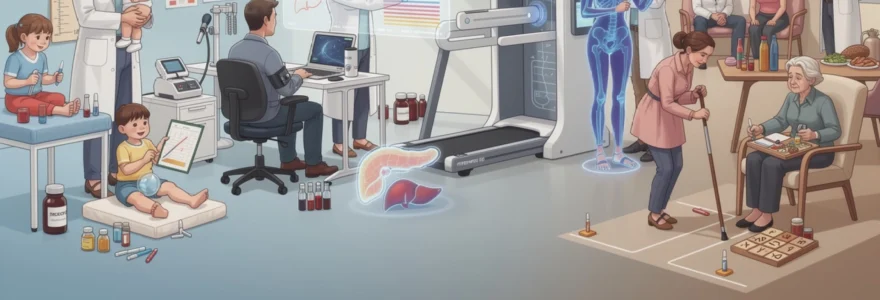
Prevention is not a one-size-fits-all proposition. The strategies that safeguard health in childhood differ dramatically from those required during working adulthood, midlife hormonal transitions, or advanced age. As our bodies evolve through distinct physiological stages and our lifestyles shift with career demands, family responsibilities, and retirement, so too must our approach to preventive healthcare. Understanding how evidence-based prevention protocols adapt across the lifespan enables you to make informed decisions that preserve function, independence, and quality of life. From the first immunisations administered in infancy to the comprehensive frailty assessments conducted in geriatric care, each life stage presents unique health risks and corresponding opportunities for intervention. This article explores the sophisticated, age-specific prevention frameworks that modern medicine employs, examining how clinical protocols respond to developmental milestones, occupational exposures, hormonal changes, genetic predispositions, and the cumulative effects of lifestyle choices.
Paediatric prevention protocols: Evidence-Based strategies for childhood development stages
Childhood represents a critical window for preventive intervention, where early detection and timely management can profoundly influence lifelong health trajectories. Paediatric prevention extends far beyond routine check-ups, encompassing sophisticated screening protocols designed to identify developmental delays, congenital abnormalities, nutritional deficiencies, and vaccine-preventable diseases. The structured nature of paediatric surveillance reflects the rapid physical and neurological changes occurring during the first two decades of life, with specific assessment tools deployed at predetermined intervals to maximise early detection rates.
The cornerstone of paediatric prevention rests on understanding that children are not simply small adults; their physiological systems undergo continuous maturation, creating age-specific vulnerabilities that require tailored approaches. For instance, the immune system’s gradual development necessitates carefully timed vaccinations to provide protection when natural immunity is insufficient. Similarly, skeletal growth patterns demand specific orthopaedic screening during critical developmental windows when intervention yields optimal outcomes. This recognition of developmental specificity has transformed paediatric care from reactive treatment to proactive surveillance, dramatically reducing childhood morbidity and mortality across developed nations.
Vaccination schedules and immunisation programmes from birth to adolescence
Immunisation represents perhaps the most successful preventive intervention in medical history, preventing an estimated 2-3 million deaths annually worldwide. The UK’s childhood vaccination schedule begins at eight weeks of age with the six-in-one vaccine protecting against diphtheria, tetanus, pertussis, polio, Haemophilus influenzae type b, and hepatitis B. This carefully orchestrated timing reflects the waning of maternal antibodies transferred during pregnancy, creating a vulnerability window that vaccination addresses. Subsequent doses at 12 and 16 weeks establish robust immunity through repeated antigen exposure, priming the developing immune system for long-term protection.
The vaccination schedule extends throughout childhood and adolescence, with the MMR (measles, mumps, rubella) vaccine administered at one year and again at three years four months. The preschool booster at three years four months includes diphtheria, tetanus, pertussis, and polio, reinforcing immunity before school entry when exposure risk increases significantly. Adolescent vaccinations include the HPV vaccine at 12-13 years, protecting against cervical cancer and other HPV-related malignancies, and the meningococcal ACWY vaccine, safeguarding against meningitis strains prevalent among teenagers. This multi-stage approach reflects the principle of immune system maturation, with booster doses timed to maintain protective antibody levels throughout periods of heightened vulnerability.
Early neurological screening: ASQ-3 and MCHAT-R assessment tools
Developmental surveillance has evolved from subjective clinical impression to standardised, validated assessment instruments that detect subtle delays requiring intervention. The Ages and Stages Questionnaire, Third Edition (ASQ-3) provides a comprehensive screening tool spanning five developmental domains: communication, gross motor, fine motor, problem-solving, and personal-social skills. Administered at regular intervals from one month to 66 months of age, the ASQ-3 enables early identification of children whose development deviates from expected trajectories, facilitating timely referral to specialist services. Research consistently demonstrates that early intervention for developmental delays yields substantially better outcomes than delayed treatment, with neuroplasticity during early childhood
at its peak. By translating parental observations into quantifiable scores, tools like the ASQ-3 bridge the gap between everyday behaviour and clinical decision-making, helping to distinguish benign variation from clinically significant delay.
Complementing broad developmental screeners, the Modified Checklist for Autism in Toddlers, Revised (M-CHAT-R) focuses specifically on early markers of autism spectrum disorder between 16 and 30 months of age. This parent-completed questionnaire examines social communication behaviours such as joint attention, response to name, and interest in peers, which may not be obvious during a brief clinic visit. A structured follow-up interview refines initial positive results, reducing false positives and unnecessary anxiety. Early identification through M-CHAT-R enables access to evidence-based interventions such as applied behaviour analysis and speech-language therapy during the most plastic period of brain development, significantly improving long-term functional outcomes.
Nutritional intervention windows: weaning protocols and micronutrient supplementation
Nutrition in early life operates on a “critical window” model, where appropriate intake during specific periods exerts disproportionate influence on growth, immunity, and neurocognitive outcomes. Exclusive breastfeeding is recommended for approximately the first six months of life, providing optimal macronutrient balance, bioavailable micronutrients, and passive immune protection. Introduction of solid foods, or complementary feeding, typically begins around six months, when energy and iron requirements outstrip what breastmilk or formula alone can provide. Evidence-based weaning protocols emphasise iron-rich foods, gradual texture progression, and avoidance of added sugars and excessive salt to promote healthy taste preferences and metabolic profiles.
Micronutrient supplementation plays a critical preventive role during infancy and early childhood, particularly for vitamin D and, in some contexts, iron and iodine. In the UK, all breastfed infants are advised to receive vitamin D drops from birth, and children aged 1–4 years are recommended daily vitamin D supplements to support bone mineralisation and immune function. Where dietary intake is inadequate or risk factors exist—such as restrictive diets, darker skin pigmentation, or limited sun exposure—targeted supplementation mitigates the risk of rickets, anaemia, and impaired cognitive development. By aligning nutritional interventions with developmental needs, clinicians can reduce the long-term burden of non-communicable diseases that often trace their origins to early dietary patterns.
Developmental dysplasia of the hip: ortolani and barlow screening techniques
Developmental dysplasia of the hip (DDH) exemplifies how early mechanical screening can prevent lifelong disability. The neonatal hip joint, composed largely of cartilage, is particularly susceptible to malalignment and instability, which, if uncorrected, can progress to early osteoarthritis and functional impairment. Clinical screening using the Ortolani and Barlow manoeuvres is therefore embedded into newborn and early infant examinations. These gentle tests assess for hip instability by detecting a palpable “clunk” as the femoral head moves in and out of the acetabulum, signalling subluxation or dislocation.
Because clinical signs of DDH may be subtle or intermittent, risk-factor assessment and imaging complement physical examination. Breech presentation, family history, and oligohydramnios warrant heightened surveillance, often with targeted hip ultrasonography in the first weeks of life. When identified early, DDH can frequently be corrected with non-surgical interventions such as a Pavlik harness, which maintains the hip in a flexed and abducted position, allowing the acetabulum to form properly. Delayed diagnosis, by contrast, often necessitates complex surgery and yields less favourable outcomes. This illustrates a central theme of preventive medicine across the lifespan: the cost and complexity of intervention rise dramatically when early screening opportunities are missed.
Cardiovascular risk stratification in working-age adults: QRISK3 and framingham models
As we move from childhood into working-age adulthood, prevention strategies shift focus from rapid developmental changes to the gradual accumulation of cardiovascular and metabolic risk. Sedentary occupations, chronic stress, and dietary excess elevate the likelihood of hypertension, dyslipidaemia, and type 2 diabetes. To manage these risks proactively, clinicians increasingly rely on multivariable prediction tools such as QRISK3 in the UK or the Framingham Risk Score in other regions. These algorithms integrate age, sex, blood pressure, cholesterol levels, smoking status, and comorbidities to estimate an individual’s 10-year risk of cardiovascular events, guiding decisions on statin therapy, blood pressure treatment thresholds, and lifestyle interventions.
Risk calculators embody the principle that prevention in midlife is most effective when personalised rather than generic. Two people of the same age can have radically different cardiovascular risk profiles depending on their history of smoking, family background, and conditions such as rheumatoid arthritis or chronic kidney disease, all of which are captured in contemporary models like QRISK3. By translating complex clinical data into an accessible percentage risk, these tools facilitate shared decision-making between you and your clinician: should lifestyle change be the first-line strategy, or is pharmacological prevention warranted now? This personalised risk stratification is central to modern preventive cardiology.
Occupational health surveillance: desk-based worker musculoskeletal assessments
The modern workplace has created a new category of health risk: prolonged sitting and repetitive low-grade strain. For desk-based workers, musculoskeletal problems—particularly neck pain, back pain, and upper limb disorders—constitute a leading cause of lost productivity and long-term disability. Occupational health surveillance therefore plays a preventive role analogous to paediatric screening, but focused on posture, ergonomics, and functional capacity. Structured assessments evaluate workstation setup, seating posture, screen height, and keyboard position, aiming to reduce biomechanical stress on the spine and upper extremities.
Musculoskeletal risk assessments are often combined with simple functional tests, such as range-of-motion checks and muscle endurance evaluations, to identify early signs of strain before they progress to chronic pain syndromes. Recommendations might include adjustable sit-stand desks, lumbar-support chairs, or task rotation to minimise repetitive movements. Encouraging micro-breaks, stretching routines, and regular movement—such as walking meetings or standing phone calls—helps counteract the metabolic and postural consequences of prolonged sitting. We can think of these interventions as “ergonomic vaccinations”, small adjustments deployed early to prevent more serious musculoskeletal pathology later.
Metabolic syndrome screening: HbA1c testing and lipid profile monitoring intervals
Metabolic syndrome—a cluster of central obesity, hypertension, dyslipidaemia, and impaired glucose regulation—dramatically increases the risk of cardiovascular disease and type 2 diabetes in working-age adults. Because its components often develop silently, systematic screening is essential. Glycated haemoglobin (HbA1c) testing provides a three-month average of blood glucose levels and is now widely used to diagnose prediabetes and diabetes, often in conjunction with fasting glucose or oral glucose tolerance tests. In individuals with risk factors such as obesity, family history, gestational diabetes, or polycystic ovary syndrome, periodic HbA1c measurement allows early detection of dysglycaemia, when lifestyle modification can still reverse or stabilise the process.
Lipid profile monitoring typically includes total cholesterol, LDL, HDL, and triglycerides, with intervals tailored to baseline risk. For low-risk adults, testing every five years may suffice, while those with elevated cardiovascular risk—identified by QRISK3 or Framingham—require more frequent surveillance. Combining metabolic syndrome screening with waist circumference measurement, blood pressure checks, and lifestyle assessment creates a holistic picture of cardiometabolic health. The preventive opportunity here is substantial: modest weight loss, dietary changes toward a Mediterranean-style pattern, and increased physical activity can markedly reduce the need for lifelong medication and lower long-term cardiovascular risk.
Stress-related cortisol dysregulation: workplace mental health screening protocols
Psychological stress has transitioned from a subjective complaint to a measurable health risk, with chronic cortisol elevation linked to hypertension, central obesity, sleep disorders, and depression. In high-pressure work environments, prevention strategies increasingly include structured mental health screening and support programmes. While routine cortisol testing is not indicated for most employees, validated questionnaires such as the General Health Questionnaire (GHQ) or the Depression, Anxiety and Stress Scales (DASS) can identify individuals at risk of burnout or common mental disorders. These tools, when implemented ethically and confidentially, provide a first line of defence against the long-term physiological sequelae of unrelenting stress.
Workplace mental health protocols often integrate screening with access to counselling, cognitive behavioural therapy, and stress management training. Flexible working arrangements, workload reviews, and promotion of healthy sleep hygiene form part of a broader organisational prevention strategy. Think of chronic stress as a “slow-burning fire” in the background of working life; unless detected and addressed early, it gradually damages multiple organ systems. By normalising mental health check-ins alongside blood pressure and cholesterol monitoring, employers and clinicians can intervene before stress-related cortisol dysregulation translates into overt physical disease.
Menopause and andropause: hormone-specific prevention pathways
Midlife introduces a distinct set of preventive challenges as sex hormone levels decline and body composition, bone density, and cardiometabolic risk profiles shift. For women, the perimenopausal and menopausal transition is characterised by falling oestrogen levels, which increase the risk of osteoporosis, dyslipidaemia, and vasomotor symptoms. For men, gradual reductions in testosterone—sometimes termed andropause—may contribute to decreased muscle mass, fatigue, and reduced libido, though changes are typically less abrupt than in women. Prevention strategies in this life stage therefore focus on hormone-specific risks, integrating bone health surveillance, cardiovascular risk modification, and, where appropriate, hormone replacement considerations.
Rather than viewing menopause and andropause solely as symptom-generating events, modern preventive frameworks treat them as inflection points for long-term health planning. How can we safeguard bone integrity, preserve muscle mass, and control rising cardiovascular risk as hormonal protection wanes? Addressing these questions requires a blend of lifestyle modification, pharmacological prevention, and carefully selected hormone therapies, guided by robust risk–benefit assessments.
DEXA scanning protocols for osteoporosis risk in perimenopausal women
Oestrogen plays a central role in maintaining bone remodelling balance, and its decline during perimenopause accelerates bone resorption. Dual-energy X-ray absorptiometry (DEXA) scanning is the gold standard for assessing bone mineral density and quantifying osteoporosis risk. Preventive protocols typically recommend DEXA scanning for women over 65, but earlier assessment is warranted in those with risk factors such as premature menopause, long-term corticosteroid use, low body weight, smoking, or a strong family history of hip fracture. Perimenopausal women with these risk factors benefit from baseline DEXA imaging to detect osteopenia or early osteoporosis, enabling timely intervention.
DEXA results are expressed as T-scores, comparing an individual’s bone density to that of a healthy young adult. T-scores between -1.0 and -2.5 indicate osteopenia, while scores below -2.5 signify osteoporosis. These thresholds guide decisions about calcium and vitamin D optimisation, weight-bearing exercise prescriptions, and pharmacological treatments such as bisphosphonates or denosumab. Regular re-scanning—typically every two to five years, depending on initial results and risk profile—allows clinicians to monitor treatment efficacy and adjust strategies. Thus, DEXA scanning functions as a preventive “checkpoint”, transforming invisible bone loss into actionable data.
Testosterone replacement therapy candidacy: serum level thresholds and contraindications
For men experiencing symptoms such as reduced libido, fatigue, and decreased muscle strength, low testosterone may be a contributing factor. However, not all age-related testosterone decline warrants treatment, and inappropriate testosterone replacement therapy (TRT) can carry significant risks. Evidence-based protocols therefore emphasise careful diagnosis: at least two separate morning serum testosterone measurements, taken when levels are highest, are required to confirm biochemical hypogonadism. Thresholds vary slightly by laboratory, but total testosterone levels below approximately 8–12 nmol/L, combined with compatible symptoms, generally prompt consideration of TRT.
Contraindications to testosterone therapy include known or suspected prostate cancer, severe untreated benign prostatic hyperplasia, polycythaemia, and uncontrolled heart failure. Even in eligible candidates, shared decision-making must weigh potential benefits—improved sexual function, mood, and muscle mass—against risks such as erythrocytosis, fluid retention, and theoretical concerns regarding cardiovascular events. Ongoing monitoring of haematocrit, prostate-specific antigen (PSA), and symptom response is mandatory. In this context, TRT is not an anti-ageing panacea but a targeted preventive and therapeutic tool for carefully selected individuals.
Cardiovascular risk modification post-oestrogen decline: statin therapy considerations
After menopause, women’s cardiovascular risk rises and gradually approaches that of men, reflecting the loss of oestrogen’s favourable effects on lipid metabolism and vascular function. This shift necessitates reassessment of cardiovascular prevention strategies, particularly around statin therapy. Risk calculators such as QRISK3 explicitly incorporate female sex and age, but they may underestimate risk in women with early menopause or complex histories, such as pre-eclampsia or gestational diabetes. For many women in their 50s and 60s, a re-evaluation of lipid profiles, blood pressure, and lifestyle factors reveals a new risk landscape that justifies pharmacological intervention in addition to lifestyle change.
Statin therapy considerations in postmenopausal women mirror those in other adults but should account for potential interactions with hormone replacement therapy (HRT) and comorbidities like non-alcoholic fatty liver disease. Moderate- to high-intensity statins can significantly reduce the incidence of myocardial infarction and stroke when baseline 10-year cardiovascular risk exceeds guideline thresholds. For you as a patient, understanding that cardiovascular prevention is a dynamic process—not a one-time calculation—helps frame why your clinician may recommend statins at midlife even if your earlier risk appeared low.
Sarcopenia prevention: resistance training prescriptions and protein intake targets
Loss of skeletal muscle mass and strength, or sarcopenia, accelerates in the decades surrounding menopause and andropause, contributing to frailty, falls, and metabolic dysfunction. Prevention strategies centre on two pillars: resistance training and adequate protein intake. Current evidence suggests that older adults should engage in resistance exercise involving major muscle groups at least twice weekly, progressively increasing load and intensity. This might include free weights, resistance bands, or bodyweight exercises such as squats and push-ups, tailored to individual capacity and comorbidities.
Protein requirements also increase with age due to anabolic resistance—the muscles’ reduced responsiveness to dietary amino acids. While exact targets vary, many experts recommend 1.0–1.2 g of protein per kilogram of body weight per day for healthy older adults, rising to 1.2–1.5 g/kg in those with chronic illness or at risk of sarcopenia, provided kidney function is adequate. Distributing protein evenly across meals, rather than concentrating intake at dinner, maximises muscle protein synthesis. You can think of resistance training and protein as the “cement and bricks” of muscle maintenance: without both elements, the structure gradually weakens regardless of your intentions.
Geriatric preventive medicine: frailty assessment and polypharmacy management
In advanced age, prevention strategies pivot again, this time from risk-factor management toward maintaining function, independence, and quality of life in the face of accumulated comorbidities. Rather than focusing solely on single-disease outcomes, geriatric preventive medicine emphasises frailty assessment, falls prevention, cognitive screening, and careful medication review. The goal is to prevent not just mortality, but also disability, institutionalisation, and hospital readmissions, which often result from seemingly minor triggers in vulnerable older adults.
Frailty, in particular, reflects a reduced physiological reserve across multiple systems, making individuals more susceptible to adverse outcomes from infections, surgery, or medication changes. Identifying frailty early allows clinicians to implement targeted interventions—such as strength training, nutritional support, and deprescribing—that stabilise or even reverse decline. This life stage underscores a core principle of prevention across the lifespan: the most effective strategy is the one aligned with an individual’s current priorities, whether that is longevity, independence, symptom control, or comfort.
Clinical frailty scale implementation in primary care settings
The Clinical Frailty Scale (CFS) provides a practical, validated tool for grading frailty based on a person’s mobility, comorbidities, cognition, and functional dependence. Ranging from 1 (very fit) to 9 (terminally ill), the CFS can be applied rapidly in primary care or community settings without specialised equipment. Incorporating the CFS into routine assessments of patients over 65 enables clinicians to move beyond chronological age as the sole determinant of preventive strategies. Two 80-year-olds may have vastly different needs: one may be robust and benefit from intensive secondary prevention, while the other may be moderately frail and require a focus on falls prevention and medication simplification.
Systematic use of the Clinical Frailty Scale helps guide decisions about cancer screening, cardiovascular interventions, and even hospital admission thresholds. For example, a high frailty score might prompt earlier involvement of multidisciplinary teams, including physiotherapists, occupational therapists, and geriatricians, to optimise function at home. By embedding frailty assessment into primary care, we can tailor prevention plans that respect both the risks and the realistic benefits of medical interventions in later life.
Falls risk assessment: timed up and go test and environmental modification strategies
Falls are a leading cause of injury, hospitalisation, and loss of independence in older adults, yet many falls are preventable with structured assessment and targeted intervention. The Timed Up and Go (TUG) test is a simple, widely used screening tool: the patient is timed while rising from a chair, walking three metres, turning, walking back, and sitting down. A time longer than approximately 12 seconds suggests increased falls risk and warrants further evaluation of balance, gait, vision, and footwear.
Environmental modification strategies complement functional assessments. Home safety evaluations look for tripping hazards such as loose rugs, poor lighting, and cluttered walkways, as well as opportunities to install grab bars, handrails, and non-slip mats. Reviewing medications that cause dizziness or postural hypotension, optimising footwear, and addressing visual or vestibular impairments also form part of a comprehensive falls-prevention programme. You can imagine this process as “removing the dominoes” that might otherwise topple in sequence: by addressing multiple small risks, the likelihood of a serious fall is markedly reduced.
Cognitive decline screening: MoCA and ACE-III administration protocols
Early detection of cognitive impairment enables timely support, advanced care planning, and, in some cases, treatment of reversible causes. The Montreal Cognitive Assessment (MoCA) and Addenbrooke’s Cognitive Examination III (ACE-III) are two widely used tools that offer more sensitivity than brief instruments like the Mini-Mental State Examination (MMSE), particularly in detecting mild cognitive impairment. The MoCA assesses domains such as visuospatial skills, executive function, attention, language, and memory in approximately 10–15 minutes, while the ACE-III provides a more detailed evaluation over 15–20 minutes, yielding subscores across attention, memory, fluency, language, and visuospatial function.
Administration protocols emphasise that these tools are screening instruments, not standalone diagnostic tests. Scores must be interpreted in the context of education, language, sensory deficits, and mental health. When MoCA or ACE-III results raise concern, further evaluation may include neuroimaging, blood tests for reversible causes such as vitamin B12 deficiency or thyroid disorders, and referral to memory clinics. Incorporating cognitive screening into preventive visits for older adults—particularly those reporting memory concerns or functional decline—supports earlier, more nuanced discussions about driving, financial decision-making, and support needs.
Deprescribing frameworks: STOPP-START criteria application in over-75s
Polypharmacy, commonly defined as the use of five or more medications, is highly prevalent in people over 75 and is strongly associated with adverse drug events, falls, hospitalisation, and reduced adherence. Deprescribing—systematically reviewing and discontinuing medications where risks outweigh benefits—has therefore emerged as a key preventive strategy in geriatric care. The STOPP-START (Screening Tool of Older Persons’ Prescriptions and Screening Tool to Alert to Right Treatment) criteria provide structured guidance on potentially inappropriate medications and common therapeutic omissions in older adults.
Applying STOPP criteria helps identify drugs that may no longer be necessary or safe, such as long-term benzodiazepines, duplicate drug classes, or medications that exacerbate cognitive impairment. START criteria, conversely, highlight beneficial therapies that may have been overlooked, such as bone-protective agents in high-risk osteoporosis or anticoagulation in eligible atrial fibrillation patients. Regular medication reviews using these frameworks—ideally involving both the patient and a pharmacist—reduce the burden of unnecessary drugs and improve overall treatment alignment with current goals of care. In effect, deprescribing is prevention in reverse: by carefully subtracting rather than adding medications, we prevent harm and preserve function.
Lifestyle-specific cancer screening adaptations: smoking, alcohol, and obesity phenotypes
While age remains a dominant risk factor for many cancers, lifestyle behaviours such as smoking, heavy alcohol use, and obesity create distinct risk phenotypes that warrant tailored screening strategies. Standard population-based programmes—such as mammography, cervical cytology, and colorectal screening—provide a baseline level of protection, but individuals with high-risk lifestyles may benefit from earlier, more frequent, or additional screening modalities. For example, heavy smokers aged 55–74 with a significant pack-year history may be candidates for low-dose CT lung cancer screening, which has been shown to reduce lung cancer mortality in high-risk cohorts.
Alcohol consumption above recommended limits increases the risk of cancers of the liver, oesophagus, head and neck, and breast. In such individuals, clinicians may adopt a lower threshold for investigating persistent symptoms such as dysphagia, hoarseness, or unexplained weight loss, and may intensify counselling on alcohol reduction as a core preventive strategy. Obesity, particularly central adiposity, is linked to colorectal, endometrial, postmenopausal breast, and pancreatic cancers. Here, prevention involves not only adherence to standard screening schedules but also aggressive lifestyle interventions aimed at weight reduction, metabolic control, and inflammation modulation. In all three phenotypes, you and your clinician should view lifestyle modification and screening as complementary, not competing, arms of cancer prevention.
Genetic predisposition testing: BRCA1/BRCA2 mutations and cascade screening programmes
For a subset of individuals, inherited genetic variants confer markedly elevated cancer risk, shifting prevention strategies from population-based to precision-based medicine. Mutations in the BRCA1 and BRCA2 genes, for instance, can increase lifetime breast cancer risk up to 72% and ovarian cancer risk up to 44%, far above baseline population rates. Genetic testing is generally offered to people with strong family histories of early-onset breast or ovarian cancer, multiple affected relatives, or known familial mutations. Pre- and post-test genetic counselling is essential to ensure informed decision-making, as test results carry profound implications for both the individual and their relatives.
When a pathogenic BRCA mutation is identified, prevention options range from enhanced surveillance—such as annual MRI and mammography from an earlier age—to risk-reducing surgeries like bilateral mastectomy or salpingo-oophorectomy. Chemoprevention with agents such as tamoxifen may also be considered in some cases. Cascade screening programmes extend testing to biologically related family members, allowing those who test negative to avoid unnecessary anxiety and intensive surveillance, while those who test positive can access risk-reducing strategies early. This approach illustrates the ultimate evolution of prevention strategies: from broad, age-based recommendations to highly individualised pathways that integrate genetics, lifestyle, and personal preferences to optimise long-term health outcomes.
 Good health cannot be bought, but rather is an asset that you must create and then maintain on a daily basis.