
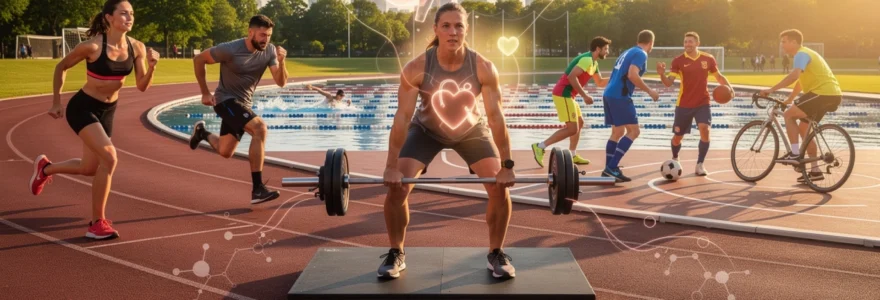
The profound connection between physical activity and mental wellbeing has captivated researchers and athletes alike for decades. Sports represent far more than mere entertainment or physical conditioning; they serve as powerful catalysts for comprehensive health transformation. When you engage in regular sporting activities, your body initiates complex biochemical processes that simultaneously enhance physical performance and psychological resilience. The intricate relationship between movement and mood, strength and confidence, endurance and emotional stability reveals the remarkable capacity of human physiology to heal and strengthen itself through structured physical challenge.
Modern life presents unprecedented levels of stress, sedentary behaviour, and mental health challenges that traditional medical approaches often struggle to address comprehensively. Sports offer a holistic solution that targets multiple aspects of human wellbeing simultaneously, creating synergistic effects that extend far beyond what isolated interventions can achieve. Understanding these mechanisms allows you to harness the full therapeutic potential of athletic participation for both immediate relief and long-term health optimisation.
Neurochemical pathways activated through physical exercise
The human brain responds to physical exertion by activating sophisticated neurochemical cascades that fundamentally alter mood, cognition, and emotional regulation. These biological processes represent your body’s natural pharmacy, producing compounds more potent and targeted than many pharmaceutical interventions. The beauty of exercise-induced neurochemical changes lies in their natural origin and absence of negative side effects commonly associated with synthetic alternatives.
Endorphin release and opioid receptor binding during aerobic activity
Endorphins, often called the body’s natural morphine, bind to opioid receptors in your brain during sustained aerobic activity. This mechanism explains the euphoric sensation commonly experienced during prolonged running, cycling, or swimming sessions. Research demonstrates that endorphin levels can increase by 500% above baseline during intense aerobic exercise, creating powerful analgesic and mood-elevating effects that persist for hours post-exercise.
The endorphin response varies significantly based on exercise intensity and duration. Activities maintaining 70-85% of maximum heart rate for at least 30 minutes typically trigger substantial endorphin release. This explains why many athletes describe breakthrough moments during training when discomfort transforms into exhilaration, marking the physiological shift toward endorphin-mediated pain relief and mood enhancement.
Serotonin and dopamine production in High-Intensity interval training
High-intensity interval training (HIIT) uniquely stimulates both serotonin and dopamine production through distinct physiological pathways. Serotonin synthesis increases by approximately 40% during HIIT sessions, directly improving mood regulation, sleep quality, and emotional stability. Meanwhile, dopamine release during intense exercise bursts creates feelings of accomplishment and motivation that extend well beyond the training session.
The intermittent nature of HIIT protocols mirrors natural reward cycles in the brain, reinforcing positive behavioural patterns and creating sustainable motivation for continued participation. This neurochemical response pattern helps explain why individuals often develop genuine enthusiasm for challenging workouts despite initial reluctance or discomfort.
BDNF (Brain-Derived neurotrophic factor) enhancement through resistance training
Brain-Derived Neurotrophic Factor represents one of the most significant long-term benefits of regular resistance training for mental health. BDNF levels can increase by 200-300% following structured strength training protocols, promoting neuroplasticity, memory consolidation, and cognitive resilience. This protein essentially fertilises brain cells, encouraging new neural connections and protecting existing pathways from age-related decline.
Resistance training’s unique capacity to elevate BDNF distinguishes it from other exercise modalities in terms of cognitive benefits. The mechanical stress placed on muscles during weightlifting or bodyweight exercises triggers cascading hormonal responses that ultimately reach the brain, creating lasting improvements in learning capacity, emotional regulation, and stress resilience.
Cortisol reduction mechanisms in team sports performance
Team sports provide unique cortisol regulation benefits through combined physical exertion and social interaction. While acute exercise temporarily elevates cortisol levels, regular participation in team sports creates adaptive responses that reduce baseline cortisol by 15-25% over time. This
chronic reduction in stress hormone levels contributes to better emotional balance, improved sleep quality, and enhanced immune function. The collaborative nature of sports like football, basketball, or volleyball also buffers psychological stress by distributing performance pressure across the group rather than concentrating it on a single individual. Shared goals, mutual encouragement, and the emotional support of teammates further moderate cortisol responses, creating a protective environment for mental health. Over time, this combination of physiological adaptation and social buffering helps you respond more calmly to everyday challenges outside the sporting arena.
Cardiovascular adaptations and metabolic improvements in athletic training
Consistent involvement in sports triggers profound cardiovascular adaptations that help you feel better physically and mentally. As your heart, lungs, and blood vessels become more efficient, everyday tasks feel easier, and your body experiences less strain during both work and leisure. These improvements in cardiovascular fitness directly support brain function, hormone regulation, and long-term disease prevention. In many ways, building a stronger heart through sport is like upgrading the central engine that powers every other system in your body.
VO2 max enhancement through marathon running and cycling
VO2 max, your maximal oxygen uptake, is widely recognised as one of the best indicators of aerobic fitness and overall cardiovascular health. Endurance sports such as marathon running and road cycling can increase VO2 max by 15–30% within three to six months of structured training. This means your muscles and organs receive more oxygen per heartbeat, reducing fatigue and improving performance in both sport and daily life. As oxygen delivery improves, your brain also benefits, supporting sharper thinking and greater resistance to mental fatigue.
From a practical perspective, incorporating two to four endurance sessions per week, with a mix of steady-state and interval-based efforts, offers an effective way to boost VO2 max. You do not need to run a full marathon to access these benefits; even 20–40 minutes of moderate to vigorous cycling, jogging, or rowing can create meaningful adaptations. Over time, this enhanced aerobic capacity lowers your resting heart rate, improves blood pressure, and reduces the long-term risk of cardiovascular disease. The result is a body that not only performs better during sport but also recovers faster from stress and illness.
Mitochondrial biogenesis in swimming and triathlon training
Swimming and triathlon training are particularly powerful triggers for mitochondrial biogenesis, the process through which your cells create new energy-producing structures. Think of mitochondria as microscopic power plants inside your muscles, converting oxygen and nutrients into usable energy. When you engage in regular open-water swims, interval sets in the pool, or brick sessions combining cycling and running, your body responds by increasing both the number and efficiency of these power plants. Research suggests that well-designed endurance programmes can enhance mitochondrial density by up to 50%, significantly improving stamina and metabolic health.
This cellular upgrade has direct implications for how you feel day to day. Greater mitochondrial capacity reduces the build-up of metabolic by-products that cause fatigue and muscle soreness, allowing you to train harder without feeling drained. It also supports better blood sugar control and fat oxidation, making weight management more sustainable. For individuals juggling work, family, and training commitments, this means more energy throughout the day and a reduced sense of burnout. In essence, by improving your cellular engines through sports like swimming and triathlon, you are investing in a more energised and resilient version of yourself.
Insulin sensitivity optimisation via CrossFit and functional fitness
High-intensity functional training modalities such as CrossFit, circuit training, and bootcamp-style workouts play a crucial role in optimising insulin sensitivity. These sessions typically combine resistance exercises with short bursts of cardio, creating a powerful stimulus for glucose uptake in skeletal muscle. Studies show that such training can improve insulin sensitivity by up to 25% in as little as 8–12 weeks, even in individuals with prediabetes or early-stage metabolic syndrome. By helping your body use insulin more efficiently, these sports-style workouts reduce the risk of type 2 diabetes and stabilise energy levels throughout the day.
Improved insulin sensitivity is not just a metabolic metric; it is a key factor in how steady your energy and mood feel. Fluctuating blood sugar can lead to irritability, brain fog, and cravings that undermine both productivity and mental wellbeing. Functional fitness training smooths these peaks and troughs, giving you a more consistent physical and emotional baseline. You can enhance these benefits by pairing your workouts with balanced nutrition and adequate recovery, creating a comprehensive lifestyle approach to metabolic and mental health.
Cardiac output efficiency in football and rugby performance
Intermittent high-intensity sports like football and rugby challenge the heart in a unique way, alternating between sprints, sudden accelerations, and short recovery phases. This pattern forces the heart to adapt by increasing both stroke volume (the amount of blood pumped per beat) and overall cardiac output. Over time, athletes in these sports often develop what is known as an “athlete’s heart”—a larger, stronger organ capable of pumping more blood with less effort. Enhanced cardiac efficiency translates into lower resting heart rates, faster recovery between efforts, and improved circulation to muscles and the brain.
These cardiovascular adaptations carry substantial mental health benefits. Efficient blood flow supports rapid oxygen delivery to the brain during intense situations, such as making split-second decisions on the pitch or managing pressure in a crucial match. As a result, you are better able to stay calm, focused, and resilient under stress. For recreational players, regular participation in football or rugby sessions two to three times a week can deliver many of the same cardiac benefits observed in elite athletes, without requiring professional-level volumes of training. This makes team-based field sports a practical and enjoyable route to long-term heart health and emotional stability.
Musculoskeletal system strengthening through sport-specific movements
Every sport imposes distinct mechanical demands on your muscles, bones, tendons, and joints, stimulating structural adaptations that make your body stronger and more resilient. Weight-bearing and impact-based sports such as basketball, tennis, and running increase bone mineral density, reducing the risk of osteoporosis and fractures later in life. At the same time, sport-specific movements enhance coordination between muscle groups, improving balance, posture, and functional strength. These physical changes help you move with greater confidence, which in turn supports a more positive self-image and mental outlook.
Musculoskeletal strengthening also plays a crucial role in pain reduction and injury prevention. When you build stronger glutes, core muscles, and stabilisers around your hips and shoulders, you provide better support for vulnerable joints like the knees and lower back. This can alleviate chronic discomfort that might otherwise limit activity and negatively affect mood. Have you ever noticed how persistent pain makes you feel more irritable or pessimistic? By addressing underlying weaknesses through sport, you break this cycle, replacing pain and restriction with mobility and freedom.
Different sports target distinct muscular patterns, so a varied athletic routine can lead to more balanced development. For example, rock climbing enhances grip strength and upper-body pulling power, while dance-based sports improve hip mobility and neuromuscular control. Combining two or three complementary sports across the week reduces overuse injuries and keeps training mentally stimulating. In practical terms, this might mean pairing running with yoga, or football with strength training and swimming, to create a comprehensive musculoskeletal conditioning programme that supports both physical performance and psychological wellbeing.
Cognitive function enhancement via athletic performance
Athletic performance is as much a mental exercise as it is a physical one, continually challenging your brain to process information, make decisions, and adapt to changing conditions. Sports that require rapid reactions, such as table tennis, basketball, or fencing, stimulate neural networks responsible for attention, processing speed, and executive function. Research indicates that regular exercise can improve cognitive performance by 10–20% in areas like working memory, problem-solving, and multitasking. What does this mean for your daily life? You may find it easier to concentrate at work, switch between tasks, and remember important details.
From a neurological perspective, sports enhance cognitive function through increased blood flow, elevated BDNF levels, and improved connectivity between brain regions. Complex movement patterns—such as learning a new gymnastics routine or refining a tennis serve—function like brain training, reinforcing pathways involved in coordination and planning. This is similar to how learning a new language or musical instrument sharpens mental agility, but with the added benefit of cardiovascular and musculoskeletal improvements. Over time, these adaptations help protect against age-related cognitive decline and may reduce the risk of conditions like dementia.
Practical strategies for boosting cognitive health through sport include incorporating skill-based training into each session rather than performing only repetitive drills. For example, you could vary your running routes, add reaction-based drills in football practice, or play small-sided games that demand quick thinking. Even for older adults or beginners, low-impact activities such as tai chi or paddle sports provide a valuable combination of mental focus, coordination, and gentle cardio. By deliberately choosing sports that challenge both your body and mind, you turn each workout into a powerful tool for long-term brain health.
Social psychology and mental resilience development in competitive sports
The social environment of sport plays a pivotal role in building mental resilience and emotional stability. Competing, training, and collaborating with others expose you to both supportive and challenging situations that mirror real-life stressors. Learning to cope with victory and defeat, manage expectations, and communicate under pressure helps shape a more robust psychological profile. In many ways, the sports arena functions as a controlled laboratory where you can safely test and refine your responses to stress, failure, and success.
Social psychology research consistently shows that belonging to a team or community enhances self-esteem, reduces loneliness, and increases life satisfaction. Sports provide a natural context for these bonds to form, as shared goals and regular interaction create a sense of identity and mutual trust. At the same time, the demands of competition teach you to regulate emotions, maintain focus, and bounce back from setbacks. These skills translate directly into other areas of life, from navigating workplace challenges to managing personal relationships more effectively.
Team cohesion building through cricket and basketball dynamics
Cricket and basketball offer rich examples of how team cohesion develops through sport-specific dynamics. In cricket, fielding strategies, batting partnerships, and bowling changes all require coordinated decision-making and clear communication. Basketball, with its high tempo and constant positional shifts, demands instant trust in teammates to execute plays and defensive rotations. Over time, these repeated cooperative interactions foster what psychologists call “collective efficacy”—the shared belief that the team can succeed together.
Strong team cohesion has measurable mental health benefits, including lower perceived stress and higher overall wellbeing among players. When you feel supported by teammates, you are more likely to share concerns, seek help, and remain engaged even during difficult periods. This sense of belonging can be particularly protective for adolescents and young adults, who may otherwise be vulnerable to social isolation. For coaches and captains, intentionally building cohesion through team meetings, honest feedback, and inclusive decision-making can transform a group of individuals into a psychologically resilient unit.
Self-efficacy development in tennis and golf performance
Individual sports such as tennis and golf place responsibility for performance squarely on the athlete, creating a powerful context for self-efficacy development. Every serve, swing, or putt provides immediate feedback on your skills and preparation, encouraging you to take ownership of progress. When you set realistic goals—like improving your first-serve percentage or lowering your handicap—and then achieve them through deliberate practice, your belief in your own capabilities grows. This self-efficacy is a cornerstone of mental resilience, influencing how you approach challenges in all areas of life.
Psychologically, tennis and golf teach you to manage internal dialogue and emotional responses under pressure. Missed shots or unforced errors become opportunities to practise self-compassion and refocus, rather than reasons to give up. Have you ever noticed how quickly negative self-talk can spiral during a bad round or tough match? Learning to interrupt that pattern, reset your mindset, and commit to the next shot is a transferable skill that supports mental health beyond sport. Structured routines, visualisation, and post-performance reflection are practical tools you can use to strengthen self-efficacy through these precision-based sports.
Stress management through martial arts and boxing training
Martial arts and boxing offer highly effective frameworks for stress management, blending intense physical exertion with disciplined mental focus. Training sessions often begin with controlled breathing and technical drills, gradually increasing in intensity to release built-up tension and emotional pressure. This structured outlet allows you to channel frustration, anxiety, or anger into purposeful movement rather than letting these emotions accumulate. Physiologically, the combination of cardiovascular challenge and rhythmic striking activates endorphin release and reduces muscle tension, leaving you calmer and more centred afterward.
Beyond the physical benefits, combat sports emphasise respect, self-control, and mindfulness, all of which contribute to better emotional regulation. Sparring, for example, teaches you to remain composed while under pressure, make decisions quickly, and accept discomfort without panic. This is analogous to facing difficult conversations or high-stakes situations in daily life; the more you practise staying calm in the ring, the easier it becomes to maintain composure elsewhere. Many practitioners report that regular martial arts or boxing training not only lowers their baseline stress levels but also gives them practical tools—such as breathing techniques and grounding exercises—to manage acute anxiety when it arises.
Leadership skills cultivation in rowing and cycling team events
Rowing and team-based cycling events, such as road races and time trials, provide fertile ground for developing leadership skills. In rowing, the coxswain and stroke seat must coordinate rhythm, strategy, and motivation, guiding the crew through changing race conditions. Similarly, in cycling, road captains and domestiques make real-time tactical decisions about pacing, positioning, and when to support or protect key riders. These roles require clear communication, emotional intelligence, and the ability to make confident choices under fatigue and pressure.
As you take on leadership responsibilities within a crew or peloton, you learn to balance your own performance with the needs of the group. This perspective shift—from “How can I win?” to “How can we succeed?”—cultivates empathy, accountability, and strategic thinking. These attributes are invaluable not only in sport but also in professional and personal contexts, from managing teams at work to supporting family members through challenges. Over time, repeated exposure to leadership situations in rowing and cycling strengthens your capacity to handle responsibility without becoming overwhelmed, enhancing both your self-confidence and mental resilience.
Evidence-based research on exercise prescription for mental health disorders
In recent years, a growing body of evidence-based research has confirmed that structured exercise can be as effective as, and sometimes more effective than, traditional treatments for certain mental health disorders. Clinical guidelines from organisations such as the American Psychological Association and the UK’s National Institute for Health and Care Excellence increasingly recommend physical activity as a first-line or adjunct intervention for mild to moderate depression and anxiety. Meta-analyses suggest that regular exercise can reduce depressive symptoms by 30–40%, with similar benefits observed for generalised anxiety. Importantly, these improvements often occur without the side effects associated with some medications.
Different types of sport and exercise appear to offer distinct advantages for specific conditions. For example, aerobic activities such as running and cycling show strong evidence for reducing depressive symptoms, while resistance training has demonstrated notable effects on anxiety reduction and self-esteem. Group-based sports and exercise classes tend to be particularly beneficial for individuals struggling with loneliness or social withdrawal, offering both physiological and social support. When exercise is combined with psychotherapy or pharmacological treatment, outcomes often improve further, suggesting that an integrated approach may be the most effective strategy.
Practical exercise prescription for mental health typically follows a few key principles. Most research supports starting with 150 minutes per week of moderate-intensity activity, or 75 minutes of vigorous exercise, spread across at least three days. For individuals with severe symptoms, beginning with shorter, more manageable sessions—such as 10–15 minutes of walking or low-impact sport—can help build confidence and adherence. Behavioural strategies like scheduling workouts, training with a partner, and tracking progress increase the likelihood of sticking with the programme, which is critical for long-term mental health benefits.
Of course, exercise is not a standalone cure for every mental health condition, and it may not be appropriate as the sole treatment for severe depression, bipolar disorder, or psychosis. In such cases, sports and physical activity should be integrated under the guidance of healthcare professionals as part of a comprehensive care plan. If you are currently receiving treatment, discussing your exercise goals with your doctor or therapist ensures that your sporting activities align with your overall recovery strategy. By grounding your approach in evidence-based guidelines and listening to your body’s feedback, you can harness the full therapeutic potential of sport to support both physical and mental wellbeing.
 Good health cannot be bought, but rather is an asset that you must create and then maintain on a daily basis.