
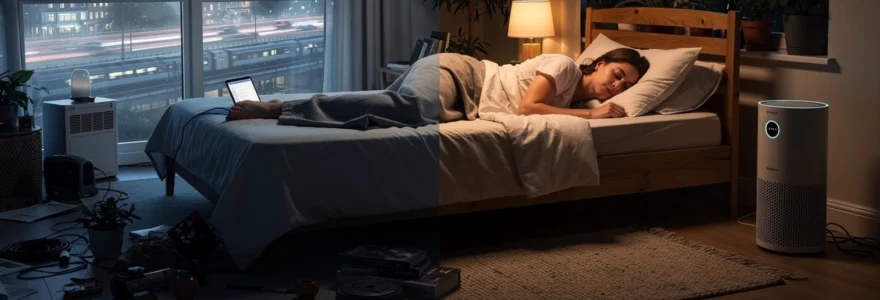
The spaces you inhabit every day exert a profound influence on your physical health, mental clarity, and emotional resilience. From the quality of light streaming through your windows to the unseen chemical compounds released by furniture, your surroundings continuously interact with your body’s regulatory systems. These environmental factors don’t simply affect how you feel in the moment—they accumulate over time, shaping your long-term health trajectories in ways that often go unnoticed until significant changes occur. Understanding these environmental influences empowers you to make informed decisions about the spaces where you spend most of your time, whether at home, work, or elsewhere.
Modern research in environmental psychology, neuroscience, and public health has revealed that seemingly minor aspects of our surroundings can trigger measurable physiological responses. Your nervous system continuously scans environmental cues, interpreting them as signals of safety or potential threat. This ancient survival mechanism, while essential for our ancestors, now responds to the complex stimuli of contemporary living environments in ways that can either support or undermine your wellbeing. The good news is that with evidence-based knowledge, you can deliberately design environments that promote optimal health outcomes.
Circadian rhythm disruption through artificial light exposure and sleep architecture
The relationship between light exposure and your body’s internal timing mechanisms represents one of the most significant environmental factors affecting long-term health. Your circadian rhythm—the approximately 24-hour biological clock governing sleep, hormone release, body temperature, and numerous metabolic processes—depends critically on environmental light cues to maintain proper alignment with the solar day. When this synchronization falters due to inappropriate light exposure patterns, the consequences extend far beyond simple tiredness, potentially affecting metabolic health, immune function, and cognitive performance over extended periods.
Blue light wavelength effects on melatonin suppression and cortisol regulation
Specific wavelengths of light exert disproportionate influence on your circadian system. Blue light, with wavelengths between 450-480 nanometres, proves particularly potent at suppressing melatonin production—the hormone that signals your body to prepare for sleep. Exposure to blue-enriched light from electronic devices, LED bulbs, and fluorescent lighting during evening hours can delay melatonin onset by up to three hours in some individuals. This suppression doesn’t merely postpone sleep; it fundamentally alters your hormonal landscape, affecting cortisol rhythms that should naturally decline in the evening and rise upon waking.
Research demonstrates that even relatively dim blue light exposure (as low as 30 lux) can significantly suppress melatonin when administered during the biological night. For context, typical smartphone screens emit between 40-400 lux depending on brightness settings. The impact extends beyond sleep timing—chronic evening blue light exposure has been associated with increased insulin resistance, elevated evening cortisol levels, and disrupted glucose metabolism. These physiological changes explain why shift workers and individuals with irregular light exposure patterns face elevated risks for metabolic syndrome, cardiovascular disease, and certain cancers.
Sleep fragmentation patterns in urban versus rural environmental settings
Your sleeping environment profoundly influences sleep architecture—the cyclical progression through different sleep stages throughout the night. Urban environments typically expose residents to significantly higher levels of nocturnal light pollution, ambient noise, and electromagnetic fields compared to rural settings. Studies measuring sleep quality across different residential environments reveal that urban dwellers experience more frequent sleep stage transitions, reduced slow-wave sleep duration, and decreased overall sleep efficiency. These differences accumulate over time, contributing to the higher rates of sleep disorders observed in metropolitan populations.
Light pollution from street lamps, commercial signage, and neighbouring properties creates an artificially extended “biological twilight” that your brain interprets as extended daytime. Even when curtains are drawn, light infiltration can reach levels sufficient to suppress melatonin production and fragment sleep. Rural environments, by contrast, typically provide the complete darkness that supports optimal melatonin secretion and uninterrupted sleep cycles. This distinction matters enormously for long-term health outcomes, as chronic sleep fragmentation has been linked to accelerated cognitive decline, increased systemic inflammation, and compromised immune surveillance.
Chronotype misalignment: social jet lag and metabolic syndrome correlations
Your chronotype—your natural preference for sleep and wake times—
describes where on the spectrum from “morning lark” to “night owl” you naturally fall. Problems emerge when your social obligations—work start times, school schedules, or late-night socialising—chronically conflict with this internal timing. This mismatch, often termed social jet lag, produces a pattern where your biological clock is perpetually out of sync with your alarm clock. Large-scale epidemiological studies have linked higher levels of social jet lag with increased waist circumference, higher body mass index, elevated triglycerides, and impaired insulin sensitivity, all core components of metabolic syndrome.
Unlike travel-related jet lag, which typically resolves once you acclimate to a new time zone, social jet lag repeats week after week. Many people shift their sleep schedule later on weekends to “catch up,” then abruptly force an earlier schedule on Monday, effectively flying several time zones without leaving their city. This constant circadian tug-of-war stresses metabolic systems that rely on predictable timing signals, including meal timing, hormone pulses, and temperature cycles. Reducing social jet lag—by standardising wake times across the week, dimming lights earlier in the evening, and aligning demanding tasks with your chronotype—can meaningfully improve long-term metabolic resilience.
Light pollution metrics and their impact on REM sleep cycles
Beyond individual device use, the broader phenomenon of light pollution exerts a measurable impact on sleep architecture, especially on rapid eye movement (REM) sleep. Researchers quantify outdoor light pollution using metrics like sky brightness in magnitudes per square arcsecond and ground-level illuminance in lux. Urban night-time illuminance can exceed 30 lux at the bedroom window, compared with less than 1 lux in rural regions. Even modest increases in bedroom light levels—from 5 to 10 lux—have been associated with reduced REM duration and increased REM latency, meaning it takes longer to enter this crucial stage of sleep.
REM sleep plays a central role in emotional regulation, memory consolidation, and creative problem-solving. When nocturnal light exposure repeatedly truncates REM cycles, the effects may not be obvious after a single night but accumulate over months and years as subtle mood changes, impaired emotional resilience, and difficulties integrating new learning. Practical interventions include installing blackout shades, using low-lux, warm-colour night lights when necessary, and positioning beds away from direct light sources. By treating darkness as a deliberate environmental resource rather than an incidental condition, you support healthier REM patterns and, over time, more stable mental health.
Neurotoxic environmental stressors: particulate matter and volatile organic compounds
While light and noise are obvious environmental inputs, many neurotoxic stressors operate invisibly through the air you breathe each day. Fine particulate matter and volatile organic compounds (VOCs) represent two of the most consequential categories for long-term brain health. These substances can penetrate deep into the respiratory system, enter systemic circulation, and in some cases cross the blood-brain barrier. Emerging evidence connects chronic exposure not only to respiratory and cardiovascular conditions but also to cognitive decline, mood disorders, and neurodegenerative disease risk.
Unlike acute toxic exposures, the everyday levels of particulate matter and VOCs encountered in homes, offices, and urban streets rarely cause immediate symptoms. Instead, they act like a slow, background “rust” on neural integrity, subtly altering inflammatory pathways, oxidative stress balances, and synaptic function. Understanding the specific thresholds and common sources of these pollutants enables you to take targeted steps—such as ventilation strategies, material choices, and filtration—to reduce cumulative neurological burden.
PM2.5 exposure thresholds and cognitive decline acceleration
Particulate matter smaller than 2.5 micrometres in diameter, termed PM2.5, is small enough to bypass many of the respiratory system’s natural filters. These particles can lodge deep in the alveoli, enter the bloodstream, and reach distant organs, including the brain. Longitudinal studies have shown that individuals living in areas with higher average PM2.5 concentrations experience faster rates of cognitive decline and are at increased risk for dementia, even when exposures fall within regulatory limits considered “safe” for pulmonary health. For example, each 5 µg/m³ increase in long-term PM2.5 exposure has been associated with measurable reductions in global cognition scores in older adults.
From a practical perspective, this means that the air quality of your neighbourhood—and not only your lifestyle habits—plays a role in your long-term cognitive trajectory. Daily exposure builds up much like interest in a bank account, except in this case the “interest” erodes neural resilience rather than growing it. Monitoring local air quality indices, adjusting outdoor activity patterns on high-pollution days, and prioritising cleaner commuting routes where possible are all strategies that can modestly reduce cumulative PM2.5 burden. Indoors, where many people assume they are protected, certain activities like cooking without adequate ventilation can temporarily elevate PM2.5 to levels higher than those found beside busy roads.
Indoor air quality parameters: formaldehyde and benzene off-gassing from household materials
Indoor environments introduce another set of neurotoxic stressors through VOCs emitted by building materials, furnishings, cleaning products, and personal care items. Formaldehyde and benzene are two widely studied compounds that commonly off-gas from pressed-wood furniture, flooring adhesives, paints, and some synthetic textiles. At high concentrations, both are recognised carcinogens, but even at lower, chronic levels, they have been associated with headaches, fatigue, impaired concentration, and mood disturbances—symptoms often misattributed solely to stress or overwork.
Off-gassing follows a temporal pattern: new products tend to emit higher concentrations that gradually decline, yet poorly ventilated spaces can accumulate VOCs to levels that exceed recommended indoor air quality guidelines. This is particularly relevant in energy-efficient buildings that are tightly sealed to reduce heating and cooling losses, inadvertently trapping chemical emissions. Simple steps like airing out new furniture before bringing it indoors, choosing low-VOC paints and finishes, and increasing natural or mechanical ventilation during and after renovation projects can significantly lower ongoing exposure to these neuroactive compounds.
Neuroinflammation pathways triggered by chronic environmental toxin exposure
How do airborne pollutants translate into changes in brain function over time? A key mechanism involves neuroinflammation—the activation of immune cells within the central nervous system, particularly microglia and astrocytes. Chronic exposure to PM2.5 and certain VOCs has been shown to trigger systemic inflammation, increasing circulating cytokines that can cross the blood-brain barrier or alter its permeability. Once within the brain’s microenvironment, these inflammatory signals can impair synaptic plasticity, disrupt neurotransmitter balance, and promote the accumulation of misfolded proteins implicated in neurodegenerative diseases.
You can think of neuroinflammation as an overactive neighbourhood watch system: designed to respond to acute threats, it becomes problematic when low-level alerts never cease. Over years, this persistent activation contributes to a subtle but meaningful erosion of cognitive reserve, making the brain more vulnerable to age-related changes and acute insults like head injury or severe infection. Although you cannot eliminate all environmental toxins, reducing exposures where possible—combined with lifestyle practices that support systemic anti-inflammatory balance, such as regular movement, adequate sleep, and nutrient-dense diets—can help maintain a more favourable neuroimmune environment.
HEPA filtration systems and activated carbon: evidence-based air purification strategies
Given the ubiquity of airborne pollutants, strategic air purification represents a practical intervention to improve daily environmental quality. High-efficiency particulate air (HEPA) filters are specifically designed to capture at least 99.97% of particles as small as 0.3 micrometres, effectively reducing indoor concentrations of PM2.5, allergens, and some biological contaminants. Randomised controlled trials in homes near major roads have shown that using portable HEPA purifiers can lower indoor PM2.5 levels by 40–60%, with corresponding improvements in vascular function and markers of systemic inflammation after only a few weeks of use.
For gaseous pollutants like VOCs, including benzene and formaldehyde, HEPA filtration alone is not sufficient. Activated carbon filters, which adsorb molecules onto a highly porous surface, complement HEPA units by targeting these smaller compounds. When selecting an air purifier, look for devices that combine true HEPA filtration with a substantial activated carbon component and are appropriately sized for your room. Regular filter replacement is essential to maintain efficacy; a saturated carbon filter, for instance, no longer adsorbs VOCs and can even re-release them. Combined with source control and adequate ventilation, these technologies transform your indoor air from a passive risk factor into an actively managed element of long-term brain health.
Acoustic environment: noise pollution and hypothalamic-pituitary-adrenal axis dysregulation
The sounds that surround you each day provide a continuous stream of input to your nervous system, often outside conscious awareness. While your mind may “tune out” traffic noise, aircraft, or a neighbour’s television, your body still registers sound as potential threat information. This constant auditory surveillance relies heavily on the hypothalamic-pituitary-adrenal (HPA) axis, the core neuroendocrine system that orchestrates stress responses. Chronic noise pollution keeps this axis on a low but persistent simmer, subtly altering cortisol secretion patterns, sleep architecture, and cardiovascular regulation.
Unlike a single loud event, which may startle you but then resolve, everyday environmental noise acts more like a dripping tap—individually minor, but cumulatively draining. Over years, sustained HPA activation from noise exposure has been linked to hypertension, increased risk of myocardial infarction, and higher rates of anxiety and depressive symptoms. Understanding the decibel levels at which these effects emerge, and the specific characteristics of problematic sound, helps you design quieter, more restorative acoustic environments at home and work.
Decibel thresholds for chronic stress response activation in residential settings
Sound intensity is measured in decibels (dB), and the human stress response begins to activate at lower thresholds than many people realise. Epidemiological research suggests that chronic exposure to average night-time noise levels above 40–45 dB—typical near busy roads or under flight paths—is associated with increased use of sleep medication, more frequent awakenings, and elevated cardiovascular risk. For context, a quiet bedroom in a rural setting may measure around 30 dB, while urban apartments can sustain 50 dB or more throughout the night.
Importantly, it is not only peak noise events that matter but also the variability and predictability of sound. Repeated noise peaks, such as passing trains or aircraft, trigger micro-arousals and spikes in heart rate and blood pressure, even when sleepers do not fully awaken. Over time, this pattern can shift your baseline autonomic balance toward sympathetic dominance—the “fight or flight” mode—making it harder to relax and recover fully. Interventions like double-glazed windows, heavy curtains, sealing gaps around doors, or using white noise machines to mask intermittent sounds can help reduce the physiological impact of unavoidable environmental noise.
Low-frequency noise and cardiovascular disease risk factors
Not all noise is perceived equally by the human ear, and low-frequency sound—such as that produced by industrial equipment, distant traffic, or some ventilation systems—poses particular challenges. These lower pitches can travel long distances, penetrate building materials more readily, and may be sensed more as vibration than as distinct sound. Studies of populations living near wind turbines, major highways, and certain industrial sites have documented associations between chronic low-frequency noise exposure and increased blood pressure, higher resting heart rate, and disturbances in heart rate variability, a key marker of autonomic nervous system balance.
Because low-frequency noise often sits just below conscious perception, individuals may struggle to identify it as a source of discomfort, instead reporting nonspecific symptoms like irritability, fatigue, or difficulty concentrating. From a physiological standpoint, however, the body is still responding as if subtle but persistent threats are present in the environment. Addressing low-frequency noise may require structural interventions—such as decoupling walls, adding mass-loaded vinyl barriers, or altering the placement of mechanical systems—as traditional soundproofing aimed at higher frequencies is less effective. Where structural changes are not feasible, redistributing activities within a space, such as moving beds away from shared walls or noisy appliances, can still yield meaningful improvements.
Soundscaping principles: biophilic audio design for parasympathetic nervous system activation
While much attention focuses on reducing harmful noise, you can also proactively shape your acoustic environment to support calm and recovery. This approach, often described as soundscaping, draws on principles similar to biophilic design by integrating natural, soothing sound elements that encourage parasympathetic nervous system activation. Research has shown that listening to recordings of flowing water, gentle rain, or birdsong can lower heart rate, reduce self-reported stress, and shift brainwave patterns toward more relaxed states.
In practical terms, soundscaping might involve positioning a small indoor fountain in a workspace, using curated playlists of natural sounds during evening wind-down routines, or simply opening a window to admit outdoor nature sounds when conditions allow. The goal is not to eliminate all urban noise—a nearly impossible task in many settings—but to tip the balance of auditory input toward signals of safety and tranquillity. Over time, these recurring cues help retrain your nervous system to spend more time in restorative modes, counterbalancing the sympathetic arousal that modern environments so often provoke.
Spatial design psychology: environmental architecture and dopaminergic reward pathways
The physical layout and aesthetic qualities of your surroundings exert powerful psychological effects that extend into neural reward circuits. The dopaminergic system, often discussed in the context of motivation and habit formation, also responds to environmental cues such as novelty, coherence, and perceived control over space. Well-designed environments can make everyday healthy behaviours—like moving more, focusing deeply, or taking short restorative breaks—feel easier and more rewarding, while poorly designed spaces foster friction, distraction, and low-grade frustration.
Spatial design psychology bridges architecture, interior design, and cognitive neuroscience to understand how factors like natural materials, ceiling height, colour temperature, and sightlines influence mood and cognition. Rather than treating design elements as purely aesthetic choices, this perspective recognises them as tools for shaping daily experiences at the level of brain chemistry. By aligning your built environment with your nervous system’s preferences, you effectively “program” your space to nudge you toward well-being-supportive behaviours.
Biophilic design elements: natural material integration and stress hormone reduction
Biophilic design incorporates features that reference or replicate aspects of the natural world, such as wood, stone, water, plants, and organic patterns. Numerous studies have shown that environments rich in biophilic elements are associated with lower levels of perceived stress, reduced cortisol, and improved mood compared with more sterile, synthetic spaces. For instance, office workers with views of greenery and access to indoor plants report fewer stress-related complaints and take fewer sick days than those in visually barren environments.
From a dopaminergic perspective, biophilic cues provide a subtle but continuous stream of positive sensory input, much like a gentle background score that keeps your brain engaged without overwhelming it. Practical implementations range from using real wood finishes and natural textiles to incorporating potted plants or living walls, and maximising exposure to natural light. Even photographs or artwork depicting nature scenes can confer benefits when direct access is limited. The key is to create a coherent, nature-referencing visual language throughout your space so that your nervous system consistently receives signals associated with safety, abundance, and recovery.
Ceiling height and spatial volume effects on creative cognition
Surprisingly specific architectural features, such as ceiling height and perceived spatial volume, also influence cognitive processes. Experiments have found that higher ceilings—typically around 3 metres or more—are associated with increased performance on tasks requiring abstract thinking, creative problem-solving, and relational processing. In contrast, lower ceilings may support more detail-oriented, focused work by fostering a sense of enclosure and reduced distraction. These effects appear to relate to how spatial constraints subtly prime your conceptual “framing” of problems: expansive space encourages expansive thinking.
Most of us cannot modify our ceiling heights, but we can manipulate perceived volume through design choices. Light wall colours, vertical lines in décor, and uncluttered upper wall space can make a room feel taller and more open, supporting brainstorming and big-picture planning. Conversely, creating more intimate nooks with lower-hanging lighting, bookshelves, or canopies can foster concentration and psychological safety for tasks requiring precision. By deliberately matching spatial qualities to the type of cognition you want to encourage in different zones, you turn your home or office into a cognitive toolkit rather than a one-size-fits-all container.
Colour temperature psychology: kelvin ratings and mood state modulation
Light quality is not only about brightness and timing; its colour temperature also shapes how you feel and function in a space. Measured in Kelvin (K), lower colour temperatures (around 2700–3000 K) produce warm, yellowish light reminiscent of sunrise or candlelight, while higher temperatures (4000–6500 K) generate cooler, bluish light similar to midday sun. Research indicates that cooler, higher-K lighting tends to enhance alertness, reaction time, and productivity during daytime tasks, whereas warmer, lower-K lighting supports relaxation and prepares the body for sleep in the evening.
Aligning your artificial lighting strategy with your circadian rhythm and activity patterns can significantly impact long-term well-being. For example, using higher colour temperature lighting in your workspace during morning and early afternoon can help reinforce wakefulness and focus, while gradually shifting to warmer lamps in living areas as evening approaches signals your nervous system to wind down. Many modern smart bulbs allow you to adjust colour temperature throughout the day, effectively simulating natural light shifts indoors. Think of Kelvin ratings as an emotional “thermostat” for your space: fine-tuning them allows you to dial in the psychological climate most conducive to your goals at any given time.
Prospect-refuge theory application in residential interior configuration
Prospect-refuge theory, originating in environmental psychology, posits that humans feel safest and most at ease in spaces that balance open views (prospect) with places to withdraw and feel protected (refuge). This preference likely reflects evolutionary pressures: our ancestors needed both the ability to scan for opportunities and threats and the capacity to shelter from them. Indoors, environments that provide clear lines of sight across a room or out a window, combined with seating areas backed by solid walls or high-backed furniture, tend to feel intuitively comfortable and supportive.
Applying prospect-refuge principles in your home or office might involve arranging desks so that you face into the room or toward a window while having a wall or partition behind you, rather than sitting with your back to a door or open space. Reading corners or meditation areas can be designed as refuges, using alcoves, screens, or canopies to create a gentle sense of enclosure without becoming claustrophobic. When you align your interior layout with these deep-seated spatial preferences, everyday activities like working, relaxing, or socialising demand less subconscious vigilance, freeing up mental resources for focus, creativity, and connection.
Social environmental factors: proxemics and interpersonal neurobiology
The social dimension of your daily environment—how close people stand to you, how spaces facilitate or hinder interaction, and how often you encounter familiar faces—has powerful effects on your nervous system. Proxemics, the study of personal space and physical distance in social interactions, reveals that humans have fairly consistent comfort zones for intimate, personal, social, and public distances. When these boundaries are repeatedly violated, as in overcrowded transport or densely packed open-plan offices, your brain registers chronic, low-level threat, activating stress circuits even if no overt conflict occurs.
Interpersonal neurobiology explores how our brains and bodies co-regulate through social contact. Eye contact, facial expressions, tone of voice, and even the synchrony of breathing patterns during conversation influence neural networks responsible for emotion regulation and sense of safety. Environments that support regular, positive micro-interactions—like brief chats with neighbours, shared meals, or collaborative workspaces with options for privacy—help stabilise mood, buffer stress responses, and reinforce a sense of belonging. In contrast, spatial designs that isolate people or force constant unwanted contact can erode these protective effects.
Designing your social environment with proxemics in mind means offering a spectrum of interaction zones. In the home, this might involve creating communal areas that comfortably accommodate group gatherings alongside private spaces where each person can retreat without intrusion. At work, providing quiet rooms or phone booths, as well as thoughtfully arranged collaboration spaces, allows individuals to choose the level of social exposure that matches their needs throughout the day. By respecting personal space while still fostering connection, you create conditions under which interpersonal neurobiological mechanisms can operate optimally, supporting long-term psychological resilience.
Thermal comfort zones and thermoregulatory impact on sleep quality metrics
Temperature is another often-overlooked environmental variable that exerts strong influence on your body’s regulatory systems, particularly during sleep. Human thermoregulation follows a circadian pattern, with core body temperature naturally dropping in the evening and reaching its lowest point in the early morning hours. Sleep onset and maintenance are tightly linked to this cooling process. When your bedroom environment is too warm or too cold relative to your thermal comfort zone, your body must work harder to regulate temperature, leading to longer sleep onset latency, more awakenings, and reduced time in deep sleep stages.
Research suggests that the optimal bedroom temperature for most adults falls between 16–19°C (60–67°F), though individual preferences vary slightly. Maintaining this range supports the natural decline in core temperature that signals the brain to transition into sleep. Overly warm environments are particularly disruptive, increasing the likelihood of sweating, restlessness, and shallow sleep, which over years can contribute to elevated blood pressure, impaired glucose tolerance, and mood disturbances. Simple environmental adjustments—such as using breathable bedding materials, layering blankets for easy adjustment, and employing fans or programmable thermostats—can meaningfully improve sleep quality metrics like sleep efficiency and time spent in slow-wave and REM sleep.
Beyond nighttime conditions, your daytime thermal environment also influences cognitive performance and comfort. Office temperatures that are even a few degrees outside an individual’s comfort zone have been associated with reduced typing accuracy, slower reaction times, and increased error rates—a reminder that climate control is not merely a luxury but a factor in daily productivity and long-term well-being. By paying attention to how you feel at different temperatures and adjusting your environment accordingly, you harness thermoregulation as another lever for optimising your daily environment in support of your long-term health.
 Good health cannot be bought, but rather is an asset that you must create and then maintain on a daily basis.