
# Why Early Detection Plays a Crucial Role in Long-Term Health Outcomes
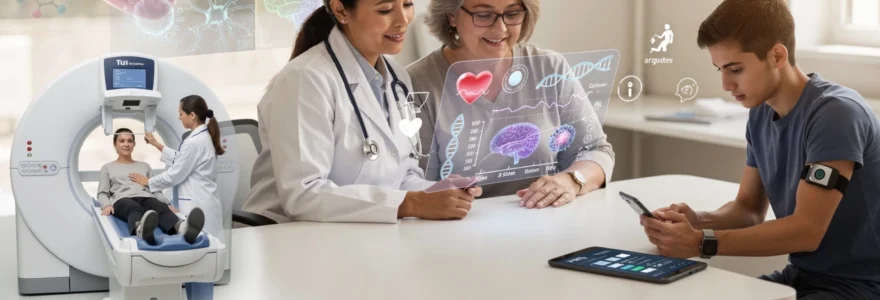
Modern medicine has witnessed remarkable progress in disease treatment, yet the most significant factor determining patient outcomes remains surprisingly simple: timing. The interval between disease onset and diagnosis can mean the difference between a straightforward intervention and complex, life-altering treatment protocols. Across oncology, cardiology, endocrinology, and neurology, evidence consistently demonstrates that identifying pathological changes before clinical symptoms manifest dramatically improves survival rates, reduces morbidity, and enhances quality of life. Recent advances in diagnostic technology, from molecular biomarker analysis to artificial intelligence-powered imaging interpretation, have expanded the window of opportunity for intervention. Understanding the mechanisms through which early detection influences health trajectories is essential for both healthcare professionals and individuals seeking to optimise their long-term wellbeing.
Screening programmes and diagnostic technologies that enable early disease identification
Contemporary healthcare systems have developed sophisticated screening frameworks designed to detect pathological changes before they produce recognisable symptoms. These programmes represent the frontline defence against diseases that would otherwise progress silently until reaching advanced, difficult-to-treat stages. The effectiveness of screening initiatives depends on selecting appropriate technologies, identifying at-risk populations, and ensuring accessibility across demographic groups.
Mammography and Low-Dose CT scanning for cancer detection
Breast cancer screening through mammography has transformed outcomes for millions of women worldwide. Digital mammography can identify microcalcifications and tissue abnormalities measuring just millimetres in diameter, often years before palpable lumps develop. Recent data from the UK National Health Service indicates that women diagnosed through screening programmes have a 98% five-year survival rate when cancer is detected at stage one, compared to just 27% when diagnosis occurs at stage four. This dramatic differential underscores the life-saving potential of regular screening adherence.
Similarly, low-dose computed tomography (LDCT) has revolutionised lung cancer detection among high-risk populations. The National Lung Screening Trial demonstrated that LDCT reduces lung cancer mortality by approximately 20% compared to standard chest radiography. Targeted screening programmes now invite individuals aged 55-74 with significant smoking histories for annual scans, identifying three-quarters of lung cancers at early, surgically resectable stages. Artificial intelligence algorithms now assist radiologists in interpreting these scans, achieving 94% accuracy in detecting stage one lesions that might otherwise be overlooked.
Genetic testing and biomarker analysis in predicting hereditary conditions
The genomic revolution has introduced predictive medicine capabilities that were unimaginable a generation ago. Genetic testing can identify mutations in genes such as BRCA1, BRCA2, and Lynch syndrome markers that substantially elevate cancer risk. Individuals carrying these mutations can pursue enhanced surveillance protocols, prophylactic interventions, or lifestyle modifications that mitigate their inherited susceptibility. Beyond oncology, genetic panels now screen for hereditary cardiomyopathies, familial hypercholesterolaemia, and numerous metabolic disorders.
Biomarker analysis extends this predictive capacity to non-hereditary conditions. Circulating tumour DNA, prostate-specific antigen, and cancer antigen 125 provide quantifiable indicators of disease presence or progression risk. Multi-cancer early detection blood tests, such as those analysing cell-free DNA methylation patterns, can simultaneously screen for over fifty cancer types with a single blood draw. These technologies exemplify how molecular diagnostics are fundamentally changing disease detection paradigms.
Continuous glucose monitoring systems for Pre-Diabetic states
Traditional point-in-time glucose measurements provide limited insight into glycaemic variability and postprandial spikes that characterise pre-diabetic states. Continuous glucose monitoring (CGM) systems address this limitation by tracking interstitial glucose levels every few minutes throughout the day. This granular data reveals patterns invisible to conventional testing, enabling identification of individuals at risk of progressing to type 2 diabetes before haemoglobin A1c levels cross diagnostic thresholds.
Early identification of dysglycaemia creates an intervention window during which lifestyle modifications—dietary adjustments, increased physical activity, weight reduction—can prevent or substantially delay diabetes onset. Research demonstrates
that individuals who engage with CGM-guided lifestyle programmes can reduce their risk of progressing from pre-diabetes to diabetes by up to 58%, rivaling or exceeding the effect of some pharmacological interventions. For many people, seeing real-time feedback on how specific foods, sleep patterns, or exercise sessions affect glucose levels is a powerful behavioural motivator. In this way, CGM not only supports early disease detection but also acts as a personalised coaching tool, bridging the gap between awareness and action.
Advanced imaging modalities: MRI, PET scans and molecular diagnostics
Magnetic resonance imaging (MRI) and positron emission tomography (PET) scans offer unparalleled insight into structural and functional changes long before disease becomes clinically apparent. High-resolution MRI can reveal demyelinating lesions in multiple sclerosis, subtle hippocampal atrophy in early Alzheimer’s disease, or microinfarcts in cerebrovascular disease, often years before significant disability occurs. PET imaging, particularly when combined with CT or MRI, detects metabolic activity and receptor expression patterns that signal malignancy, neurodegeneration, or inflammatory processes at their earliest stages.
Molecular diagnostics have further extended these capabilities by targeting disease at the biochemical level. Techniques such as positron emission tomography using amyloid or tau tracers allow clinicians to visualise pathological protein accumulation in the brain, helping to identify Alzheimer’s pathology in its preclinical phase. Similarly, fluorodeoxyglucose (FDG) PET can detect hypermetabolic cancer cells or inflamed vascular plaques long before structural damage becomes obvious. When integrated with genomic and biomarker data, these imaging modalities create a multi-layered picture of health, enabling clinicians to intervene at the most opportune moment.
Pathophysiology of disease progression without timely intervention
To appreciate why early detection is so powerful, it helps to understand what happens when disease progresses unchecked. Pathological processes rarely remain static; they tend to accelerate over time, engaging multiple biological pathways and causing cumulative damage. Whether we are dealing with cancer, cardiovascular disease, metabolic disorders, or neurodegeneration, delayed diagnosis allows these processes to advance from reversible physiological changes to irreversible structural damage.
Cellular metastasis and tumour stage migration in oncology
In oncology, the concept of tumour staging reflects how far malignant cells have spread from their point of origin. Early-stage cancers are typically confined to the primary organ and may be limited to superficial layers of tissue. Without timely detection, cancer cells accumulate mutations, invade surrounding structures, and eventually enter lymphatic channels or blood vessels. This process of metastasis enables malignant cells to colonise distant organs, transforming a localised, potentially curable disease into a systemic, life-threatening condition.
Stage migration—the shift from stage I or II to stage III or IV disease—has profound implications for prognosis and treatment complexity. A small breast tumour confined to the ductal system might be effectively managed with lumpectomy and limited radiotherapy. The same tumour, once metastatic, often requires prolonged systemic chemotherapy, targeted therapy, or immunotherapy with significantly lower chances of long-term remission. Early detection effectively interrupts this trajectory, capturing cancer before the metastatic cascade gains momentum.
Atherosclerotic plaque formation and cardiovascular event cascades
Atherosclerosis begins silently, often in early adulthood, with the accumulation of lipid-laden foam cells within arterial walls. Over time, these fatty streaks evolve into fibrous plaques consisting of cholesterol, inflammatory cells, and connective tissue. If hypertension, hyperlipidaemia, and smoking remain unaddressed, plaques enlarge, arterial lumens narrow, and blood flow to vital organs becomes compromised. Critically, unstable plaques with thin fibrous caps are prone to rupture, triggering clot formation that can abruptly occlude coronary or cerebral arteries.
This sequence—from subclinical plaque to heart attack or stroke—illustrates why relying solely on symptoms can be dangerous. Angina, breathlessness, or transient ischaemic attacks usually appear late in the disease process, when plaque burden is considerable. Early detection of elevated blood pressure, dyslipidaemia, and subclinical atherosclerosis through risk scoring and imaging (such as coronary calcium scoring) allows clinicians to intervene before the “event cascade” is set in motion. It is akin to reinforcing a dam when cracks first appear, rather than waiting for catastrophic failure.
Nephropathy development in uncontrolled metabolic disorders
Chronic kidney disease (CKD) often develops insidiously in the context of uncontrolled diabetes and hypertension. Persistent hyperglycaemia damages glomerular capillaries, leading to thickening of the basement membrane, mesangial expansion, and ultimately glomerulosclerosis. Initially, this may present only as microalbuminuria—small amounts of protein leaking into the urine that are detectable only with specialised tests. Without timely intervention, proteinuria increases, filtration declines, and patients progress through CKD stages towards end-stage renal disease requiring dialysis or transplantation.
Hypertension compounds this damage by subjecting delicate renal vessels to sustained high pressure, accelerating structural changes. Early detection of microalbuminuria and declining estimated glomerular filtration rate (eGFR) creates a crucial therapeutic window. Interventions such as renin–angiotensin–aldosterone system (RAAS) blockade, tight glycaemic control, and blood pressure optimisation can slow or even halt progression. Once kidneys have suffered extensive scarring, however, much of the functional loss is irreversible, highlighting again why early identification is essential.
Neurodegenerative cascade in alzheimer’s and parkinson’s disease
Neurodegenerative diseases such as Alzheimer’s and Parkinson’s follow long, pre-symptomatic trajectories. In Alzheimer’s disease, abnormal deposition of amyloid-beta and tau proteins begins years, if not decades, before memory problems arise. These proteins disrupt synaptic function, provoke neuroinflammation, and eventually cause widespread neuronal loss, particularly in regions responsible for memory and executive function. By the time clinical dementia becomes evident, extensive cortical damage has already occurred, limiting the impact of available therapies.
Parkinson’s disease follows a similar pattern, with progressive degeneration of dopaminergic neurons in the substantia nigra. Early non-motor symptoms—such as loss of smell, constipation, or subtle sleep disturbances—often go unrecognised. Once motor symptoms like tremor and rigidity appear, significant neuronal loss has already taken place. Early detection through biomarkers, imaging, and careful clinical assessment offers the possibility of initiating neuroprotective strategies at a stage when more neurons can be preserved, analogous to extinguishing a small fire before it engulfs the entire building.
Clinical evidence linking early detection to survival rates and morbidity reduction
While the biological rationale for early detection is compelling, clinical evidence provides the quantitative proof. Large population-based studies and long-term cohorts consistently show that diagnosing disease at an early stage translates into higher survival rates, fewer complications, and improved functional outcomes. These data inform screening guidelines and risk stratification tools used in everyday practice.
Five-year survival statistics in stage I versus stage IV malignancies
Cancer outcomes illustrate the impact of early diagnosis with striking clarity. In England, five-year survival for stage I breast cancer exceeds 98%, whereas stage IV survival falls below 30%. For colorectal cancer, approximately 90% of patients diagnosed at the earliest stage survive five years or more, compared with around 11% for those diagnosed at the most advanced stage. Lung cancer, traditionally associated with poor prognosis, now shows more than 60% five-year survival at stage I, but less than 10% at stage IV.
These stage-dependent survival gradients are not confined to a single cancer type; they are a consistent pattern across malignancies. Early-stage disease often allows complete surgical resection, limited radiotherapy, or focused ablative techniques, while advanced disease demands systemic chemotherapy, targeted therapy, and palliative interventions. For patients, this means that the timing of detection not only influences how long they live, but also how they live—affecting side-effect burden, treatment intensity, and quality of life.
Framingham heart study data on preventative cardiology interventions
The Framingham Heart Study, one of the longest-running cardiovascular cohorts, has been instrumental in demonstrating the value of early risk detection. By tracking generations of participants over decades, Framingham researchers identified key modifiable risk factors—hypertension, high LDL cholesterol, smoking, and diabetes—and quantified how each contributes to heart attack and stroke risk. Importantly, they also showed that reducing these risk factors through early intervention markedly lowers event rates.
For example, sustained blood pressure control in hypertensive individuals can reduce stroke risk by up to 40% and myocardial infarction risk by around 20–25%. Lowering LDL cholesterol with statins in high-risk patients decreases major cardiovascular events by roughly 25–35%. These benefits are most pronounced when treatment begins before structural heart damage, such as left ventricular hypertrophy or heart failure, has developed. In other words, identifying elevated risk early—often before any symptoms—creates an opportunity to change the disease trajectory.
Diabetic retinopathy prevention through regular HbA1c monitoring
Diabetic retinopathy is a leading cause of vision loss in working-age adults, yet it is largely preventable with early detection and good glycaemic control. Regular monitoring of haemoglobin A1c (HbA1c) provides an integrated measure of average blood glucose over two to three months, enabling clinicians to detect deteriorating control before complications arise. Large trials such as the Diabetes Control and Complications Trial (DCCT) and UKPDS have shown that tight glycaemic control reduces the risk of developing retinopathy by up to 76% and slows progression in those who already have early-stage disease.
Annual or biennial retinal screening, typically via digital fundus photography, complements HbA1c monitoring by visualising microaneurysms, haemorrhages, and neovascularisation at a stage when laser therapy or intravitreal injections can preserve vision. Without these early detection strategies, many patients would first present when vision is already compromised by macular oedema or vitreous haemorrhage. The combination of regular HbA1c checks and structured eye screening turns a potentially blinding complication into a largely manageable condition.
Treatment modalities and therapeutic windows in early-stage disease management
Early detection is only beneficial if it leads to timely, appropriate intervention. Different diseases have specific “therapeutic windows” during which treatment is most effective and least invasive. Once these windows close, options become more limited, more aggressive, and often less successful. Understanding how treatment strategies differ between early and late disease stages helps clarify why proactive health management is so important.
Surgical resection versus systemic chemotherapy in localised cancer
When cancer is detected at a localised stage, surgical resection often offers the possibility of cure. Removing a small breast, colon, or lung tumour with clear margins can eradicate all malignant tissue, sometimes obviating the need for additional therapy. In many cases, minimally invasive techniques such as laparoscopic surgery or video-assisted thoracoscopic surgery further reduce recovery time and perioperative risk. Adjuvant therapies, if required, tend to be shorter and better tolerated.
By contrast, once cancer has spread beyond regional lymph nodes or seeded distant organs, systemic chemotherapy, targeted agents, or immunotherapies become the mainstay of treatment. These regimens can be life-prolonging but are rarely curative, and they often carry significant toxicity—fatigue, nausea, immunosuppression, and long-term organ damage. Moreover, advanced tumours may develop resistance, necessitating multiple lines of therapy. The difference between surgically curing a stage I tumour and chronically managing stage IV disease underscores how crucial it is to intercept malignancy early.
Pharmacological intervention points in hypertension and stroke prevention
Hypertension provides a clear example of a condition where early pharmacological intervention prevents catastrophic events. Mildly elevated blood pressure may not cause any noticeable symptoms, yet it imposes continuous mechanical stress on arterial walls, accelerating atherosclerosis and increasing the risk of stroke, heart failure, and kidney disease. Initiating lifestyle changes and, when appropriate, low-dose antihypertensive therapy at this early stage can normalise blood pressure and avert long-term damage.
Once complications such as left ventricular hypertrophy, atrial fibrillation, or prior stroke have occurred, treatment becomes more complex and less preventive in nature. Higher drug doses, multi-drug regimens, and anticoagulation may be required, each with their own side-effect profiles and monitoring needs. By treating high blood pressure before target-organ damage develops, we preserve the brain, heart, and kidneys, and avoid the cascade that leads to stroke, disability, and loss of independence.
Disease-modifying therapies in multiple sclerosis and rheumatoid arthritis
Autoimmune diseases such as multiple sclerosis (MS) and rheumatoid arthritis (RA) illustrate how early use of disease-modifying therapies (DMTs) can change long-term outcomes. In MS, inflammatory attacks on myelin cause relapses and neurological deficits. Early initiation of DMTs—such as interferons, monoclonal antibodies, or oral agents—has been shown to reduce relapse rates, delay disability progression, and decrease the accumulation of new lesions on MRI. Starting these therapies soon after the first clinical event yields better outcomes than waiting until frequent relapses or significant disability emerge.
Similarly, in RA, early aggressive treatment with disease-modifying antirheumatic drugs (DMARDs) and biologics can induce remission, prevent joint deformities, and maintain functional capacity. Once erosive damage has occurred, however, even the most potent therapies cannot fully reverse structural changes. Detecting subtle joint swelling, morning stiffness, or elevated inflammatory markers early allows rheumatologists to intervene before cartilage and bone are irreparably destroyed, preserving mobility and quality of life.
Minimally invasive procedures for early gastrointestinal pathologies
Gastrointestinal diseases offer multiple opportunities for minimally invasive intervention when detected early. During colonoscopy, for instance, precancerous polyps can be removed before they transform into invasive carcinoma, effectively preventing colorectal cancer rather than merely treating it. Similarly, early-stage oesophageal or gastric lesions identified by endoscopy can often be managed with endoscopic mucosal resection or ablation, avoiding the need for major surgery.
Chronic inflammatory conditions such as Barrett’s oesophagus or early inflammatory bowel disease, when recognised promptly, can be monitored and treated to reduce progression to high-grade dysplasia or stricturing disease. In each case, early detection shifts the therapeutic focus from extensive resection and reconstruction to targeted, organ-preserving procedures with shorter hospital stays and faster recovery.
Health economics and resource allocation in preventative medicine
Beyond individual benefits, early detection has profound implications for healthcare systems and society. Preventing advanced disease reduces hospital admissions, intensive care utilisation, and long-term care needs, all of which are major cost drivers. However, screening programmes and preventive interventions require upfront investment, and policymakers must carefully balance these costs against long-term savings and population health gains.
Cost-benefit analysis of population-wide screening versus late-stage treatment
Cost-benefit analyses consistently show that well-designed screening programmes are economically favourable for high-burden diseases. For example, organised colorectal cancer screening has been shown to reduce mortality while remaining cost-effective, largely because removing polyps and treating early cancers is far less expensive than managing metastatic disease. Similarly, diabetic eye screening programmes avert costly treatments for advanced retinopathy and the indirect costs associated with vision loss, such as unemployment and social care.
Of course, not every screening test provides good value. Programmes must target populations with sufficient disease prevalence, use tests with acceptable sensitivity and specificity, and ensure that positive results lead to effective treatment. When these conditions are met, early detection initiatives can yield net savings by avoiding expensive late-stage interventions such as chemotherapy, dialysis, or prolonged hospitalisation.
Quality-adjusted life years and healthcare system sustainability
Health economists often use quality-adjusted life years (QALYs) to quantify the value of medical interventions. QALYs combine both the length and quality of life, capturing the fact that an additional year lived without disability or pain is more valuable than a year lived with severe limitations. Early detection strategies that prevent stroke, heart failure, or advanced cancer often generate substantial QALY gains by avoiding years of impaired function.
When interventions generate QALYs at an acceptable cost threshold, they support long-term healthcare system sustainability. Preventing a single major stroke, for instance, can save not only acute hospital costs but also years of rehabilitation, assistive care, and lost productivity. In ageing populations where chronic disease burdens are rising, shifting resources toward effective early detection and prevention may be one of the few viable ways to maintain high-quality care without unsustainable cost escalation.
Insurance models and reimbursement structures for early detection services
Insurance and reimbursement policies strongly influence whether early detection services are widely adopted. When insurers fully cover evidence-based screening—such as mammography, colonoscopy, and blood pressure monitoring—uptake increases and population-level benefits follow. Conversely, high out-of-pocket costs or limited coverage can deter individuals from accessing preventive care, leading to more advanced disease and higher long-term expenditure.
Value-based insurance designs, which reduce or eliminate copayments for high-value preventive services, are one strategy to encourage early detection. Similarly, pay-for-performance models that reward providers for achieving screening targets or controlling chronic disease markers align financial incentives with long-term health outcomes. As health systems evolve, integrating early detection into reimbursement frameworks will be crucial for realising its full potential.
Patient education and risk stratification protocols for proactive health management
Technology and policy are only part of the equation; informed, engaged patients are equally essential. Many individuals underestimate their personal risk or are unsure which screening tests they need and when. Structured risk stratification tools and clear educational resources help bridge this gap, empowering people to participate actively in their own long-term health planning.
Personalised risk assessment using QRISK3 and gail model calculators
Risk calculators such as QRISK3 for cardiovascular disease and the Gail model for breast cancer translate complex epidemiological data into personalised risk estimates. By inputting factors like age, sex, blood pressure, cholesterol levels, family history, and lifestyle habits, clinicians can estimate an individual’s 10-year risk of heart attack or stroke, or their lifetime risk of breast cancer. These figures support shared decision-making about when to start screening, how often to repeat tests, and whether to initiate preventive medications.
For example, a person with an elevated QRISK3 score may benefit from earlier statin therapy or more frequent blood pressure monitoring, even if they currently feel well. A woman with a high Gail model score might be offered enhanced breast screening or referral for genetic counselling. In both cases, personalised risk assessment turns abstract statistics into actionable plans tailored to the individual sitting in front of you.
Adherence strategies for age-specific screening guidelines
Even the best screening recommendations are ineffective if people do not follow them. Adherence often falters due to practical barriers (time, access, cost), fear of results, or simple lack of awareness. Strategies to improve adherence include clear communication from healthcare providers, automated reminder systems, flexible appointment times, and culturally sensitive education campaigns. Framing screening as a routine part of ageing—much like servicing a car on a regular schedule—can also help normalise participation.
Age-specific guidelines provide structure, indicating when to start and stop particular tests: for instance, cervical screening from early adulthood, bowel screening from midlife, and more frequent cardiovascular risk checks as we grow older. When individuals understand that these recommendations are based on robust evidence and tailored to their life stage, they are more likely to engage consistently. You might ask yourself: when was the last time you checked whether you are up to date with recommended screenings for your age and risk profile?
Digital health platforms and wearable technology in symptom monitoring
Digital health platforms and wearable devices are transforming how we monitor symptoms and detect early deviations from baseline health. Smartwatches can track heart rate, rhythm, sleep quality, and activity levels, sometimes flagging irregularities such as atrial fibrillation before a person feels unwell. Mobile apps log blood pressure, weight, mood, or glucose readings, presenting trends that can alert both patients and clinicians to emerging problems.
These tools act like a “check engine” light for the human body, providing continuous feedback rather than relying on occasional clinic visits. When integrated with telemedicine and electronic health records, they enable rapid response to worrisome changes—adjusting medications, ordering confirmatory tests, or scheduling in-person evaluations. While digital technologies are not a substitute for professional diagnosis, they can play a powerful supporting role in early detection, helping you notice when something is off long before it becomes an emergency.
 Good health cannot be bought, but rather is an asset that you must create and then maintain on a daily basis.