
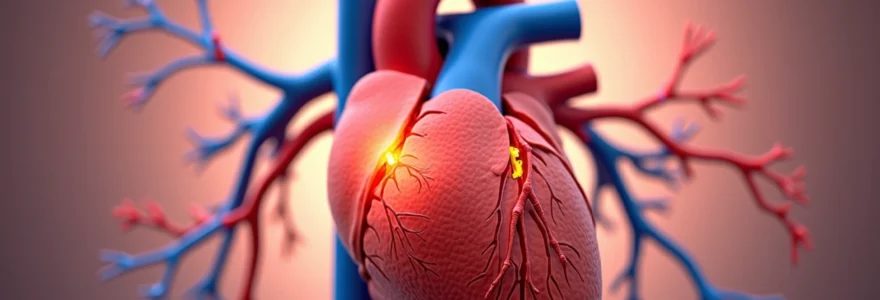
The relationship between gastroesophageal reflux disease (GERD) and cardiac palpitations represents one of the most intriguing intersections in modern medicine. While many patients experiencing chest discomfort may initially fear cardiac complications, the reality is often more complex than it appears. Research increasingly demonstrates that acid reflux can indeed trigger heart rhythm disturbances, creating a cascade of physiological responses that blur the lines between gastrointestinal and cardiovascular symptoms.
Understanding this connection becomes particularly crucial when you consider that approximately 20% of the Western population suffers from GERD symptoms at least weekly. The vagus nerve , which serves as the primary communication pathway between the digestive system and the heart, plays a pivotal role in this relationship. When stomach acid irritates the oesophageal lining, it can stimulate this nerve, leading to cardiac rhythm alterations that manifest as palpitations, rapid heartbeat, or the sensation of skipped beats.
The clinical implications extend far beyond simple discomfort. Patients often find themselves caught in a cycle where GERD-induced palpitations trigger anxiety, which in turn exacerbates both the reflux symptoms and cardiac irregularities. This phenomenon, sometimes referred to as gastrocardiac syndrome or Roemheld syndrome, highlights the intricate relationship between our digestive and cardiovascular systems.
Understanding the anatomical connection between gastroesophageal reflux and cardiac function
Vagus nerve stimulation through oesophageal acid exposure
The vagus nerve, the longest cranial nerve in the human body, serves as the primary conduit for communication between the brain, heart, and digestive organs. When gastric acid escapes the stomach and travels upward into the oesophagus, it creates an inflammatory response that directly stimulates the vagal nerve fibres embedded within the oesophageal wall. This stimulation can trigger a cascade of cardiac responses, including changes in heart rate variability, premature contractions, and altered conduction patterns.
The mechanism operates through what medical professionals term the gastro-cardiac reflex . When acid exposure occurs, particularly during episodes of severe reflux, the vagus nerve can become hyperactive, leading to bradycardia in some patients or tachycardia in others. This dual response pattern explains why different individuals may experience varying cardiac symptoms despite similar levels of acid exposure. The nerve’s parasympathetic influence on the heart can create irregular firing patterns in the sinoatrial node, the heart’s natural pacemaker.
Proximity of the oesophagus to the left atrium and posterior heart wall
The anatomical positioning of the oesophagus creates a unique vulnerability for cardiac rhythm disturbances during acid reflux episodes. Located directly posterior to the left atrium, the oesophagus shares fascial planes and receives blood supply from vessels that also serve cardiac structures. When oesophageal inflammation occurs due to acid exposure, the inflammatory mediators can diffuse across these shared anatomical boundaries, potentially affecting the electrical conduction system of the heart.
This proximity becomes particularly significant in cases of severe oesophagitis, where the inflammatory response extends beyond the mucosal layer into the deeper oesophageal tissues. The left atrium, being the thinnest-walled cardiac chamber, becomes susceptible to external inflammatory influences. Clinical studies have documented temperature changes in the oesophageal wall during reflux episodes, and corresponding thermal alterations have been measured in adjacent cardiac tissues, suggesting direct thermal conduction between these structures.
Inflammatory mediator release and systemic cardiovascular effects
Chronic acid reflux triggers the release of numerous inflammatory cytokines and mediators, including tumour necrosis factor-alpha, interleukin-6, and C-reactive protein. These substances enter the systemic circulation and can directly affect cardiac electrophysiology. The inflammatory cascade initiated by chronic GERD has been linked to increased risk of atrial fibrillation, with studies showing elevated inflammatory markers in patients who develop cardiac arrhythmias following reflux episodes.
The systemic inflammation associated with untreated GERD creates a pro-arrhythmic environment within the cardiac tissue. These inflammatory mediators can alter ion channel function in cardiac myocytes, potentially leading to delayed afterdepolarisations and triggered activity. Research has demonstrated that patients with severe GERD often exhibit elevated levels of oxidative stress markers, which correlate with increased frequency of cardiac rhythm disturbances.
Hiatal hernia complications and cardiac rhythm disturbances
Hiatal hernias, present in approximately 60% of patients with GERD, create additional mechanical factors that can influence cardiac function. When a portion of the stomach herniates through the diaphragmatic hiatus, it can exert direct mechanical pressure on the posterior wall of the left atrium. This pressure effect, combined with the inflammatory changes from chronic acid exposure, can create a perfect storm for cardiac arrhythmia development .
The sliding type of hiatal hernia, most commonly associated with GERD, allows the gastroesophageal junction to migrate above the diaphragm. This anatomical displacement disrupts the normal pressure relationships within the thoracic cavity and can affect venous return to the heart. Patients with large hiatal hernias often report palpitations that correlate with meal timing and positioning changes, particularly when lying supine or bending forward.
Gastroesophageal reflux disease (GERD) pathophysiology and palpitation triggers
Lower oesophageal sphincter dysfunction and acid reflux episodes
The lower oesophageal sphincter (LOS) serves as the primary barrier preventing gastric contents from refluxing into the oesophagus. When this muscular valve becomes compromised, either through mechanical dysfunction or neural control abnormalities, acid reflux episodes become more frequent and severe. The timing and intensity of these episodes directly correlate with the likelihood of experiencing cardiac palpitations.
Transient lower oesophageal sphincter relaxations (TLESRs) represent the most common mechanism underlying GERD development. These inappropriate relaxations, often triggered by gastric distention or specific foods, allow acid to reflux during periods when the LOS should remain contracted. When TLESRs occur in the postprandial period, they frequently coincide with palpitation episodes, suggesting a temporal relationship between sphincter dysfunction and cardiac symptoms.
The severity of sphincter dysfunction also influences the cardiac response pattern. Patients with complete LOS incompetence often experience more sustained palpitation episodes, while those with intermittent dysfunction may have paroxysmal cardiac symptoms that mirror their reflux patterns. Understanding this relationship becomes crucial for developing targeted treatment approaches that address both the underlying sphincter dysfunction and the resulting cardiac symptoms.
Pepsin and bile acid irritation of oesophageal mucosa
While gastric acid receives primary attention in GERD pathophysiology, pepsin and bile acids contribute significantly to oesophageal injury and subsequent cardiac symptoms. Pepsin, the proteolytic enzyme responsible for protein digestion, remains active in acidic environments and can cause severe mucosal damage when it refluxes into the oesophagus. This enzymatic injury creates deeper tissue penetration than acid alone, potentially affecting the neural pathways that communicate with cardiac structures.
Bile acid reflux, occurring in approximately 30% of GERD patients, creates additional inflammatory challenges. These detergent-like molecules can disrupt cellular membranes and enhance the penetration of other irritants into the oesophageal wall. Patients with bile reflux often report more severe palpitation episodes, possibly due to the enhanced inflammatory response and deeper tissue injury caused by these substances.
Barrett’s oesophagus development and associated cardiac symptoms
The development of Barrett’s oesophagus , where normal squamous epithelium transforms into intestinal-type columnar epithelium, represents an advanced stage of GERD that often correlates with increased cardiac symptom frequency. This metaplastic transformation occurs in response to chronic acid and bile exposure, creating tissue that may have altered neural innervation patterns compared to normal oesophageal mucosa.
Patients with Barrett’s oesophagus frequently report more complex palpitation patterns, including episodes of atrial fibrillation and sustained supraventricular tachycardia. The altered tissue architecture in Barrett’s segments may create new pathways for neural transmission between the oesophagus and cardiac structures, potentially explaining the increased incidence of rhythm disturbances in these patients. Long-term studies suggest that successful management of Barrett’s oesophagus often leads to corresponding improvements in cardiac symptom frequency.
Nocturnal acid breakthrough and Sleep-Related arrhythmias
Nocturnal acid breakthrough, defined as gastric pH dropping below 4.0 for more than one hour during sleep despite acid suppression therapy, creates unique conditions for cardiac rhythm disturbances. During sleep, the normal swallowing and saliva production that help clear acid from the oesophagus are significantly reduced, allowing prolonged acid contact with the oesophageal mucosa. This extended exposure period often correlates with sleep-related arrhythmias and palpitations that awaken patients from sleep.
The circadian rhythm of acid production, which typically peaks during the early morning hours, can create a temporal pattern of cardiac symptoms. Patients often report palpitations occurring between 2:00 and 4:00 AM, coinciding with peak acid production periods. This nocturnal pattern becomes particularly problematic because the supine position facilitates acid pooling in the oesophagus, while the reduced clearance mechanisms allow prolonged mucosal contact.
Clinical manifestations of acid Reflux-Induced cardiac symptoms
Supraventricular tachycardia episodes following postprandial reflux
Supraventricular tachycardia (SVT) represents one of the most common cardiac manifestations associated with postprandial acid reflux. These episodes typically begin within 30 minutes to 2 hours after eating, coinciding with the peak period for reflux occurrence. The mechanism involves vagal stimulation triggering re-entrant circuits in the atrioventricular node or accessory pathways, leading to rapid, regular heart rates typically ranging from 150 to 250 beats per minute.
The postprandial timing becomes diagnostically significant because it helps differentiate GERD-induced SVT from other causes of rapid heart rate. Patients often describe a predictable pattern where certain meals or eating behaviours consistently trigger both reflux symptoms and palpitations. Large, fatty meals pose particular risk because they delay gastric emptying and increase the likelihood of reflux while simultaneously providing substrate for more severe acid production.
Atrial fibrillation correlation with GERD exacerbations
The relationship between atrial fibrillation and GERD has gained significant attention in recent years, with multiple studies demonstrating increased AF incidence in patients with severe reflux disease. The irregular, chaotic atrial activity characteristic of AF often correlates temporally with GERD symptom exacerbations, suggesting a causal relationship mediated through inflammatory and neural pathways.
Patients with paroxysmal atrial fibrillation frequently report that their AF episodes coincide with periods of increased heartburn or regurgitation. The inflammatory cascade triggered by chronic acid exposure may create structural changes in atrial tissue, including fibrosis and altered electrical conduction properties, that predispose to AF development. This connection becomes particularly important in elderly patients, where both GERD prevalence and AF risk increase significantly.
Recent clinical investigations have demonstrated that successful GERD treatment with proton pump inhibitors can reduce atrial fibrillation episode frequency by up to 40% in selected patients, suggesting a direct therapeutic relationship between acid suppression and cardiac rhythm stabilisation.
Premature ventricular contractions during acid reflux events
Premature ventricular contractions (PVCs) represent another common manifestation of GERD-induced cardiac symptoms. These extra heartbeats, originating from the ventricular tissue rather than the normal pacemaker, create the characteristic sensation of “skipped beats” or “heart fluttering” that patients often describe. The temporal relationship between acid reflux events and PVC occurrence provides important diagnostic clues for healthcare providers.
The mechanism underlying GERD-induced PVCs involves altered autonomic nervous system activity, with increased sympathetic stimulation competing with vagal influences. This autonomic imbalance can create an environment conducive to ectopic ventricular activity, particularly in patients with underlying structural heart disease or electrolyte abnormalities. The frequency and complexity of PVCs often correlate with the severity of oesophageal acid exposure, as measured by 24-hour pH monitoring studies.
Chest pain differentiation between cardiac and oesophageal origins
Distinguishing between cardiac and oesophageal sources of chest pain presents one of the most challenging aspects of GERD-related cardiac symptoms. Both conditions can produce substernal chest discomfort, pain radiation to the arms and jaw, and associated symptoms such as shortness of breath and diaphoresis. The oesophageal pain pathways share neural connections with cardiac pain fibres, making differentiation based on symptom character alone often impossible.
However, certain clinical features can provide diagnostic clues. GERD-related chest pain often correlates with meal timing, positional changes, and acid reflux symptoms such as heartburn or regurgitation. The pain may respond to antacids or acid suppression therapy, while cardiac pain typically does not. Additionally, GERD-induced chest pain can last for hours, while cardiac pain episodes are usually shorter but may be more severe in intensity.
Diagnostic approaches for GERD-Related palpitations
Diagnosing GERD-related palpitations requires a comprehensive approach that combines cardiac evaluation with gastrointestinal assessment. The initial evaluation should include a detailed history focusing on the temporal relationship between eating, reflux symptoms, and cardiac symptoms. A symptom diary can provide valuable insights into patterns that might not be apparent during clinical interviews.
Electrocardiographic monitoring plays a crucial role in documenting the relationship between reflux episodes and cardiac rhythm disturbances. Twenty-four-hour Holter monitoring, combined with symptom logging, can reveal temporal correlations between palpitations and meal times or reflux symptoms. Event monitors may be particularly useful for patients with less frequent but more severe symptoms, allowing for extended monitoring periods that capture infrequent episodes.
Advanced diagnostic techniques include simultaneous oesophageal pH monitoring and cardiac rhythm assessment. This dual monitoring approach can definitively establish whether palpitation episodes coincide with acid reflux events. Oesophageal manometry may also provide valuable information about lower oesophageal sphincter function and oesophageal motility disorders that might contribute to both GERD and cardiac symptoms.
Cardiac stress testing becomes important to rule out underlying coronary artery disease, particularly in patients with cardiac risk factors. However, the timing of stress testing should consider that exercise can exacerbate GERD symptoms, potentially confounding results. Echocardiography helps assess structural heart disease and can identify complications such as atrial enlargement that might predispose to arrhythmias in patients with chronic GERD.
The diagnostic challenge lies in distinguishing between coincidental occurrence of GERD and cardiac symptoms versus a true causal relationship, requiring careful correlation of symptom timing with objective measures of both acid reflux and cardiac rhythm disturbances.
Evidence-based treatment protocols for acid Reflux-Induced heart palpitations
Treatment of GERD-induced palpitations requires a multifaceted approach addressing both the underlying acid reflux and the resulting cardiac symptoms. Proton pump inhibitors (PPIs) represent the cornerstone of therapy, with studies demonstrating significant reduction in palpitation frequency when acid suppression is optimised. The timing of PPI administration becomes crucial, with twice-daily dosing often necessary for patients with severe symptoms or nocturnal breakthrough acid production.
Lifestyle modifications form an essential component of treatment protocols. Dietary changes, including avoidance of trigger foods such as caffeine, alcohol, chocolate, and fatty meals, can significantly reduce both reflux symptoms and associated palpitations. Eating smaller, more frequent meals helps prevent gastric distention and reduces the likelihood of transient lower oesophageal sphincter
relaxations. Weight management becomes particularly important, as excess abdominal weight increases intragastric pressure and promotes reflux episodes. Elevating the head of the bed by 6-8 inches helps utilise gravity to prevent nocturnal reflux, often leading to dramatic improvements in sleep-related palpitations.
Advanced treatment options include H2-receptor antagonists for patients who experience breakthrough symptoms despite PPI therapy. These medications, when used in combination with PPIs, can provide additional acid suppression during periods of high gastric acid production. For patients with refractory symptoms, surgical interventions such as fundoplication may be considered, with studies showing significant improvement in both GERD symptoms and associated cardiac rhythm disturbances following successful anti-reflux surgery.
Pharmacological management of the cardiac component requires careful consideration of drug interactions and underlying cardiac conditions. Beta-blockers may be beneficial for patients with frequent palpitations, though they can potentially worsen GERD symptoms by reducing lower oesophageal sphincter tone. Calcium channel blockers should be used cautiously, as they can exacerbate reflux symptoms. The timing of cardiac medications relative to meals and acid suppression therapy becomes crucial for optimising therapeutic outcomes while minimising adverse effects.
Complementary therapies, including stress reduction techniques and dietary supplements, can provide additional symptom relief. Magnesium supplementation may be particularly beneficial, as chronic PPI use can lead to hypomagnesaemia, which predisposes to cardiac arrhythmias. Probiotics have shown promise in reducing GERD symptoms and may indirectly improve cardiac symptom frequency. However, these complementary approaches should supplement, not replace, evidence-based medical therapy.
Clinical studies demonstrate that patients achieving optimal acid suppression with PPI therapy experience a 60-70% reduction in palpitation episodes within 4-6 weeks of treatment initiation, highlighting the strong therapeutic relationship between acid control and cardiac symptom improvement.
Long-term cardiovascular implications of untreated gastroesophageal reflux disease
The long-term cardiovascular consequences of untreated GERD extend far beyond episodic palpitations, potentially contributing to structural heart disease and increased cardiovascular morbidity. Chronic inflammation associated with persistent acid reflux creates systemic effects that can accelerate coronary artery disease progression and increase the risk of major adverse cardiac events. The continuous release of inflammatory mediators, including C-reactive protein and interleukin-6, contributes to endothelial dysfunction and atherosclerotic plaque instability.
Longitudinal studies have demonstrated that patients with severe, untreated GERD face a 30-40% increased risk of developing atrial fibrillation over a 10-year period compared to those without reflux disease. This increased risk appears to be independent of traditional cardiovascular risk factors, suggesting that GERD itself contributes to structural and electrical remodelling of cardiac tissue. The persistent vagal stimulation and inflammatory burden create conditions that promote atrial fibrosis and altered conduction properties, establishing substrate for sustained arrhythmias.
The development of pulmonary complications from chronic aspiration of gastric contents can create additional cardiovascular strain through increased pulmonary vascular resistance and right heart workload. Patients with GERD-related asthma or recurrent pneumonia may develop pulmonary hypertension, leading to right ventricular dysfunction and tricuspid regurgitation. These complications can progress silently over years, eventually manifesting as exercise intolerance, peripheral oedema, and cardiac decompensation.
Sleep disruption caused by nocturnal reflux symptoms creates another pathway for long-term cardiovascular complications. Chronic sleep fragmentation leads to increased sympathetic nervous system activity, elevated cortisol levels, and insulin resistance, all of which contribute to cardiovascular risk. Patients with untreated GERD often experience poor sleep quality for years before seeking treatment, allowing these metabolic and cardiovascular changes to become established and potentially irreversible.
The economic implications of untreated GERD extend beyond direct medical costs to include lost productivity, increased emergency department visits, and higher rates of cardiovascular interventions. Early identification and treatment of GERD-related cardiac symptoms can prevent progression to more serious cardiovascular complications, emphasising the importance of recognising this connection in clinical practice. Healthcare providers must maintain awareness of the potential for GERD to masquerade as primary cardiac disease, ensuring appropriate evaluation and treatment of both conditions.
Prevention strategies focus on identifying high-risk patients before complications develop. Regular cardiovascular screening in patients with severe GERD, particularly those with additional risk factors such as obesity, diabetes, or family history of heart disease, can facilitate early detection of subclinical cardiovascular changes. Lifestyle counselling addressing both GERD triggers and cardiovascular risk factors provides a comprehensive approach to preventing long-term complications while improving overall patient outcomes.
The interconnected nature of gastrointestinal and cardiovascular health requires healthcare providers to adopt a holistic approach, recognising that optimal treatment of GERD not only alleviates digestive symptoms but may also prevent significant cardiovascular complications that can develop over decades of untreated disease.
 Good health cannot be bought, but rather is an asset that you must create and then maintain on a daily basis.