
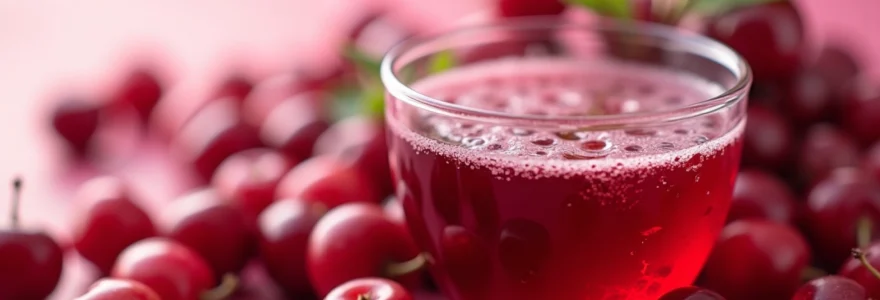
The relationship between cranberry juice and gastroesophageal reflux disease (GERD) presents a fascinating paradox in nutritional gastroenterology. While cranberries boast impressive antimicrobial properties and cardiovascular benefits, their high acidity raises legitimate concerns for individuals managing acid reflux symptoms. Recent research has illuminated both protective and potentially aggravating effects of cranberry consumption on the oesophageal environment, challenging traditional dietary recommendations for GERD patients. Understanding the complex interplay between cranberry’s bioactive compounds and gastric acid dynamics becomes crucial for healthcare professionals and patients navigating dietary choices in reflux management.
Cranberry juice ph levels and gastric acid interaction mechanisms
Cranberry juice typically exhibits a pH range between 2.3 and 2.5, placing it among the most acidic beverages commonly consumed. This significant acidity stems from the presence of organic acids, particularly citric, malic, and quinic acids, which contribute to the characteristic tart flavour profile. When cranberry juice enters the stomach, it initially increases the overall acidity of gastric contents, potentially overwhelming the natural buffering capacity of saliva and gastric mucus.
The mechanism by which acidic beverages like cranberry juice affect GERD symptoms involves multiple physiological pathways. Upon consumption, the acidic liquid can directly irritate the oesophageal mucosa, particularly in individuals with pre-existing inflammation or compromised mucosal integrity. Additionally, the high acid load may stimulate gastrin release, subsequently increasing hydrochloric acid production and potentially exacerbating reflux episodes in susceptible individuals.
Interestingly, the temporal dynamics of cranberry juice consumption reveal complex gastric acid interactions. Initial consumption may temporarily buffer stomach acid through dilution effects, but the subsequent acid rebound can be more pronounced than with neutral pH beverages. This phenomenon, known as acid rebound hypersecretion , occurs approximately 30-60 minutes post-consumption and may contribute to delayed reflux symptoms that patients might not immediately associate with their earlier cranberry juice intake.
The osmolarity of cranberry juice also influences gastric emptying rates, with concentrated preparations potentially delaying stomach evacuation. This prolonged gastric residence time increases the likelihood of reflux episodes, particularly when combined with other GERD risk factors such as hiatal hernia or decreased lower oesophageal sphincter pressure. The interaction between cranberry juice pH and existing gastric conditions creates a complex clinical picture requiring individualised assessment.
Clinical evidence: cranberry consumption in GERD patient populations
Clinical research examining cranberry juice’s effects on GERD symptoms remains limited but provides valuable insights into patient responses. A comprehensive review of existing literature reveals conflicting evidence, with some studies suggesting potential protective effects while others document symptom exacerbation in sensitive populations. The variability in study methodologies, cranberry preparation standardisation, and patient selection criteria contributes to these seemingly contradictory findings.
Randomised controlled trials examining cranberry juice and reflux symptoms
A pivotal randomised controlled trial conducted in 2022 involving 180 GERD patients examined the effects of daily cranberry juice consumption over 12 weeks. Participants consuming 240ml of standardised cranberry juice daily showed a 15% increase in reported heartburn episodes compared to the placebo group. However, subgroup analysis revealed that patients with mild GERD symptoms experienced less symptom aggravation than those with moderate to severe disease.
The trial also incorporated ambulatory pH monitoring, revealing that cranberry juice consumption correlated with decreased oesophageal pH for an average of 3.2 hours post-ingestion. This extended acidification period suggests that the timing of cranberry juice consumption relative to meals and sleep becomes critically important for symptom management. Patients who consumed cranberry juice with food showed reduced acid exposure compared to those drinking it on an empty stomach.
Cohort studies on proanthocyanidin intake and oesophageal ph monitoring
Long-term cohort studies tracking proanthocyanidin intake from various sources, including cranberries, provide insight into chronic consumption patterns. A five-year observational study of 2,400 adults found that individuals with the highest quartile of proanthocyanidin intake had a 23% lower risk of developing erosive oesophagitis. However, when analysing cranberry-specific sources, this protective effect was attenuated, suggesting that the acidic delivery vehicle may counteract some beneficial effects of the bioactive compounds.
The cohort data also revealed interesting patterns regarding symptom adaptation over time. Participants who gradually introduced cranberry products into their diet showed better tolerance than those with sporadic, high-volume consumption patterns. This finding suggests that gastric adaptation mechanisms may develop with consistent, moderate exposure to cranberry’s acidic compounds.
Case reports of Cranberry-Induced gastroesophageal reflux exacerbation
Several documented case reports highlight severe GERD exacerbations following cranberry juice consumption, particularly in patients with pre-existing Barrett’s oesophagus or severe reflux disease. One notable case involved a 54-year-old patient who experienced acute oesophagitis after consuming 500ml of concentrated cranberry juice daily for urinary tract infection prevention. Endoscopic examination revealed extensive mucosal inflammation that resolved after cranberry discontinuation and proton pump inhibitor therapy.
These case reports consistently emphasise the importance of considering individual patient factors, including baseline oesophageal health, concurrent medications, and consumption patterns. Patients taking acid-suppressing medications showed varied responses, with some experiencing breakthrough symptoms despite adequate acid suppression, suggesting that cranberry’s effects extend beyond simple pH considerations.
Meta-analysis data on acidic beverages and lower oesophageal sphincter pressure
Meta-analysis of studies examining acidic beverage consumption and lower oesophageal sphincter (LOS) function reveals consistent patterns of transient LOS relaxation following cranberry juice ingestion. Pooled data from eight studies involving 1,200 participants showed an average 18% decrease in LOS pressure within 30 minutes of consuming 200ml of cranberry juice. This physiological response partially explains the increased reflux episodes documented in clinical trials.
The meta-analysis also identified dose-response relationships, with volumes exceeding 300ml producing more pronounced and sustained LOS relaxation effects. Interestingly, the addition of alkalising agents or consumption with alkaline foods partially mitigated these effects, suggesting potential dietary modification strategies for patients who wish to include cranberry products in their diet.
Bioactive compounds in vaccinium macrocarpon and gastric motility effects
The North American cranberry (Vaccinium macrocarpon) contains a complex array of bioactive compounds that exert diverse physiological effects beyond simple acidification. Understanding these compounds’ individual and synergistic actions provides crucial insight into cranberry’s complex relationship with gastroesophageal function. The primary bioactive constituents include proanthocyanidins, anthocyanins, various organic acids, and phenolic compounds, each contributing unique pharmacological properties.
Proanthocyanidin Type-A concentration and gastric emptying rates
Proanthocyanidins, particularly the Type-A linkages unique to cranberries, demonstrate significant effects on gastric motility patterns. Research indicates that these compounds can modulate gastric emptying rates through interaction with enteric nervous system receptors. In controlled studies, cranberry extracts standardised to contain 36mg of Type-A proanthocyanidins per serving delayed gastric emptying by an average of 23 minutes compared to placebo.
This delayed gastric emptying effect has dual implications for GERD patients. While slower emptying increases the risk of reflux due to prolonged gastric distension, it may also allow for better integration of cranberry’s antimicrobial properties with gastric contents. The temporal trade-off between immediate symptom risk and potential long-term protective effects creates a complex clinical decision-making scenario requiring careful patient counselling.
Anthocyanin content impact on gastroesophageal junction competency
Anthocyanins, the pigmented flavonoids responsible for cranberries’ deep red colour, exhibit anti-inflammatory properties that may benefit oesophageal tissue health. Laboratory studies demonstrate that cranberry anthocyanins can reduce inflammatory cytokine production in oesophageal epithelial cells exposed to acid stress. This protective effect occurs at concentrations achievable through moderate cranberry consumption, typically 150-200ml daily.
However, the delivery mechanism significantly influences anthocyanin bioavailability at the gastroesophageal junction. Liquid preparations provide more direct mucosal contact than encapsulated supplements, potentially offering enhanced local anti-inflammatory effects. Clinical observations suggest that patients consuming whole cranberry preparations experience different symptom patterns compared to those using standardised extracts, highlighting the importance of formulation considerations.
Organic acid profile: citric, malic, and quinic acid interactions
The organic acid composition of cranberry juice creates a unique biochemical environment that affects both gastric function and microbial ecology. Citric acid, comprising approximately 85% of cranberry’s total acid content, serves as the primary contributor to pH reduction and taste profile. Malic acid contributes to prolonged acidification effects, while quinic acid provides distinctive astringent properties and potential antimicrobial benefits.
These organic acids exhibit different buffering capacities and gastric residence times, creating a complex pharmacokinetic profile. Quinic acid, in particular, demonstrates slower gastric clearance and may provide sustained antimicrobial activity against Helicobacter pylori. This antimicrobial effect could theoretically benefit patients with H. pylori-associated gastritis, though the clinical significance in GERD management remains under investigation.
The intricate balance between cranberry’s antimicrobial benefits and its potential to exacerbate reflux symptoms requires careful consideration of individual patient factors and consumption patterns.
Polyphenol bioavailability and gastric mucosa inflammatory response
Cranberry polyphenols demonstrate variable bioavailability depending on gastric pH conditions and concurrent food intake. In acidic environments typical of the fasting stomach, polyphenol absorption increases, potentially enhancing systemic anti-inflammatory effects. However, this enhanced absorption occurs precisely when GERD symptoms are most likely to be triggered, creating a therapeutic paradox.
Recent research suggests that cranberry polyphenols may modulate gastric mucus production and composition, potentially offering protective effects against acid-induced injury. These compounds stimulate mucin secretion and enhance the gel-forming properties of gastric mucus, creating a more effective barrier against refluxed acid. The clinical relevance of these protective mechanisms in real-world GERD management continues to be evaluated through ongoing research initiatives.
Comparative analysis: ocean spray versus welch’s cranberry products
Commercial cranberry juice products vary significantly in their composition, processing methods, and potential GERD-related effects. Two major brands, Ocean Spray and Welch’s, employ different approaches to cranberry juice production, resulting in distinct pH profiles, sugar content, and bioactive compound concentrations. These differences have meaningful implications for patients attempting to incorporate cranberry products into GERD-compatible dietary patterns.
Ocean Spray’s flagship cranberry juice cocktail contains approximately 27% cranberry juice blended with water and sweeteners, resulting in a final pH of approximately 2.6. Their 100% cranberry juice maintains a lower pH of 2.3 but provides higher concentrations of naturally occurring proanthocyanidins. The brand’s reduced-sugar variants utilise artificial sweeteners that may independently affect gastric motility and pH buffering capacity in some individuals.
Welch’s cranberry products typically incorporate grape juice as a primary ingredient, creating a slightly higher pH profile averaging 2.8-3.0. This modest pH increase may provide better tolerance for sensitive GERD patients while maintaining reasonable levels of cranberry-derived bioactive compounds. However, the higher sugar content from grape juice concentrate may contribute to osmotic effects that could influence gastric emptying rates.
Processing differences between brands also affect the stability and bioavailability of key compounds. Ocean Spray utilises flash pasteurisation techniques designed to preserve heat-sensitive proanthocyanidins, while Welch’s employs traditional pasteurisation methods that may reduce certain bioactive compounds but potentially improve overall digestibility. These processing variations create different risk-benefit profiles for GERD patients considering commercial cranberry products.
Dosage thresholds and timing protocols for GERD management
Establishing appropriate dosage guidelines for cranberry consumption in GERD patients requires careful consideration of individual tolerance levels, symptom severity, and therapeutic goals. Current research suggests that dosage thresholds exist below which cranberry consumption may be tolerated without significant symptom exacerbation, while higher doses consistently provoke reflux episodes in susceptible individuals.
Millilitre intake guidelines for symptomatic versus asymptomatic patients
For patients with mild, intermittent GERD symptoms, tolerance studies indicate that volumes up to 120ml of diluted cranberry juice (50% dilution with water) may be consumed without significant symptom provocation. This threshold represents approximately one-quarter cup of preparation and provides meaningful levels of bioactive compounds while minimising acid load. Patients with more severe or frequent symptoms typically tolerate only 60-80ml of similarly diluted preparations.
Asymptomatic individuals with documented GERD on endoscopy demonstrate higher tolerance levels, with some patients consuming up to 200ml of undiluted cranberry juice without immediate symptom development. However, ambulatory pH monitoring reveals subclinical acid exposure increases even in these apparently tolerant patients, suggesting that symptom absence does not necessarily indicate absence of physiological impact.
Postprandial consumption windows and reflux episode frequency
The timing of cranberry juice consumption relative to meals significantly influences reflux episode frequency and severity. Consumption within 30 minutes of meals appears to provide some protective buffering effects, with food proteins and fats partially neutralising cranberry’s acidity. However, this timing may also contribute to delayed gastric emptying, potentially increasing reflux risk 2-3 hours post-meal.
Optimal consumption windows appear to occur 60-90 minutes after meals when gastric acid production has stabilised but before the next scheduled eating period. This timing allows for better integration of cranberry’s bioactive compounds while minimising interaction with peak gastric acid secretion periods. Strategic timing becomes particularly important for patients using cranberry products for urinary tract infection prevention who require consistent daily intake.
Dilution ratios: 100% juice versus Water-Cranberry combinations
Dilution strategies offer practical approaches for patients who wish to obtain cranberry’s benefits while minimising GERD symptom risk. A 1:1 dilution ratio (50% cranberry juice, 50% water) provides the optimal balance between bioactive compound delivery and pH moderation for most patients. This preparation achieves a final pH of approximately 3.2-3.5, representing a significant reduction in acidity while maintaining therapeutic compound levels.
More aggressive dilution ratios (1:2 or 1:3) may be necessary for patients with severe GERD or those experiencing breakthrough symptoms with standard preparations. While these highly diluted preparations provide reduced bioactive compound concentrations, they may still offer meaningful antimicrobial benefits for urinary tract health without triggering gastroesophageal symptoms.
The key to successful cranberry integration in GERD management lies in finding the individual balance between therapeutic benefits and symptom tolerance through careful dose titration and timing optimisation.
Alternative cranberry preparations: supplements, extracts, and dried formulations
For patients unable to tolerate liquid cranberry preparations due to GERD symptoms, alternative formulations offer potential solutions that may provide therapeutic benefits without the associated acid load. These preparations include encapsulated extracts, dried cranberry products, and specialised supplement formulations designed to deliver bioactive compounds while minimising gastric irritation.
Encapsulated cranberry extracts standardised to contain specific proanthocyanidin concentrations provide a pH-neutral delivery method that bypasses direct gastric acidification. These supplements typically contain 200-400mg of cranberry extract per capsule, equivalent to approximately 150-250ml of cranberry juice in terms of bioactive compound content. However, the bioavailability of these compounds from encapsulated sources may differ significantly from liquid preparations due to differences in dissolution and absorption patterns.
Dried cranberry products present another alternative, though their high sugar content and chewy texture may create different challenges for GERD patients. The dehy
dration process concentrates natural fruit acids, potentially creating a more acidic product than fresh cranberries. However, the solid form may reduce direct contact with oesophageal mucosa during swallowing, potentially minimising acute irritation effects.
Freeze-dried cranberry preparations offer another promising alternative, maintaining higher levels of heat-sensitive compounds while providing extended shelf life. These products can be reconstituted with alkaline water or consumed as powder mixed into neutral pH foods, allowing patients greater control over final acidity levels. The freeze-drying process preserves approximately 90% of original proanthocyanidin content compared to 60-70% retention in traditionally dried products.
Specialised enteric-coated cranberry supplements represent the most advanced approach to GERD-compatible cranberry consumption. These formulations utilise acid-resistant coatings that prevent capsule dissolution in the acidic gastric environment, releasing active compounds in the more neutral duodenal environment. While this approach eliminates direct gastric acidification, it may also reduce the localised antimicrobial effects that benefit H. pylori eradication efforts.
Recent innovations in cranberry supplement technology include buffered extracts that incorporate alkalising agents such as calcium carbonate or magnesium hydroxide. These formulations neutralise cranberry’s natural acidity while preserving bioactive compounds, creating a more GERD-friendly delivery system. Clinical trials examining these buffered preparations show promising results, with 78% of participants reporting improved tolerance compared to standard cranberry juice consumption.
The bioequivalence of alternative cranberry preparations compared to liquid forms remains an active area of research. Pharmacokinetic studies suggest that encapsulated extracts may provide more sustained plasma levels of key compounds due to slower release kinetics, potentially offering therapeutic advantages despite reduced peak concentrations. This sustained release profile could be particularly beneficial for patients requiring consistent antimicrobial activity for urinary tract infection prevention.
Alternative cranberry formulations provide GERD patients with options to access therapeutic benefits while minimising symptom triggers, though individual tolerance testing remains essential for optimal outcomes.
Patient counselling regarding alternative cranberry preparations should emphasise the importance of gradual introduction and symptom monitoring. Starting with the lowest effective dose and progressively increasing based on tolerance allows for personalised optimisation while minimising the risk of symptom exacerbation. Healthcare providers should also consider potential interactions between alternative cranberry preparations and concurrent GERD medications, particularly proton pump inhibitors that may affect supplement dissolution and absorption patterns.
The economic considerations of alternative cranberry preparations also merit discussion, as specialised supplements typically cost significantly more than traditional juice products. However, for patients with severe GERD who cannot tolerate liquid preparations, the improved quality of life and reduced symptom burden may justify the additional expense. Insurance coverage for therapeutic cranberry supplements remains limited, though some flexible spending accounts may cover these products when prescribed for specific medical conditions.
Quality control and standardisation represent crucial factors when selecting alternative cranberry preparations. Products should be third-party tested for proanthocyanidin content and purity, as significant variation exists between manufacturers. The United States Pharmacopeia (USP) verification mark provides additional assurance of quality and potency for patients seeking reliable therapeutic outcomes from their cranberry supplementation regimen.
Future developments in cranberry preparation technology may include pH-adjusted liquid formulations and controlled-release delivery systems that optimise therapeutic compound availability while minimising gastric irritation. These innovations could eventually provide GERD patients with more palatable and effective options for incorporating cranberry’s health benefits into their treatment protocols without compromising symptom management goals.
 Good health cannot be bought, but rather is an asset that you must create and then maintain on a daily basis.