
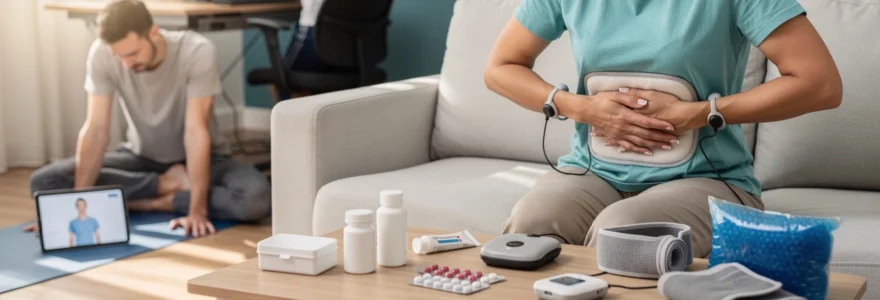
Pain is an inevitable part of human experience, serving as a crucial warning system that alerts us to potential tissue damage or injury. While acute pain typically resolves as healing occurs, understanding how to effectively manage occasional discomfort can significantly improve quality of life and prevent the development of chronic conditions. Modern pain management encompasses a diverse array of approaches, from pharmaceutical interventions to physical therapies and lifestyle modifications.
The complexity of pain perception involves intricate interactions between the nervous system, brain, and various physiological processes. When pain signals reach the brain, they can be influenced by emotional state, previous experiences, and environmental factors. This multifaceted nature of pain opens numerous avenues for therapeutic intervention, allowing individuals to explore various strategies that work best for their specific circumstances.
Rather than relying solely on one approach, effective pain management often involves combining multiple modalities to achieve optimal results. This comprehensive strategy recognises that different types of pain may respond better to specific treatments, and what works for one person may not be as effective for another. Understanding these various options empowers individuals to make informed decisions about their pain management journey.
Over-the-counter analgesic classifications and mechanisms of action
Over-the-counter analgesics represent the first line of defence against occasional pain, offering accessible and generally safe options for managing various types of discomfort. These medications work through different mechanisms to interrupt pain signals at various points in the pain pathway. Understanding how these medications function can help you make more informed choices about which option might be most appropriate for your specific situation.
The effectiveness of analgesics depends not only on their mechanism of action but also on factors such as the type of pain, individual physiology, and potential interactions with other medications. Proper dosing and timing are crucial for maximising therapeutic benefits while minimising the risk of adverse effects. Each class of analgesic offers distinct advantages and limitations that should be carefully considered.
Non-steroidal Anti-Inflammatory drugs: ibuprofen and aspirin pharmacokinetics
Non-steroidal anti-inflammatory drugs (NSAIDs) work by inhibiting cyclooxygenase enzymes, which play a key role in the production of prostaglandins – chemical mediators that contribute to inflammation, pain, and fever. Ibuprofen, one of the most commonly used NSAIDs, demonstrates excellent bioavailability when taken orally, with peak plasma concentrations typically achieved within 1-2 hours of administration.
Aspirin differs from other NSAIDs in its irreversible binding to cyclooxygenase enzymes, providing longer-lasting effects even after the drug has been metabolised. This unique mechanism makes aspirin particularly valuable for certain conditions, though it also increases the risk of gastrointestinal side effects. The anti-platelet properties of aspirin provide additional cardiovascular benefits but may increase bleeding risk, particularly when combined with other blood-thinning medications.
Both medications undergo hepatic metabolism, with ibuprofen having a shorter half-life of approximately 2-4 hours compared to aspirin’s variable elimination time. This pharmacokinetic difference influences dosing intervals and duration of action, making ibuprofen suitable for more frequent dosing while aspirin’s effects may persist longer between doses.
Paracetamol hepatic metabolism and COX-3 inhibition pathways
Paracetamol, known as acetaminophen in some regions, represents a unique class of analgesic with a distinct mechanism of action that sets it apart from NSAIDs. While its exact mechanism remains partially unclear, current research suggests that paracetamol works primarily through inhibition of cyclooxygenase-3 (COX-3) enzymes in the central nervous system, rather than peripheral tissues.
The hepatic metabolism of paracetamol involves multiple pathways, with the majority being processed through conjugation reactions that produce harmless metabolites. However, a small percentage undergoes oxidative metabolism via the cytochrome P450 system, producing a potentially toxic metabolite called NAPQI (N-acetyl-p-benzoquinone imine). Under normal circumstances, this toxic metabolite is quickly neutralised by glutathione stores in the liver.
Hepatotoxicity risk
Hepatotoxicity risk becomes significant when paracetamol is taken above the recommended dose or combined with other medicines containing paracetamol. When glutathione stores are depleted – for example after overdose, prolonged fasting, or excessive alcohol intake – NAPQI can accumulate and damage liver cells. This is why healthcare professionals emphasise strict adherence to maximum daily doses (typically 3,000–4,000 mg for healthy adults, and less for those with liver disease). For occasional pain relief, paracetamol is often preferred when anti-inflammatory effects are not essential, particularly in individuals who cannot tolerate NSAIDs due to gastrointestinal, renal, or cardiovascular concerns.
Topical analgesics: capsaicin and menthol transdermal delivery systems
Topical analgesics offer a targeted approach to managing occasional pain, acting directly at or near the site of discomfort while minimising systemic exposure. Capsaicin and menthol are two of the most commonly used active ingredients in over-the-counter creams, gels, and patches. Their transdermal delivery systems are designed to penetrate the outer skin layers and interact with peripheral nerve endings involved in pain transmission.
Capsaicin, derived from chilli peppers, works by activating transient receptor potential vanilloid 1 (TRPV1) receptors on sensory neurons. With repeated application, it leads to a temporary depletion of substance P, a key neuropeptide involved in transmitting pain signals to the brain. This “overloading” of pain receptors can initially produce a burning sensation, but with continued use, many people notice a reduction in local pain intensity, particularly for neuropathic and joint-related pain.
Menthol-based preparations rely on activation of cold-sensitive TRPM8 receptors, creating a cooling sensation that can distract the brain from deeper, underlying pain. This “counter-irritant” effect is similar to turning down the volume on a noisy radio by adding a more pleasant background sound. For occasional muscle strains, tension headaches (via neck and shoulder application), or post-exercise soreness, menthol gels and patches can provide short-term relief, especially when combined with gentle stretching or rest.
From a practical standpoint, topical analgesics can be a useful option when you are looking to avoid systemic side effects or when oral analgesics are contraindicated. However, you should always follow the manufacturer’s instructions, avoid applying to broken or irritated skin, and wash your hands thoroughly after use, especially with capsaicin products. If irritation or allergic reactions occur, discontinue use and seek advice from a pharmacist or healthcare professional.
Combination formulations: codeine-paracetamol and caffeine adjuvant therapy
Combination analgesic formulations are designed to enhance pain relief by targeting multiple mechanisms simultaneously. A common example is codeine-paracetamol, where a mild opioid (codeine) is combined with paracetamol to provide stronger analgesia than either agent alone. Codeine is metabolised in the liver to morphine via the CYP2D6 enzyme, but genetic differences mean that some individuals convert more quickly or more slowly, which can influence both efficacy and side-effect risk.
Because of the potential for dependence, constipation, drowsiness, and respiratory depression, codeine-containing products are typically recommended only for short-term use and under medical guidance. For occasional moderate pain that does not respond to simple analgesics alone, these combinations may be appropriate, but you should avoid taking them for extended periods or in higher doses than advised. Always check product labels carefully, as many cold and flu remedies already contain paracetamol or codeine, increasing the risk of unintentional overdose.
Caffeine is another common adjuvant included in some over-the-counter pain relief tablets, particularly those marketed for tension headaches or migraine. Caffeine can enhance analgesic efficacy by improving drug absorption and modulating adenosine receptors in the central nervous system, which are involved in pain processing. Studies suggest that low to moderate doses of caffeine combined with paracetamol or aspirin can improve pain relief for certain types of acute headache compared with analgesics alone.
However, there is a balance to strike: excessive caffeine intake may contribute to rebound headaches, sleep disturbance, palpitations, or anxiety, particularly if you already consume significant amounts of coffee, tea, or energy drinks. When using combination analgesics with caffeine, it is sensible to monitor your total daily caffeine intake and limit use to those occasions when you truly need enhanced pain control. If you find yourself relying on such combinations frequently, it may be time to speak with a healthcare professional about alternative strategies.
Evidence-based physical therapy modalities for acute pain management
While pharmacological options are often the first step in managing occasional pain, non-drug approaches play an equally important role and can sometimes provide comparable relief. Evidence-based physical therapy modalities focus on modifying the local tissue environment, altering nerve signalling, and supporting natural healing processes. When used correctly, these techniques can help you stay active, reduce reliance on medication, and lower the risk of progressing to chronic pain.
Physical modalities are particularly helpful for musculoskeletal problems such as sprains, muscle strains, minor sports injuries, and postural discomfort from everyday activities. Many of these strategies can be applied at home with simple equipment, provided you understand the underlying principles and safety considerations. By combining these tools with sensible activity modification and ergonomic adjustments, you can often manage acute pain episodes more effectively and recover more quickly.
Transcutaneous electrical nerve stimulation (TENS) unit applications
Transcutaneous Electrical Nerve Stimulation (TENS) units deliver low-voltage electrical impulses through adhesive electrodes placed on the skin. These impulses aim to modulate pain perception by stimulating large-diameter sensory fibres, which can “close the gate” to pain signals carried by smaller fibres at the spinal cord level. In practical terms, this means that the tingling sensation from the TENS unit can partially override or dampen the sensation of pain.
For short-term, occasional pain such as post-exercise muscle soreness, lower back strain, or tension around the neck and shoulders, a TENS device can provide a non-invasive, drug-free option. Sessions typically last 20–30 minutes, and many modern units allow you to customise intensity and frequency settings to find a comfortable yet effective level. It is usually best to start at a low intensity and gradually increase until you feel a strong but pleasant tingling without muscle contraction.
Although TENS is generally considered safe, there are important precautions. You should avoid placing electrodes over broken skin, the front of the neck, the eyes, or directly over the heart. People with pacemakers, implanted defibrillators, or certain cardiac conditions should consult a healthcare professional before use. TENS is not a cure for underlying conditions, but as part of an everyday pain management toolkit, it can make it easier to stay mobile and carry out daily tasks while discomfort settles.
Cryotherapy protocols: ice pack duration and vasoconstriction mechanisms
Cryotherapy, or cold therapy, is a cornerstone of acute injury management and is often summarised within protocols such as RICE (Rest, Ice, Compression, Elevation). Applying an ice pack or cold compress causes vasoconstriction – narrowing of blood vessels – which helps reduce local blood flow, swelling, and inflammatory mediator release. This in turn can lessen pain by reducing pressure on nerve endings and slowing nerve conduction speed.
For minor sprains, strains, or bruises, you can apply a cold pack wrapped in a thin towel to the affected area for about 10–20 minutes at a time, several times a day during the first 24–72 hours. Longer applications do not necessarily provide better relief and may increase the risk of cold injury or skin damage. Think of cryotherapy as turning down the “heat” of inflammation: short, regular applications are usually more effective than one long session.
It is important to listen to your body while using ice. If you notice intense pain, numbness, or skin colour changes such as whitening or blistering, remove the pack immediately. People with conditions affecting circulation or sensation – for example diabetes-related neuropathy or Raynaud’s phenomenon – should be particularly cautious and may need professional guidance. Used sensibly, cryotherapy can be a simple, low-cost way to manage occasional pain after activity or minor trauma.
Thermotherapy techniques: heat pad application and muscle relaxation
Thermotherapy, or the therapeutic use of heat, works almost as the opposite of cryotherapy and is particularly valuable for muscle tension, stiffness, and chronic-leaning aches. Heat application promotes vasodilation, increasing blood flow, oxygen, and nutrient delivery to tissues while helping to remove metabolic waste products. This can ease muscle spasm, increase tissue elasticity, and create a soothing sensation that reduces pain perception.
Common options include electric heat pads, microwavable wheat bags, hot water bottles, or warm baths. For safety, it is generally advisable to apply gentle, moist heat for 15–20 minutes at a time, ensuring there is a layer of cloth between the skin and the heat source. If you imagine a stiff muscle as a cold rubber band, heat therapy is like gently warming the band so it can stretch more easily without snapping.
Heat therapy is often most beneficial before activity, such as stretching or light exercise, to improve flexibility and reduce the risk of further strain. However, it is usually not recommended immediately after an acute injury where significant swelling or inflammation is present, as additional heat may exacerbate these processes. Always check your skin regularly to avoid burns, especially if you have reduced sensation or are using an electric device that maintains a constant temperature.
Compression therapy: elastic bandaging and oedema reduction strategies
Compression therapy involves applying controlled pressure to a limb or joint using elastic bandages, sleeves, or specialised garments. The primary goal is to limit excessive swelling (oedema) after an injury and to support underlying tissues during the early phases of healing. By reducing the build-up of fluid in the injured area, compression can decrease tissue tension and, consequently, pain.
When using an elastic bandage for a minor sprain or strain, it is important to wrap from the area furthest from the heart toward the body, applying firm but not constrictive pressure. The wrap should feel snug yet comfortable; if you experience tingling, numbness, increased pain, or colour changes in the extremity, the bandage is likely too tight and should be adjusted. Combining compression with elevation (raising the limb above heart level when resting) can further enhance fluid drainage.
For many people, compression sleeves or supports can also provide a sense of stability and confidence during movement, which may help you return to gentle activity sooner. However, compression should not be used as a substitute for proper diagnosis, rehabilitation exercises, or medical assessment when needed. If pain or swelling persists beyond a few days, or if you are unsure how to apply bandaging correctly, seeking professional guidance from a physiotherapist or healthcare provider is advisable.
Lifestyle modification strategies for pain prevention and management
Lifestyle choices play a profound role in how often we experience pain and how intensely we feel it. While it may be tempting to look for a quick fix, everyday habits around movement, sleep, nutrition, and stress management can either prime the body to cope well with occasional pain or make it more vulnerable. The encouraging news is that even small, sustainable adjustments can add up to meaningful improvements over time.
Regular physical activity, for example, helps maintain joint mobility, strengthens supportive muscles, and improves circulation, all of which support natural pain control systems. You do not need an intense gym routine to benefit; consistent, low-impact activities such as walking, swimming, or cycling can be enough to reduce stiffness and enhance mood. Pairing activity with appropriate warm-up, cool-down, and stretching can further protect against strains and overuse injuries.
Sleep quality is another critical factor. Poor or fragmented sleep has been shown in numerous studies to heighten pain sensitivity and reduce pain tolerance, creating a vicious circle where pain disrupts sleep and lack of sleep worsens pain. Establishing a regular sleep schedule, limiting screen use before bed, and creating a calm, dark, and cool bedroom environment can all support more restorative rest. If you notice that pain frequently wakes you at night, it may be worth discussing timing of pain relief or relaxation techniques with a healthcare professional.
Nutrition and body weight also influence pain, particularly in weight-bearing joints such as the knees, hips, and lower back. A balanced diet rich in fruits, vegetables, whole grains, lean protein, and healthy fats can help regulate inflammation and support tissue repair. Maintaining a healthy weight reduces mechanical stress on joints and can slow the progression of degenerative changes. Think of food as fuel for your body’s internal “repair team” – the better the fuel, the more efficiently the team can work.
Finally, stress management and emotional wellbeing are integral to pain control, because the brain’s interpretation of pain is heavily shaped by mood and perceived threat. Techniques such as mindfulness meditation, deep breathing, gentle yoga, or even simple hobbies that absorb your attention can calm the nervous system and reduce pain amplification. Keeping a simple pain diary to track triggers, activity levels, sleep, and stress can help you spot patterns and adjust your lifestyle accordingly, giving you more control over occasional pain rather than feeling at its mercy.
Complementary and alternative medicine approaches with clinical validation
Alongside conventional medical treatments, many people explore complementary and alternative medicine (CAM) as part of a holistic strategy for managing occasional pain. While not all CAM approaches are backed by strong evidence, several have gained clinical support through controlled trials and systematic reviews. When used thoughtfully and in communication with your healthcare team, these therapies can complement standard care and offer additional tools for relief.
Acupuncture is one of the most widely researched CAM modalities for pain. Inserting very fine needles into specific points on the body appears to stimulate the release of endogenous opioids and other neurotransmitters, modulate inflammatory pathways, and influence pain-processing regions in the brain. Clinical guidelines in several countries now recognise acupuncture as a possible option for conditions such as tension-type headaches, migraines, and certain types of musculoskeletal pain, particularly when standard treatments provide incomplete relief.
Manual therapies, including chiropractic adjustments, osteopathy, and massage, focus on improving joint mobility, soft tissue flexibility, and overall musculoskeletal alignment. For some individuals with occasional back or neck pain, short courses of manual therapy can reduce pain intensity and enhance function, especially when combined with exercise and education. As with any hands-on treatment, it is important to consult a qualified, registered professional and to discuss any underlying conditions or red-flag symptoms beforehand.
Mind-body interventions, such as mindfulness-based stress reduction (MBSR), yoga, and tai chi, have also demonstrated benefits for pain and quality of life. These practices blend gentle movement with breath awareness and mental focus, helping to downregulate the body’s stress response and improve resilience to discomfort. If you have ever noticed that pain feels worse on a stressful day, you have already experienced the mind-body connection in action.
Herbal and nutritional supplements, including omega-3 fatty acids, turmeric (curcumin), and certain plant-based extracts, are often marketed for joint and muscle pain. While some show promise in early research, evidence quality and product standardisation can vary widely. Before starting any supplement, especially if you take prescription medications or have existing health conditions, it is sensible to seek personalised advice from a pharmacist, doctor, or registered dietitian. CAM approaches should be viewed as additions to, not replacements for, evidence-based medical care, particularly if pain is severe, persistent, or associated with other worrying symptoms.
Ergonomic assessment and workplace pain prevention protocols
Many episodes of occasional pain have their roots in how we sit, stand, lift, and move throughout the working day. Poor ergonomics – whether at a desk, on a factory floor, or behind a steering wheel – can place repeated strain on muscles and joints, gradually leading to discomfort and, in some cases, injury. Proactive ergonomic assessment and workplace pain prevention protocols aim to identify these risk factors early and modify the environment or tasks to better fit the person.
For desk-based workers, key ergonomic adjustments include ensuring that the chair supports the natural curves of the spine, that feet rest flat on the floor or on a footrest, and that the top of the computer screen is roughly at eye level. Keyboard and mouse placement should allow your elbows to remain close to your body and your wrists in a neutral position. Regular micro-breaks – even 1–2 minutes to stand, stretch, or change posture every 30–45 minutes – can significantly reduce stiffness and eye strain.
In more physically demanding roles, safe manual handling techniques are essential to prevent back and joint pain. This may involve training on how to bend at the hips and knees rather than the waist, keeping loads close to the body, and avoiding twisting while lifting. Where feasible, mechanical aids such as trolleys, hoists, or adjustable-height workstations can reduce the physical burden on individual workers. Employers have a legal and ethical responsibility in many jurisdictions to conduct risk assessments and provide appropriate equipment and training.
Remote and hybrid working arrangements have introduced new ergonomic challenges, as many people now work from kitchen tables, sofas, or improvised home offices. If this sounds familiar, small changes such as using an external keyboard with a laptop, raising the screen on books or a stand, or investing in a supportive chair can make a substantial difference to neck and back comfort. It can help to think of your workstation as a tool: just as you would not use a poorly fitting spanner for precise work, you deserve a setup that fits your body.
Ultimately, effective workplace pain prevention is a collaborative effort between you and your organisation. Reporting early signs of discomfort, participating in ergonomic assessments, and following recommended adjustments can reduce the likelihood of occasional aches turning into longer-term problems. By combining ergonomic best practice with the pharmacological, physical, lifestyle, and complementary approaches discussed earlier, you can build a robust, everyday strategy for managing and preventing pain in a way that supports both productivity and wellbeing.
 Good health cannot be bought, but rather is an asset that you must create and then maintain on a daily basis.