
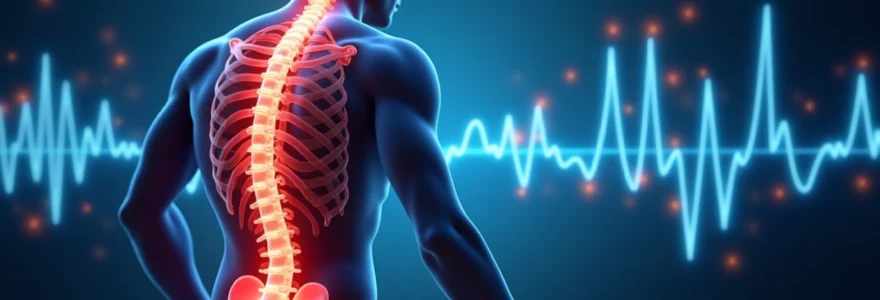
Experiencing pulsatile sensations in your back can be both concerning and perplexing. This phenomenon, whilst relatively uncommon, can stem from various physiological mechanisms ranging from benign muscular contractions to serious vascular pathologies. Understanding the underlying causes requires careful consideration of anatomical structures, including major blood vessels, spinal musculature, and neurological pathways that traverse the posterior torso. The sensation of rhythmic throbbing or pulsing in your back warrants proper medical evaluation, particularly when accompanied by other symptoms such as pain, numbness, or changes in blood pressure. Early recognition and appropriate assessment can help distinguish between harmless muscular fasciculations and potentially life-threatening conditions such as aortic aneurysms.
Vascular pulsations in the lumbar and thoracic regions
The posterior perception of vascular pulsations often originates from abnormalities within major arterial structures that course through the retroperitoneal space. These sensations can manifest as rhythmic throbbing that corresponds directly with your heartbeat, creating a disconcerting awareness of internal cardiovascular activity. The proximity of large vessels to posterior anatomical structures means that various pathological conditions can transmit pulsatile forces through intervening tissues, reaching sensory receptors in the back musculature and overlying skin.
Abdominal aortic aneurysm transmission through posterior abdominal wall
Abdominal aortic aneurysms represent one of the most serious causes of posterior pulsatile sensations, particularly in individuals over 65 years of age. When the aortic wall weakens and dilates beyond 3 centimetres in diameter, the resulting turbulent blood flow can create pronounced pulsations that transmit through the retroperitoneal tissues. These pulsations may become apparent as a rhythmic throbbing sensation in your lower back, often accompanied by deep abdominal discomfort. The risk factors include smoking history, hypertension, male gender, and family history of aneurysmal disease. Early detection through screening ultrasound is crucial , as rupture carries mortality rates exceeding 80% despite emergency surgical intervention.
The transmitted pulsations from an expanding aneurysm can vary in intensity depending on the aneurysm size and your body habitus. Thin individuals may notice these sensations more readily, whilst those with increased abdominal adiposity might remain asymptomatic until the aneurysm reaches considerable dimensions. The pulsations typically intensify during periods of elevated blood pressure or increased cardiac output, such as during physical exertion or emotional stress.
Renal artery stenosis and renovascular hypertension manifestations
Stenosis of the renal arteries can produce audible bruits and palpable pulsations that may be perceived as back discomfort or rhythmic sensations. This condition, affecting approximately 1-5% of hypertensive patients, results from atherosclerotic narrowing or fibromuscular dysplasia of the renal arterial system. The turbulent blood flow created by arterial narrowing generates vibrations that can be transmitted through surrounding tissues, potentially creating awareness of pulsatile activity in the flank or posterior lumbar regions.
Renovascular hypertension secondary to renal artery stenosis often presents with difficult-to-control blood pressure despite multiple antihypertensive medications. The pulsatile sensations may be accompanied by episodes of flash pulmonary oedema, particularly in cases of bilateral renal artery involvement. Doppler ultrasound assessment of renal blood flow provides non-invasive screening for this condition, though definitive diagnosis often requires computed tomographic angiography or magnetic resonance angiography.
Iliac artery ectasia and retroperitoneal vascular malformations
Ectasia or tortuosity of the iliac arterial system can create pulsatile sensations that radiate to the lower back and pelvis. These anatomical variants become more prevalent with advancing age and may be associated with generalised arterial degenerative changes. The dilated vessels can compress adjacent structures or create transmitted pulsations through the posterior pelvic musculature, resulting in rhythmic sensations that correlate with cardiac cycles.
Arteriovenous malformations within the retroperitoneal space, whilst rare, can produce high-flow states that generate pronounced pulsatile sensations. These congenital vascular abnormalities create direct connections between arterial and venous systems, bypassing normal capillary networks and producing turbulent, high-velocity blood flow. The resulting vibrations can be perceived as pulsing or throbbing sensations in the back, often accompanied by audible bruits detectable during physical examination.
Superior mesenteric artery syndrome posterior compression effects
Superior mesenteric artery syndrome, characterised by compression of the third portion of the duodenum between the aorta and superior mesenteric artery, can occasionally produce posterior pulsatile sensations. This condition typically affects individuals with significant weight loss or congenital anatomical variants that reduce the aortomesenteric angle. The compression creates increased pressures within the superior mesenteric arterial system, potentially generating transmitted pulsations through the posterior abdominal wall.
The symptoms of superior mesenteric artery syndrome extend beyond pulsatile sensations to include postprandial abdominal pain, nausea, and vomiting. The pulsatile component may intensify following meals when increased mesenteric blood flow exacerbates the compression dynamics. Diagnosis requires high clinical suspicion and specialised imaging studies, including CT angiography with multiplanar reconstructions to assess the aortomesenteric relationship.
Musculoskeletal fasciculation disorders causing rhythmic back sensations
Muscular fasciculations within the posterior thoracic and lumbar regions can create sensations that mimic vascular pulsations. These involuntary muscle contractions occur due to various physiological and pathological mechanisms, ranging from benign muscle fatigue to more serious neuromuscular disorders. The rhythmic nature of these contractions can be particularly concerning when they occur in synchrony with cardiac cycles, though they typically represent distinct pathophysiological processes from true vascular pulsations.
Paraspinal muscle spasm patterns in erector spinae complex
The erector spinae muscle group, comprising the iliocostalis, longissimus, and spinalis muscles, can develop rhythmic spasmodic contractions that produce pulsatile sensations along the vertebral column. These spasms often result from acute muscle strain, chronic postural abnormalities, or compensation for underlying spinal pathology. The contractions may occur in regular patterns that coincide with respiratory cycles or cardiac rhythms, creating the perception of internal pulsations.
Muscle spasms within the erector spinae complex frequently develop following periods of prolonged static positioning, such as extended computer work or manual labour activities. The metabolic demands of sustained muscle contraction can lead to local tissue hypoxia and accumulation of metabolic byproducts, triggering involuntary muscle contractions. Electromyographic studies can differentiate between true fasciculations and voluntary muscle contractions, providing valuable diagnostic information when clinical assessment remains uncertain.
Multifidus and rotatores muscle hyperexcitability syndromes
The deep spinal muscles, including the multifidus and rotatores, play crucial roles in segmental spinal stability and proprioceptive feedback. Hyperexcitability of these muscles can produce fine, rhythmic contractions that may be perceived as pulsating sensations deep within the back musculature. This phenomenon often accompanies spinal dysfunction or injury, as these muscles attempt to provide compensatory stabilisation for compromised spinal segments.
Research indicates that multifidus muscle dysfunction occurs commonly following acute low back pain episodes, with muscle inhibition and subsequent hyperexcitability patterns developing as compensatory mechanisms. The resulting fasciculations can persist long after the initial injury has healed, creating ongoing sensations of internal movement or pulsation. Targeted rehabilitation programmes focusing on motor control retraining can help restore normal muscle activation patterns and reduce these symptoms.
Thoracolumbar fascia tension and myofascial trigger point activity
The thoracolumbar fascia represents a complex network of connective tissue that interconnects various muscle groups throughout the posterior torso. Increased tension within this fascial system can create areas of localised hypersensitivity known as myofascial trigger points. These points can exhibit spontaneous electrical activity that produces rhythmic sensations or perceived pulsations within the affected tissue regions.
Myofascial trigger points develop through various mechanisms, including acute trauma, repetitive microtrauma, or sustained muscle tension. The resulting areas of hypercontractility can create referred pain patterns and altered sensory perception, including the sensation of internal pulsation or movement. Manual therapy techniques, including trigger point release and fascial mobilisation, can help reduce these symptoms by restoring normal tissue tension and eliminating areas of hyperexcitability.
Segmental spinal instability and compensatory muscle contractions
Segmental instability within the thoracic or lumbar spine can trigger compensatory muscle contractions as the neuromuscular system attempts to provide stability for hypermobile spinal segments. These compensatory contractions often occur in rhythmic patterns that may be perceived as pulsatile sensations, particularly during activities that challenge spinal stability such as forward bending or rotational movements.
The development of segmental instability typically follows degenerative changes within the intervertebral discs and facet joints, though it can also result from traumatic injury or congenital abnormalities. The compensatory muscle activity creates increased metabolic demands and can lead to muscle fatigue and subsequent fasciculation patterns. Dynamic imaging studies, including flexion-extension radiographs , can help identify areas of abnormal segmental motion and guide appropriate treatment interventions.
Neurological conditions producing pulsatile back sensations
Various neurological pathologies can manifest as pulsatile or rhythmic sensations within the posterior torso. These conditions affect different components of the nervous system, from peripheral nerve compression to central nervous system abnormalities. The perception of pulsation may result from altered nerve conduction, compression of neural structures, or abnormal sensory processing within the spinal cord or brainstem regions.
Lumbar radiculopathy with vascular component involvement
Lumbar radiculopathy commonly produces symptoms beyond typical nerve root compression patterns, occasionally manifesting as pulsatile or throbbing sensations within the affected dermatome distribution. This phenomenon may result from compression of small blood vessels that accompany nerve roots through neural foramina, creating areas of relative ischemia and altered nerve conduction. The resulting symptoms can include rhythmic pain patterns that correlate with cardiac cycles or respiratory movements.
Disc herniation represents the most common cause of lumbar radiculopathy, affecting approximately 2-3% of the population annually. When herniated disc material compresses both neural and vascular structures, the resulting symptom complex can include pulsatile sensations alongside traditional radicular symptoms such as leg pain and numbness. Advanced imaging studies, including magnetic resonance imaging with gadolinium enhancement, can identify areas of nerve root enhancement that suggest active inflammation or vascular compromise.
Sympathetic chain dysfunction and autonomic dysreflexia
The sympathetic chain ganglia, located along the anterolateral aspects of the vertebral bodies, can become dysfunctional due to various pathological processes. This dysfunction may produce altered autonomic regulation and create sensations of internal pulsation or throbbing within the back region. Conditions such as complex regional pain syndrome or sympathetically maintained pain can involve sympathetic chain abnormalities that manifest as unusual sensory phenomena.
Autonomic dysreflexia, typically associated with high-level spinal cord injuries, can produce episodes of uncontrolled sympathetic activation that create sensations of pulsation or throbbing throughout the torso. These episodes may be triggered by various stimuli below the level of injury and can result in dangerous elevations in blood pressure. The pulsatile sensations often accompany other autonomic symptoms such as sweating, flushing, and cardiac arrhythmias.
Spinal cord arteriovenous malformation pressure effects
Arteriovenous malformations within the spinal cord or surrounding dural structures can create high-flow vascular states that produce pulsatile sensations and progressive neurological symptoms. These lesions, whilst rare, can cause significant morbidity through mass effect, vascular steal phenomena, or hemorrhagic complications. The pulsatile sensations typically intensify with activities that increase blood flow, such as exercise or Valsalva manoeuvres.
Spinal arteriovenous malformations are classified into various subtypes based on their anatomical location and vascular architecture. Dural arteriovenous fistulae represent the most common type in adults and typically present with progressive myelopathy accompanied by back pain and sensory disturbances. Magnetic resonance angiography and conventional spinal angiography provide definitive diagnostic information and guide treatment planning for these complex lesions.
Cauda equina syndrome early neurological manifestations
Cauda equina syndrome represents a neurosurgical emergency characterised by compression of multiple lumbosacral nerve roots within the spinal canal. Early manifestations can include unusual sensory phenomena, including pulsatile sensations within the lower back and pelvis, before the development of classic symptoms such as bowel and bladder dysfunction. The compression typically results from large central disc herniations, spinal tumours, or severe spinal stenosis.
The early recognition of cauda equina syndrome is crucial, as delayed treatment can result in permanent neurological deficits. The pulsatile sensations may represent early signs of neural compromise and should prompt immediate medical evaluation when accompanied by bilateral leg symptoms, saddle anaesthesia, or changes in bowel or bladder function. Emergency magnetic resonance imaging is indicated to assess for compressive pathology and guide urgent surgical intervention.
Cardiac arrhythmias and referred pulsation patterns
Cardiac rhythm disturbances can occasionally manifest as pulsatile sensations in locations distant from the heart, including the posterior torso. This phenomenon occurs through various mechanisms, including referred sensation patterns, altered hemodynamic states, and heightened awareness of cardiac activity during arrhythmic episodes. The perception of cardiac pulsations in the back can be particularly pronounced during episodes of rapid heart rate or irregular rhythm patterns.
Atrial fibrillation, affecting approximately 2.7-6.1 million people in the United States, can create irregular pulsation patterns that may be perceived throughout the body, including the back region. The chaotic electrical activity within the atria produces irregular ventricular responses that create variable stroke volumes and subsequent pulsatile sensations. Patients often describe awareness of their heartbeat in unusual locations during episodes of atrial fibrillation, including the back, throat, and extremities.
The heightened awareness of cardiac activity during arrhythmic episodes can create sensations of pulsation in areas where heartbeat is not typically perceived, including the posterior torso and back musculature.
Ventricular tachycardia and other serious arrhythmias can produce profound alterations in cardiac output and peripheral perfusion, creating widespread pulsatile sensations throughout the body. The rapid heart rate associated with these rhythm disturbances often creates a sensation of internal vibration or pulsation that patients may localise to various body regions, including the back. These symptoms require immediate medical attention and cardiac monitoring to exclude life-threatening arrhythmias.
Premature ventricular contractions (PVCs), whilst generally benign in structurally normal hearts, can create pronounced pulsatile sensations due to the compensatory pause that follows each premature beat. This pause allows for increased ventricular filling, resulting in a subsequent normal beat with increased stroke volume that may be perceived as a strong pulsation. The location where these sensations are perceived can vary widely among individuals and may include the posterior chest or back region.
Diagnostic imaging protocols for posterior torso pulsations
The evaluation of pulsatile sensations in the back requires a systematic approach utilising various imaging modalities to exclude serious vascular and neurological pathology. The choice of initial imaging studies depends on the clinical presentation, patient age, risk factors, and associated symptoms. A comprehensive diagnostic workup typically begins with non-invasive imaging techniques and progresses to more specialised studies based on initial findings and clinical suspicion.
Doppler ultrasound represents the initial imaging modality of choice for evalu
ating suspected vascular abnormalities in the posterior torso. This non-invasive technique provides real-time assessment of blood flow patterns and can identify areas of turbulence or stenosis within major vessels. The examination typically focuses on the abdominal aorta, iliac arteries, and renal vessels, assessing both morphology and hemodynamic characteristics. Colour Doppler imaging enhances visualisation of flow patterns and can detect subtle abnormalities that might not be apparent on conventional ultrasound.
Computed tomography angiography (CTA) offers superior anatomical detail and three-dimensional reconstruction capabilities for evaluating complex vascular pathology. This modality proves particularly valuable when assessing for aortic aneurysms, arteriovenous malformations, or other structural abnormalities that might produce pulsatile sensations. The contrast enhancement allows for precise measurement of vessel diameters and identification of intraluminal thrombus or dissection planes that may not be visible with other imaging techniques.
Magnetic resonance imaging (MRI) provides excellent soft tissue contrast and multiplanar imaging capabilities without ionising radiation exposure. This modality proves particularly useful for evaluating neurological causes of posterior pulsations, including spinal cord abnormalities, nerve root compression, and paraspinal muscle pathology. Magnetic resonance angiography (MRA) can assess vascular structures whilst magnetic resonance neurography can evaluate peripheral nerve abnormalities that might contribute to unusual sensory phenomena.
Electromyographic studies play a crucial role when muscular fasciculations are suspected as the underlying cause of pulsatile sensations. These studies can differentiate between true fasciculations, voluntary muscle contractions, and movement artefacts. The examination typically includes both nerve conduction studies and needle electromyography to assess the functional integrity of the neuromuscular system and identify specific patterns of abnormal muscle activity.
Conservative management strategies for non-pathological back pulsations
When serious underlying pathology has been excluded through appropriate diagnostic evaluation, conservative management strategies can effectively address benign causes of posterior pulsatile sensations. These approaches focus on addressing contributing factors such as muscle tension, postural abnormalities, anxiety, and lifestyle factors that may exacerbate the perception of normal physiological processes. The success of conservative management depends on accurate identification of contributing factors and patient compliance with recommended interventions.
Stress reduction techniques form a cornerstone of conservative management, particularly when anxiety or heightened body awareness contributes to the perception of pulsatile sensations. Mindfulness meditation, progressive muscle relaxation, and cognitive behavioural therapy can help patients develop coping strategies and reduce their focus on internal bodily sensations. Regular practice of stress reduction techniques can significantly improve symptoms and prevent the cycle of anxiety that often accompanies unusual physical sensations.
Physical therapy interventions target musculoskeletal contributors to posterior pulsations, including muscle imbalances, postural dysfunction, and movement pattern abnormalities. Therapeutic exercises focusing on core stability, postural correction, and muscle relaxation can help reduce compensatory muscle contractions that might produce rhythmic sensations. Manual therapy techniques, including soft tissue mobilisation and trigger point release, can address areas of increased muscle tension and fascial restriction.
Lifestyle modifications play an important role in managing non-pathological pulsatile sensations. These may include optimising sleep quality, maintaining regular exercise patterns, and avoiding stimulants such as caffeine or nicotine that can increase awareness of cardiac activity. Ergonomic improvements in workplace and home environments can reduce postural stress and subsequent muscle tension that might contribute to unusual sensory phenomena.
Activity modification and pacing strategies help patients avoid triggering factors whilst maintaining normal functional levels. This might involve breaking up prolonged periods of static positioning, incorporating regular movement breaks throughout the day, and gradually increasing activity levels to improve overall fitness and reduce muscle fatigue. The goal is to maintain an active lifestyle whilst avoiding activities that consistently provoke symptoms.
Patient education represents a crucial component of conservative management, helping individuals understand the benign nature of their symptoms and develop appropriate coping strategies. Understanding the various physiological processes that can produce pulsatile sensations can reduce anxiety and prevent catastrophic thinking patterns that often accompany unusual physical symptoms. Regular follow-up appointments allow for monitoring of symptom progression and adjustment of management strategies as needed.
Pharmacological interventions may be considered in select cases where conservative measures prove insufficient. Muscle relaxants can help reduce excessive muscle tension that contributes to fasciculation patterns, whilst anti-anxiety medications may be appropriate when heightened anxiety significantly impacts quality of life. However, medication should be considered as an adjunct to, rather than replacement for, comprehensive conservative management approaches.
 Good health cannot be bought, but rather is an asset that you must create and then maintain on a daily basis.