
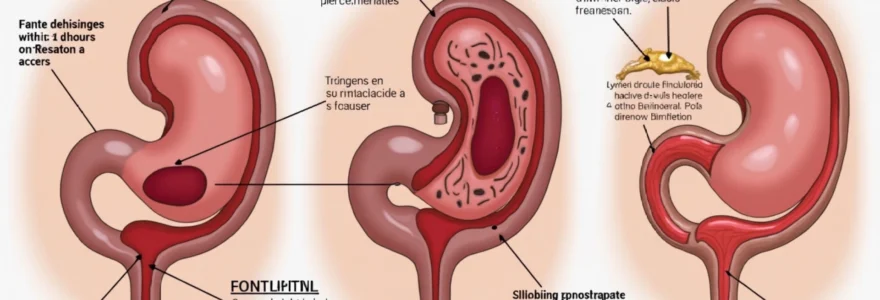
Hemorrhoidectomy, whilst being the definitive surgical treatment for severe hemorrhoidal disease, carries inherent risks that can significantly impact patient outcomes. Despite its high success rate, with studies indicating satisfaction rates exceeding 90%, complications can arise that transform what should be a straightforward recovery into a prolonged ordeal. Understanding these potential complications is crucial for both surgeons and patients, as early recognition and appropriate management can prevent minor issues from escalating into serious morbidities.
The complexity of anorectal anatomy, combined with the highly vascularised nature of hemorrhoidal tissue, creates unique challenges in post-operative healing. Modern surgical techniques have evolved considerably, yet complication rates remain a significant concern, particularly when considering the intimate nature of the procedure and its impact on essential bodily functions. Recognition of warning signs during the recovery period can mean the difference between a successful outcome and chronic disability.
Immediate Post-Operative complications following haemorrhoidectomy
The immediate post-operative period following hemorrhoidectomy presents numerous challenges that require vigilant monitoring and prompt intervention. These complications typically manifest within the first 48 hours after surgery and can significantly impact the patient’s recovery trajectory. Understanding the pathophysiology behind these immediate complications enables healthcare providers to implement preventive measures and respond effectively when problems arise.
Acute urinary retention and bladder dysfunction management
Acute urinary retention represents one of the most common immediate complications following hemorrhoidectomy, affecting approximately 15-25% of patients. This complication stems from a combination of factors including post-operative pain, spinal or epidural anaesthesia effects, and reflex inhibition of bladder function due to anal manipulation during surgery. The proximity of the surgical site to pelvic floor muscles creates additional complexity in managing this condition.
Patients at highest risk include elderly males with pre-existing prostatic enlargement, individuals who have received regional anaesthesia, and those experiencing severe post-operative pain. Early identification of urinary retention is crucial, as prolonged bladder distension can lead to detrusor muscle dysfunction and chronic voiding difficulties. Management strategies include catheterisation, alpha-blocker administration, and careful fluid balance monitoring.
Primary haemorrhage within 24 hours of Milligan-Morgan procedure
Primary haemorrhage occurring within the first 24 hours post-operatively affects approximately 2-4% of patients undergoing traditional hemorrhoidectomy techniques. This complication typically results from inadequate haemostasis during the initial procedure, slippage of ligatures, or coagulopathy. The Milligan-Morgan open technique, whilst effective for large hemorrhoids, carries a slightly higher risk of immediate bleeding compared to closed techniques.
Clinical presentation ranges from mild oozing to life-threatening haemorrhage requiring emergency intervention. Prompt recognition of excessive bleeding necessitates immediate assessment of haemodynamic stability and consideration of surgical re-exploration. Conservative management with pressure dressing and topical haemostatic agents may suffice for minor bleeding, whilst significant haemorrhage requires urgent return to theatre for direct vessel ligation.
Severe anal pain and inadequate analgesia protocols
Post-hemorrhoidectomy pain represents one of the most feared aspects of the procedure, with studies indicating pain scores of 7-9 out of 10 during the first 48 hours. The high density of sensory nerve endings in the anoderm makes this procedure particularly painful, often requiring multimodal analgesia protocols for adequate control. Inadequate pain management not only causes patient distress but can lead to secondary complications including urinary retention and defecation avoidance.
Modern pain management strategies incorporate regional anaesthetic techniques, non-steroidal anti-inflammatory drugs, and opioid-sparing protocols to minimise both pain intensity and medication-related side effects.
The implementation of enhanced recovery after surgery (ERAS) protocols has demonstrated significant improvements in pain control and overall patient satisfaction.
Gabapentinoids and topical anaesthetics have shown promise in reducing post-operative pain intensity and duration.
Wound dehiscence and suture line breakdown
Wound dehiscence following hemorrhoidectomy, whilst uncommon, can occur due to excessive tension on suture lines, infection, or patient factors such as chronic cough or straining. The Ferguson technique, which involves primary closure of the surgical site, carries a higher risk of dehiscence compared to open healing methods. Early recognition of suture line breakdown prevents progression to more serious complications such as abscess formation or chronic non-healing wounds.
Risk factors include diabetes mellitus, immunosuppression, smoking, and poor nutritional status. Careful surgical technique with minimal tension on closure sites and appropriate patient selection for closed versus open techniques reduces dehiscence rates. When dehiscence occurs, management depends on the extent of breakdown, ranging from conservative wound care to secondary surgical repair.
Faecal impaction and Post-Operative constipation complications
Post-operative constipation affects up to 40% of patients following hemorrhoidectomy, often leading to faecal impaction and subsequent complications. The combination of post-operative pain, opioid medications, dietary restrictions, and fear of defecation creates a perfect storm for constipation development. Prolonged constipation can result in faecal impaction, requiring manual disimpaction or enemas for resolution.
Prevention strategies include early mobilisation, adequate hydration, stool softeners, and dietary fibre supplementation. Patient education regarding the importance of maintaining regular bowel movements despite discomfort is crucial for preventing this complication. When impaction occurs, gentle digital disimpaction combined with phosphate enemas typically provides relief, though care must be taken to avoid trauma to healing tissues.
Delayed healing complications and wound management issues
Delayed healing complications present unique challenges in hemorrhoidectomy recovery, often manifesting weeks or months after the initial procedure. These complications can significantly prolong recovery time and may require additional interventions to achieve satisfactory outcomes. The complex healing environment of the anal canal, subject to bacterial contamination and mechanical trauma from defecation, creates conditions conducive to various healing disturbances.
Anal stenosis development following ferguson haemorrhoidectomy
Anal stenosis represents a serious long-term complication occurring in 1-7% of patients following hemorrhoidectomy, with higher rates observed after extensive tissue excision or circumferential procedures. The Ferguson technique, whilst providing excellent haemostasis through primary closure, can contribute to stenosis development if excessive tissue is excised or if healing occurs with significant scarring. Patients typically present with progressive difficulty in defecation, thin-calibre stools, and straining.
Prevention remains paramount through conservative tissue excision and preservation of anal canal elasticity. The surgeon must maintain adequate anoderm bridges between excision sites to prevent circumferential scarring. When stenosis occurs, treatment options range from digital dilatation and stool softeners for mild cases to formal sphincterotomy or advancement flaps for severe stenosis requiring surgical correction.
Chronic wound granulation and persistent discharge
Excessive granulation tissue formation can complicate wound healing, creating raised, friable tissue that bleeds easily and produces persistent discharge. This complication typically develops 2-4 weeks post-operatively and can significantly delay complete healing. The constant moisture and bacterial contamination in the anal environment contribute to abnormal granulation tissue formation, creating a cycle of inflammation and delayed epithelialisation.
Management involves debridement of excess granulation tissue, either through silver nitrate cautery or surgical trimming. Topical antimicrobial agents and barrier preparations help control bacterial overgrowth and protect healing tissues. Patients require education regarding proper hygiene techniques and the importance of keeping the area clean and dry to promote normal healing progression.
Secondary haemorrhage beyond 48 hours Post-Surgery
Secondary haemorrhage occurring beyond 48 hours post-operatively affects 1-3% of patients and typically results from infection, sloughing of necrotic tissue, or trauma to healing surfaces. Unlike primary haemorrhage, secondary bleeding often presents as recurrent episodes of bright red bleeding, particularly following bowel movements. The delayed nature of this complication can catch both patients and healthcare providers off-guard, particularly if the initial recovery appeared uncomplicated.
Risk factors include the use of non-steroidal anti-inflammatory drugs, which can impair platelet function, and patient factors such as chronic cough or constipation causing repeated trauma to healing sites.
Prompt evaluation of secondary haemorrhage is essential, as significant bleeding may require surgical intervention to identify and control the bleeding source.
Conservative management with topical haemostatic agents and activity restriction may suffice for minor bleeding episodes.
Delayed epithelialisation and tissue necrosis
Delayed wound epithelialisation can occur due to various factors including poor blood supply, infection, chronic inflammation, or patient-related factors such as diabetes or immunosuppression. Tissue necrosis, whilst uncommon, represents a serious complication that can result from excessive electrocoagulation, tight sutures compromising blood supply, or post-operative infection. These complications can significantly prolong healing time and may require debridement or secondary procedures.
Early recognition of compromised tissue viability enables prompt intervention to salvage viable tissue and prevent progression to deeper necrosis. Management strategies include debridement of necrotic tissue, antimicrobial therapy for associated infection, and optimisation of factors affecting wound healing such as glycaemic control and nutritional status. Advanced wound care techniques, including negative pressure therapy, may be beneficial in selected cases.
Functional complications and Long-Term sequelae
Functional complications following hemorrhoidectomy can have profound impacts on quality of life, affecting continence, sensation, and overall anorectal function. These complications may not become apparent until weeks or months after surgery, when initial healing has occurred but functional deficits persist. Understanding these potential long-term sequelae is crucial for appropriate patient counselling and surgical planning, particularly when considering the extent of tissue excision and choice of surgical technique.
Anal incontinence and sphincter dysfunction Post-Whitehead procedure
Anal incontinence represents one of the most devastating complications of hemorrhoidectomy, occurring in 1-3% of cases but with potentially life-altering consequences. The historical Whitehead procedure, involving circumferential excision of hemorrhoidal tissue, carries the highest risk of incontinence due to potential damage to the internal anal sphincter and disruption of the normal anatomy. Modern techniques emphasise sphincter preservation and selective tissue excision to minimise this risk.
Incontinence may manifest as loss of control for flatus alone or progress to faecal soiling and frank stool leakage. Careful assessment of sphincter integrity through clinical examination and, when indicated, anal manometry or endoanal ultrasound helps determine the extent of dysfunction and guide treatment options. Conservative management includes pelvic floor physiotherapy, dietary modifications, and bulking agents, whilst severe cases may require sphincter repair procedures.
Chronic anal fissures following excessive tissue excision
Chronic anal fissures can develop following hemorrhoidectomy, particularly when excessive tissue excision creates areas of tension or when post-operative constipation leads to passage of hard stools through healing tissues. These fissures typically develop at the margins of excision sites and present with severe pain during and after defecation, often accompanied by spasm of the internal anal sphincter. The pain associated with chronic fissures can be more severe than the original hemorrhoidal symptoms.
Prevention focuses on maintaining soft, formed stools through dietary modification and stool softeners, along with careful surgical technique that preserves adequate tissue bridges. Treatment of established fissures may require topical nitrates or calcium channel blockers to reduce sphincter spasm, whilst recalcitrant cases might necessitate lateral internal sphincterotomy to break the cycle of spasm and re-injury.
Persistent pruritus ani and perianal dermatitis
Persistent itching and perianal skin irritation can develop following hemorrhoidectomy due to various factors including altered anal canal anatomy, mucous discharge from healing wounds, or hypersensitivity to topical medications. The normal protective barrier function of the anal canal may be disrupted, leading to leakage of anal secretions and subsequent skin irritation. This complication can be particularly frustrating for patients who expected complete symptom resolution following surgery.
Management requires identification and elimination of potential irritants, maintenance of good perianal hygiene without over-cleansing, and use of barrier creams to protect the skin.
Patient education regarding proper cleansing techniques and avoidance of harsh soaps or excessive wiping is essential for symptom resolution.
Topical corticosteroids may provide temporary relief but should be used judiciously to avoid skin atrophy.
Recurrent haemorrhoidal disease after inadequate excision
Recurrence of hemorrhoidal symptoms following apparently successful hemorrhoidectomy can occur due to inadequate initial excision, progression of disease in untreated areas, or development of new hemorrhoidal tissue over time. True recurrence rates vary depending on surgical technique and follow-up duration, with studies reporting rates of 2-10% over five years. Patients may present with bleeding, prolapse, or pain similar to their original symptoms.
Thorough evaluation is required to distinguish true recurrence from other causes of anorectal symptoms such as anal fissures, skin tags, or inflammatory conditions. Management options include conservative measures for mild symptoms or repeat surgical intervention for significant recurrence. Prevention strategies focus on addressing underlying factors such as chronic constipation and maintaining good bowel habits post-operatively.
Infectious complications and septic sequelae
Infectious complications following hemorrhoidectomy, whilst relatively uncommon, can result in serious morbidity and potentially life-threatening conditions if not recognised and treated promptly. The anal canal’s rich bacterial environment, combined with compromised tissue integrity post-surgery, creates conditions conducive to infection development. The spectrum of infectious complications ranges from superficial wound infections to deep pelvic sepsis, each requiring specific management approaches and carrying different prognostic implications.
Superficial wound infections typically present within the first week post-operatively with increasing pain, erythema, and purulent discharge from the surgical site. These infections often respond well to topical antimicrobial therapy and improved wound hygiene. However, deeper infections can progress rapidly, involving the perirectal space and potentially leading to necrotising fasciitis or Fournier’s gangrene. Early recognition of systemic signs such as fever, malaise, and increasing white cell count is crucial for preventing progression to sepsis.
Abscess formation represents an intermediate stage between superficial infection and deep sepsis, typically presenting 5-14 days post-operatively with severe pain, swelling, and systemic symptoms. Perianal abscesses require prompt surgical drainage combined with antimicrobial therapy to prevent extension into deeper tissue planes. The choice of antimicrobial agents should cover both aerobic and anaerobic organisms commonly found in the gastrointestinal tract, with consideration for local resistance patterns and patient-specific factors such as allergies and renal function.
Pelvic sepsis, whilst rare, represents the most serious infectious complication with mortality rates of up to 50% if not treated aggressively. This condition typically develops following deep tissue infection that spreads through tissue planes into the pelvis, creating a life-threatening emergency.
Prompt recognition of pelvic sepsis through high clinical suspicion, imaging studies, and laboratory markers is essential for implementing life-saving interventions including aggressive antimicrobial therapy and surgical drainage.
Modern critical care support and multidisciplinary team approaches have improved outcomes, but prevention through meticulous surgical technique and appropriate prophylactic measures remains the best strategy.
Risk factors and Patient-Specific complication predictors
Understanding patient-specific risk factors for hemorrhoidectomy complications enables surgeons to stratify risk appropriately and implement targeted preventive strategies. Age represents a significant risk factor, with elderly patients experiencing higher rates of urinary retention, delayed healing, and functional complications compared to younger individuals. This increased risk stems from age-related changes in tissue healing capacity, reduced physiological reserve, and higher prevalence of comorbid conditions that can impact recovery.
Diabetes mellitus significantly impacts wound healing and infection risk, with diabetic patients experiencing complication rates up to three times higher than non-diabetic individuals. Poor glycaemic control compounds this risk, making pre-operative optimisation of blood sugar levels crucial for successful outcomes.
Similarly, patients with inflammatory bowel disease, particularly Crohn’s disease affecting the perianal region, face significantly elevated complication rates and may require modified surgical approaches or alternative treatments. Immunosuppressive medications, whether for autoimmune conditions or post-transplant care, impair normal wound healing mechanisms and increase susceptibility to infectious complications.
Obesity presents multifaceted challenges in hemorrhoidectomy outcomes, affecting both technical aspects of surgery and post-operative recovery. Obese patients experience higher rates of wound infection, delayed healing, and functional complications due to increased tissue tension, poor wound access for hygiene, and altered anatomy. Body mass index above 30 kg/m² correlates with prolonged operative times and increased anaesthetic risks, whilst post-operative positioning and wound care become more challenging.
Smoking represents a modifiable risk factor with profound impacts on surgical outcomes, reducing tissue oxygenation and impairing collagen synthesis essential for wound healing. Smokers experience complication rates nearly double those of non-smokers, with particular increases in wound dehiscence and delayed epithelialisation. Pre-operative smoking cessation, ideally for at least four weeks before surgery, can significantly improve outcomes, though complete cessation provides maximum benefit.
Previous anorectal surgery creates anatomical challenges and increases technical difficulty, potentially leading to higher complication rates. Scarring from prior procedures can distort normal anatomy, making tissue planes difficult to identify and increasing the risk of inadvertent sphincter injury. Careful pre-operative assessment through examination under anaesthesia and appropriate imaging can help identify potential technical challenges and guide surgical planning.
Patients with multiple risk factors may benefit from staged procedures or alternative treatment approaches to minimise complication risks whilst achieving therapeutic goals.
Management strategies for haemorrhoidectomy complications
Effective management of hemorrhoidectomy complications requires a systematic approach that addresses both immediate threats to patient safety and long-term functional outcomes. Early recognition through vigilant monitoring and patient education forms the foundation of successful complication management, whilst prompt intervention can prevent minor issues from progressing to serious morbidities. The management strategy must be tailored to the specific complication, its severity, and patient-specific factors that may influence treatment response.
For immediate post-operative complications such as urinary retention, a stepwise approach beginning with conservative measures often proves effective. Initial management includes adequate analgesia to reduce pain-induced sphincter spasm, alpha-blocker administration in appropriate candidates, and careful fluid balance optimisation. When conservative measures fail, intermittent catheterisation or short-term indwelling catheter placement provides relief whilst allowing natural function to recover as post-operative swelling subsides.
Primary haemorrhage management depends critically on severity assessment and haemodynamic stability. Minor bleeding may respond to topical haemostatic agents, pressure application, and activity restriction, whilst significant bleeding requires urgent surgical re-exploration. The decision to return to theatre should be made promptly when bleeding threatens haemodynamic stability or fails to respond to conservative measures within a reasonable timeframe, typically 2-4 hours.
Pain management strategies have evolved considerably, with multimodal approaches providing superior outcomes compared to traditional opioid-based regimens. Topical anaesthetics, gabapentinoids, and regional anaesthetic techniques can significantly reduce pain intensity whilst minimising opioid-related side effects such as constipation and urinary retention. Patient-controlled analgesia systems allow individualised pain control whilst maintaining safety through programmed limits and monitoring protocols.
Wound dehiscence management varies according to the extent of breakdown and presence of infection. Small areas of dehiscence may heal satisfactorily with conservative wound care, including regular cleaning, topical antimicrobials, and protection from contamination. Larger defects or those associated with infection may require debridement and consideration of secondary closure once infection has been controlled and healthy granulation tissue has formed.
Long-term complications such as anal stenosis require graduated management approaches. Mild stenosis may respond to digital dilatation, stool softeners, and dietary modification to maintain soft, formed stools. Progressive or symptomatic stenosis may require formal dilatation under anaesthesia or surgical intervention such as sphincterotomy or advancement flap procedures. Patient compliance with conservative measures often determines the success of non-surgical management, making patient education and support crucial components of treatment.
Functional complications, particularly incontinence, require comprehensive assessment to determine the underlying cause and appropriate treatment strategy. Conservative management through pelvic floor physiotherapy, dietary modification, and pharmacological agents provides improvement in many cases. Severe functional deficits may require surgical intervention, ranging from sphincter repair to more complex reconstructive procedures, depending on the specific anatomical defect identified.
The key to successful complication management lies in early recognition, prompt appropriate intervention, and ongoing patient support throughout the recovery process.
Prevention remains the most effective strategy for managing hemorrhoidectomy complications, emphasising careful patient selection, meticulous surgical technique, and comprehensive pre-operative optimisation. Risk stratification allows surgeons to counsel patients appropriately regarding expected outcomes and implement targeted preventive measures. Post-operative protocols should include clear instructions for patients, regular follow-up schedules, and accessible channels for reporting concerns or complications.
Modern approaches to complication management increasingly emphasise multidisciplinary care, involving surgeons, anaesthetists, wound care specialists, and allied health professionals as needed. This collaborative approach ensures comprehensive assessment and treatment of complex cases whilst providing patients with access to specialised expertise when complications arise. Continuous quality improvement initiatives help surgical teams identify patterns in complications and implement system-wide improvements to reduce future risks.
Patient education plays a crucial role in both prevention and early recognition of complications, empowering individuals to participate actively in their recovery process. Clear information about expected recovery milestones, warning signs requiring medical attention, and self-care strategies helps patients navigate the post-operative period more confidently. Regular communication between patients and healthcare providers facilitates early intervention when problems arise, potentially preventing serious complications from developing.
 Good health cannot be bought, but rather is an asset that you must create and then maintain on a daily basis.