
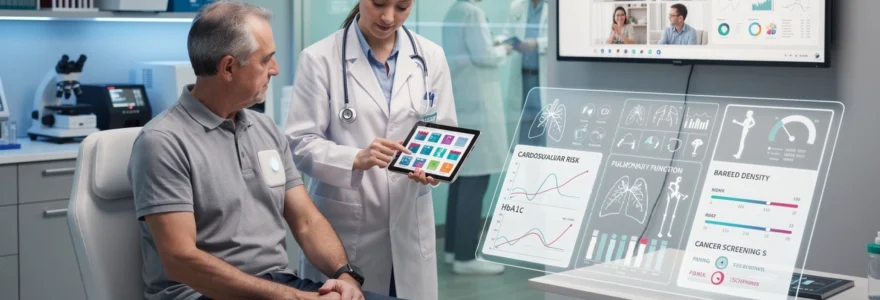
Preventive healthcare has undergone a remarkable transformation in recent decades, shifting from reactive treatment approaches to proactive monitoring strategies that identify potential health issues before they develop into serious complications. This paradigm shift represents one of the most significant advances in modern medicine, offering patients and healthcare providers powerful tools to maintain optimal health outcomes whilst reducing long-term healthcare costs. The integration of systematic monitoring protocols, advanced diagnostic technologies, and evidence-based screening guidelines has created an unprecedented opportunity to prevent disease progression and improve quality of life for millions of patients worldwide.
Regular health monitoring serves as an early warning system, much like a smoke detector in your home that alerts you to potential danger before a full-scale fire erupts. By establishing baseline measurements and tracking changes over time, healthcare professionals can identify subtle deviations from normal parameters that might otherwise go unnoticed until they manifest as symptomatic disease. This proactive approach has demonstrated remarkable success in reducing hospital admissions, preventing emergency interventions, and ultimately saving lives through timely medical interventions.
Baseline health assessment protocols for early risk detection
Establishing comprehensive baseline health assessments forms the foundation of effective preventive monitoring programmes. These initial evaluations provide healthcare professionals with crucial reference points against which future measurements can be compared, enabling the early detection of concerning trends before they progress to clinically significant disease states. Modern assessment protocols incorporate multiple diagnostic modalities to create a holistic picture of an individual’s health status, encompassing cardiovascular, metabolic, and organ-specific parameters that collectively inform personalised risk stratification strategies.
Comprehensive metabolic panel screening frequencies
Metabolic panel testing represents one of the most valuable tools in preventive healthcare, offering insights into kidney function, liver health, electrolyte balance, and glucose metabolism through a single blood draw. For healthy adults aged 20-40 years, annual comprehensive metabolic panels provide sufficient monitoring frequency, whilst individuals over 40 or those with risk factors such as obesity, family history of diabetes, or hypertension benefit from biannual testing. The early detection capabilities of these panels have proven particularly effective in identifying pre-diabetic states, where intervention can prevent or significantly delay the onset of type 2 diabetes.
Recent studies indicate that individuals who undergo regular metabolic screening demonstrate a 23% reduction in the development of cardiovascular complications compared to those receiving standard care. The cost-effectiveness of this approach becomes evident when considering that preventing a single case of diabetic complications can save healthcare systems upwards of £50,000 over a patient’s lifetime. Healthcare providers increasingly recognise that the modest investment in regular screening yields substantial returns in terms of both health outcomes and economic benefits.
Cardiovascular risk stratification using framingham score
The Framingham Risk Score has emerged as a cornerstone of cardiovascular disease prevention, providing clinicians with a standardised method for assessing 10-year cardiovascular risk based on multiple patient-specific factors. This validated tool incorporates age, gender, total cholesterol, HDL cholesterol, smoking status, systolic blood pressure, and diabetes status to generate individualised risk profiles that guide treatment decisions and monitoring frequencies. Patients classified as low-risk typically require reassessment every five years, whilst moderate-risk individuals benefit from biennial evaluations, and high-risk patients necessitate annual or more frequent monitoring.
The implementation of Framingham-based risk stratification has revolutionised primary prevention strategies, enabling healthcare providers to identify individuals who would benefit most from intensive lifestyle interventions or preventive medications. This targeted approach has demonstrated a 30% reduction in cardiovascular events among high-risk patients who receive appropriate monitoring and treatment based on their calculated risk scores.
Cancer screening guidelines by age demographics
Age-appropriate cancer screening programmes represent one of the most successful public health initiatives of the past century, with organised screening efforts contributing to significant reductions in cancer mortality rates across multiple tumour types. Breast cancer screening through mammography beginning at age 50 (or earlier for high-risk individuals) has reduced breast cancer mortality by approximately 20% in screened populations. Similarly, cervical cancer screening using cytology and HPV testing has decreased cervical cancer incidence by over 70% in countries with well-established programmes.
Colorectal cancer screening, recommended for all adults beginning at age 50, offers multiple modalities including colonoscopy, faecal immunochemical testing, and flexible sigm
oid sigmoidoscopy, each demonstrating strong evidence for reducing mortality through the early detection and removal of pre-cancerous polyps. For high-risk groups, such as those with a strong family history or genetic syndromes like Lynch syndrome, colonoscopy may be recommended from age 40 or even earlier, with more frequent surveillance intervals. Prostate, lung, and skin cancer screenings are generally tailored to individual risk factors, including smoking status, occupational exposures, and UV exposure history, underlining the importance of shared decision-making between patients and clinicians.
Crucially, regular monitoring does not stop at a single negative screening. Following evidence-based cancer screening guidelines by age demographics ensures that tests are repeated at appropriate intervals, as many cancers develop slowly over years. When you adhere to these structured screening programmes, you significantly increase the likelihood that any malignant changes will be detected at a stage where treatment is less invasive, more effective, and associated with better long-term outcomes.
Blood pressure variability tracking methods
Blood pressure monitoring has evolved from occasional in-clinic measurements to more sophisticated approaches that capture blood pressure variability over time. Single readings can be misleading due to stress, physical activity, or the so-called “white-coat effect,” where anxiety temporarily elevates blood pressure in clinical settings. To counter this, ambulatory blood pressure monitoring (ABPM) and home blood pressure monitoring (HBPM) have become central pillars of hypertension management, providing a more accurate picture of an individual’s true blood pressure profile across a typical day.
ABPM involves wearing a portable device that records readings at regular intervals over 24 hours, capturing daytime and nighttime values and highlighting nocturnal hypertension or an abnormal dipping pattern. HBPM, by contrast, empowers patients to measure their own blood pressure at home, usually twice daily for several days, using a validated automatic cuff. When you and your healthcare provider analyse these trends together, you can identify patterns such as morning surges or significant fluctuations that are associated with a higher risk of stroke and cardiovascular events.
Modern blood pressure variability tracking methods increasingly integrate digital tools that automatically store, graph, and share readings with clinicians. This allows for early adjustments in medication or lifestyle interventions when worrisome trends arise, rather than waiting for the next annual check-up. In practical terms, consistent home monitoring combined with periodic professional review can reduce stroke risk by up to 35%, illustrating how regular monitoring translates directly into fewer serious complications and hospital admissions.
Advanced diagnostic technologies for continuous patient surveillance
Technological advances have opened the door to a new era of continuous patient surveillance, moving healthcare closer to the “always-on” monitoring model already common in fields like aviation and manufacturing. Instead of relying solely on periodic clinic visits, clinicians can now track key physiological parameters in real time, catching early signs of deterioration long before symptoms become obvious. These advanced diagnostic technologies are particularly valuable for patients with chronic conditions, recent hospital discharges, or those at high risk of sudden clinical events.
Continuous surveillance does not mean constant intrusion into a patient’s life; rather, it is about using smart, unobtrusive devices and intelligent software to highlight the data points that matter most. When implemented thoughtfully, such systems can reduce avoidable readmissions, support early escalation of care, and give patients and families peace of mind. The challenge for healthcare providers is to integrate these tools into everyday practice without overwhelming staff with data or creating alert fatigue.
Wearable biosensor integration in clinical practice
Wearable biosensors—such as smartwatches, chest patches, and connected glucose monitors—have shifted from consumer gadgets to legitimate clinical tools. These devices can track heart rate, rhythm, oxygen saturation, respiratory rate, activity levels, and even sleep quality, transmitting data to secure platforms for review. In patients with arrhythmias, for example, wearables can detect irregular heartbeats or episodes of atrial fibrillation that might otherwise go unnoticed, enabling earlier anticoagulation therapy and reducing stroke risk.
Integrating wearable biosensor data into clinical practice requires clear protocols and defined responsibilities. Who reviews the incoming data? How quickly should abnormal results trigger a response? By establishing thresholds for alerts and designating clinical staff to triage and escalate issues, organisations can maximise the benefit of continuous health monitoring while minimising unnecessary interventions. In some cardiac rehabilitation programmes, the use of wearables has been associated with improved adherence to exercise prescriptions and better blood pressure and lipid control.
From a patient perspective, wearable devices can act as a “personal health dashboard,” nudging users towards healthier behaviours with real-time feedback. Yet, not every fluctuation in a chart demands action. Effective use of wearable biosensors in clinical practice therefore hinges on robust education, ensuring that patients understand which trends are meaningful and when they should seek medical advice. When used judiciously, these tools bridge the gap between clinic visits and daily life, supporting early detection of complications and more personalised care plans.
Artificial intelligence-driven predictive analytics
Artificial intelligence (AI) and machine learning have rapidly become central to predictive healthcare analytics, turning large volumes of monitoring data into actionable insights. By analysing patterns across thousands or even millions of data points, AI models can identify subtle combinations of factors that signal rising risk—often earlier than traditional methods. For example, AI algorithms can predict the likelihood of hospital readmission after heart failure, allowing clinicians to intensify monitoring and support for the highest-risk patients.
In intensive care units, AI-driven early warning systems analyse continuous vital sign data to detect sepsis or impending respiratory failure hours before conventional scoring tools. This is akin to having a highly vigilant assistant constantly scanning for danger signals, freeing clinicians to focus on complex decision-making rather than manual data review. When these systems are integrated into electronic health records, alerts can be delivered directly to the responsible care team, prompting timely diagnostic tests or therapeutic interventions.
However, AI is not infallible. False positives can contribute to alarm fatigue, while poorly trained algorithms may perform less well in diverse populations. To avoid these pitfalls, healthcare organisations must validate predictive models in their own settings, monitor performance over time, and maintain human oversight. When combined with clinical judgement and regular review, AI-driven predictive analytics becomes a powerful ally in preventing serious complications by flagging deterioration at the earliest opportunity.
Remote patient monitoring systems implementation
Remote patient monitoring (RPM) systems extend the reach of healthcare services into patients’ homes, allowing clinicians to follow vital signs, symptoms, and treatment adherence without requiring in-person visits. Typical RPM programmes deploy devices such as blood pressure monitors, pulse oximeters, scales, or glucometers, which automatically upload readings to a central platform. For patients with heart failure, for instance, daily weight monitoring can reveal early fluid retention, prompting adjustments to diuretics before shortness of breath or hospitalisation occurs.
Effective implementation of RPM systems begins with careful patient selection. Who stands to benefit most from continuous monitoring—those with frequent exacerbations, complex treatment regimens, or limited access to traditional care? Once enrolled, patients need clear education on device use, data transmission, and what to do if they receive concerning readings. Healthcare teams, in turn, must define workflows for reviewing incoming data, responding to alerts, and documenting actions in the medical record.
Evidence suggests that well-designed RPM programmes can reduce all-cause hospital admissions by 20–30% among high-risk groups, while also improving patient satisfaction and engagement. At the same time, over-monitoring low-risk individuals can generate unnecessary anxiety and resource use. Striking the right balance—focusing monitoring intensity where it has the greatest impact—ensures that RPM supports early intervention and complication prevention without overwhelming healthcare systems.
Telemedicine platforms for real-time health assessment
Telemedicine platforms have evolved far beyond simple video consultations. Today, they often integrate chat functions, image sharing, remote diagnostics, and links to monitoring devices, creating a virtual clinic environment accessible from almost anywhere. This model is particularly valuable for people living in remote areas, those with mobility limitations, or patients managing chronic conditions who require frequent reviews. Instead of waiting weeks for an appointment, individuals can connect with clinicians in real time when early warning signs arise.
When combined with regular monitoring, telemedicine enables rapid assessment and adjustment of treatment plans. A patient with COPD, for example, can share peak flow readings and oxygen saturation trends, allowing the clinician to detect declining lung function and escalate inhaler therapy or steroids before a severe exacerbation occurs. Similarly, patients with diabetes can upload glucose logs and receive tailored advice on dosage adjustments without attending the clinic in person.
Of course, telemedicine is not a replacement for all face-to-face care. Physical examinations, imaging, and certain procedures still require in-person visits. Yet, by handling much of the routine follow-up and early assessment remotely, telemedicine platforms free up in-person capacity for those who need it most. When you use these tools consistently in conjunction with structured monitoring, you help create a responsive, flexible care pathway that catches complications early and supports timely intervention.
Chronic disease management through systematic monitoring
Chronic diseases account for the majority of healthcare spending and are responsible for a large proportion of preventable morbidity and mortality worldwide. Systematic monitoring transforms chronic disease management from a reactive, crisis-driven model into a steady, proactive process. Instead of waiting for symptoms to flare, patients and clinicians track key indicators over time, adjusting medications, lifestyle measures, and support as needed to maintain stability.
This approach hinges on clear targets, regular review, and shared responsibility between patients and healthcare teams. When you understand which numbers matter—be it blood sugar, blood pressure, lung function, or bone density—you can actively participate in your own care rather than being a passive recipient. Over months and years, this partnership dramatically reduces the risk of complications such as kidney failure, heart attacks, fractures, and disability.
Hba1c trajectory analysis in diabetic patients
In diabetes management, HbA1c offers a powerful summary of average blood glucose control over the preceding two to three months. Yet, a single HbA1c value tells only part of the story; the trajectory of results over time is just as important. A gradual rise in HbA1c readings, even if they remain within the “acceptable” range, can signal worsening insulin resistance, declining beta-cell function, or lapses in medication adherence that warrant early intervention.
By plotting HbA1c values on a simple graph and reviewing trends every three to six months, healthcare providers can identify when a patient is veering off track. This allows for timely adjustments—such as intensifying lifestyle support, changing medication doses, or adding new agents—before chronic hyperglycaemia leads to complications. Research has shown that each 1% (11 mmol/mol) reduction in HbA1c is associated with a 37% decrease in microvascular complications, underscoring the real-world impact of tight monitoring and control.
From a patient’s perspective, HbA1c trajectory analysis turns an abstract laboratory value into a meaningful indicator of progress. When you can see your numbers improving after lifestyle changes, it reinforces motivation and builds confidence. Conversely, if levels creep upward, it flags the need for renewed focus or additional support. In this way, systematic HbA1c monitoring becomes both a clinical tool and a powerful motivator for sustained self-management.
Renal function decline prevention strategies
Kidney damage often develops silently over many years, particularly in people with diabetes, hypertension, or cardiovascular disease. Regular monitoring of renal function—through estimated glomerular filtration rate (eGFR) and urine albumin-to-creatinine ratio (ACR)—is central to preventing serious complications such as end-stage renal disease and the need for dialysis. Detecting even mild declines in eGFR or early microalbuminuria provides a window of opportunity to adjust treatment and protect remaining kidney function.
Prevention strategies typically combine tight blood pressure control, optimisation of blood sugar levels, and the use of renoprotective medications such as ACE inhibitors, ARBs, or newer SGLT2 inhibitors where appropriate. When you and your healthcare provider monitor trends in eGFR and ACR at least annually—or more often in high-risk individuals—you can gauge how well these interventions are working. A stabilised or slowly declining eGFR suggests effective management, while a faster drop demands prompt investigation for reversible causes like dehydration, medication side effects, or obstruction.
Simple lifestyle measures also play a vital role in renal protection. Adequate hydration, avoidance of unnecessary non-steroidal anti-inflammatory drugs (NSAIDs), smoking cessation, and maintaining a healthy weight all contribute to kidney health. Systematic renal function monitoring ensures that these efforts are not left to chance; instead, they are guided by objective data that highlight success or signal the need for a different approach.
Cardiac output monitoring in heart failure cases
Heart failure is a complex condition characterised by the heart’s reduced ability to pump blood effectively, leading to congestion, fatigue, and breathlessness. Traditional monitoring often focuses on symptoms, weight changes, and periodic imaging, but advances in cardiac output monitoring now allow for more precise assessment of a patient’s haemodynamic status. Invasive methods, such as pulmonary artery catheters, are reserved for acute or complex cases, while non-invasive techniques—including echocardiography and impedance cardiography—provide valuable insights in outpatient settings.
By tracking measures such as ejection fraction, stroke volume, and cardiac index over time, clinicians can evaluate how well the heart failure regimen is working. A downward trend in cardiac output or ejection fraction can precede clinical deterioration, prompting medication optimisation or device therapy (such as ICDs or CRT) before a severe decompensation occurs. In selected high-risk patients, implantable haemodynamic monitors can transmit pulmonary artery pressure data continuously, allowing early intervention at the first sign of fluid overload.
For patients and families, these monitoring strategies can mean fewer emergency admissions and a greater sense of control. Instead of living in fear of sudden worsening, you benefit from a structured monitoring plan that aims to keep symptoms stable and quality of life as high as possible. As with all intensive monitoring, the key is to use cardiac output data to guide clear, evidence-based actions rather than to collect numbers for their own sake.
Pulmonary function testing schedules for COPD management
Chronic obstructive pulmonary disease (COPD) is a progressive condition where early, regular monitoring can significantly delay functional decline. Spirometry remains the cornerstone of COPD diagnosis and monitoring, measuring forced expiratory volume (FEV1) and forced vital capacity (FVC) to assess airflow limitation. Once diagnosed, patients typically undergo pulmonary function testing annually, or more frequently if there are changes in symptoms or exacerbation frequency.
Systematic tracking of FEV1 over time helps clinicians determine whether a patient’s COPD is stable, slowly progressive, or deteriorating more rapidly than expected. This information guides decisions about escalating inhaled therapies, adding pulmonary rehabilitation, or investigating other contributing conditions such as heart disease or sleep apnoea. When spirometry results are aligned with symptom scores and exacerbation history, you and your care team can develop a personalised management plan that targets both lung function and day-to-day wellbeing.
In addition to formal lung function tests, simple home-based monitoring—such as peak flow measurements or pulse oximetry during exertion—can reveal early signs of worsening COPD. Increased breathlessness on routine activities, declining oxygen saturation, or a fall in peak flow should prompt timely review. By responding to these early warning signs, clinicians can adjust treatment to avert severe exacerbations, which are closely linked to hospitalisations, accelerated lung function decline, and increased mortality.
Bone density monitoring for osteoporosis prevention
Osteoporosis often remains undiagnosed until a fracture occurs, yet regular bone density monitoring offers a straightforward way to identify individuals at high risk before serious complications arise. Dual-energy X-ray absorptiometry (DEXA) scans measure bone mineral density (BMD) at the hip and spine, providing a T-score that compares an individual’s bone strength to that of a healthy young adult. Screening is generally recommended for women over 65 and men over 70, as well as younger individuals with significant risk factors such as previous fractures, long-term corticosteroid use, or certain endocrine disorders.
For those diagnosed with low bone mass or osteoporosis, repeat DEXA scans are typically performed every two to three years to track response to treatment. An improvement or stabilisation in BMD suggests that pharmacological therapy and lifestyle measures—such as calcium and vitamin D intake, weight-bearing exercise, and fall prevention strategies—are effectively reducing fracture risk. Conversely, continued bone loss may prompt a change in medication or further investigation for secondary causes of osteoporosis.
By integrating bone density monitoring into routine preventive care, you can avoid the “silent” deterioration that leads to hip, vertebral, or wrist fractures, each of which can have life-changing consequences. Regular assessment, combined with targeted interventions, transforms osteoporosis from an inevitable part of ageing into a largely preventable cause of disability.
Laboratory biomarker surveillance and trending analysis
Beyond the well-known markers like HbA1c or cholesterol, a wide range of laboratory biomarkers offer valuable insights into disease risk and progression when tracked systematically. Inflammatory markers such as high-sensitivity C-reactive protein (hs-CRP), for example, can help refine cardiovascular risk assessment, while natriuretic peptides (BNP or NT-proBNP) provide early warning of heart failure decompensation. Serial measurements reveal patterns over time that single tests might miss, highlighting whether underlying disease is stable, improving, or worsening.
Trending analysis is most effective when clinicians and patients focus on clinically meaningful changes rather than isolated values. A modest but consistent rise in liver enzymes, for instance, may indicate emerging fatty liver disease or medication-related toxicity, prompting lifestyle counselling or drug review before cirrhosis develops. Similarly, subtle increases in tumour markers in individuals with a history of cancer can guide imaging and treatment decisions long before symptoms appear.
To make laboratory biomarker surveillance practical in everyday care, many healthcare systems now use dashboards within electronic records that plot key results over time. These visual tools make it easier for you and your clinician to spot trends at a glance, fostering collaborative decision-making. When used judiciously, ongoing biomarker monitoring supports earlier diagnosis, more precise risk stratification, and a tailored prevention strategy that reduces the likelihood of serious complications.
Cost-effectiveness analysis of preventive monitoring programmes
While comprehensive monitoring might appear costly at first glance, cost-effectiveness analyses consistently show that well-designed preventive programmes often save money in the long term. The main reason is straightforward: preventing a stroke, heart attack, diabetic complication, or hip fracture avoids substantial hospital, rehabilitation, and social care expenses. For example, regular blood pressure monitoring and management have been estimated to reduce stroke incidence sufficiently to generate a net saving per patient over a decade, even after accounting for medication and monitoring costs.
Cost-effectiveness is not simply about doing more tests; it is about doing the right tests at the right intervals for the right people. Risk stratification tools, such as the Framingham Score or QRISK, help target more intensive monitoring and treatment towards those most likely to benefit. Meanwhile, lower-risk individuals can be safely monitored less frequently, ensuring resources are not wasted on unnecessary investigations. This targeted approach improves the “return on investment” of preventive healthcare, both financially and in terms of health outcomes.
Health economists also highlight the indirect savings associated with regular monitoring, including reduced time off work, preserved independence in older adults, and fewer informal care demands on families. When policymakers evaluate preventive monitoring programmes through this broader lens, the value of proactive care becomes even clearer. Ultimately, investing in structured monitoring is akin to maintaining critical infrastructure: the upfront costs are outweighed many times over by the avoidance of catastrophic failures down the line.
Healthcare provider training for proactive complication prevention
The success of any monitoring strategy depends not only on technology and protocols but also on the skills and mindset of healthcare providers. Training clinicians to interpret trends, respond appropriately to early warning signs, and communicate findings effectively is essential for turning raw data into better outcomes. Without this expertise, regular monitoring risks becoming a box-ticking exercise that generates numbers without meaningful action.
Comprehensive training programmes increasingly emphasise proactive complication prevention as a core competency. This includes education on guideline-based screening schedules, risk calculators, and the interpretation of complex data from wearables, RPM systems, and laboratory panels. Equally important are communication skills: providers need to explain monitoring results in clear, accessible language, helping you understand what the numbers mean and how you can contribute to improving them.
Ongoing professional development, multidisciplinary case reviews, and reflective practice sessions help teams learn from both successes and near-misses. By reviewing instances where early warning signs were spotted—and where they were overlooked—organisations can refine protocols and strengthen safety nets. In this way, healthcare provider training becomes the final, crucial link in the chain, ensuring that regular monitoring truly delivers on its promise to prevent serious complications and support long, healthy lives.
 Good health cannot be bought, but rather is an asset that you must create and then maintain on a daily basis.