
# How stress can show up on your skin and what to do about it
Your skin is more than just a protective barrier—it’s a dynamic organ that responds rapidly to internal and external pressures. When you’re navigating demanding work deadlines, personal challenges, or ongoing anxiety, your skin often serves as a visible barometer of your mental state. The connection between psychological stress and dermatological health is not merely anecdotal; it’s grounded in robust scientific evidence that demonstrates how stress hormones trigger a cascade of physiological changes affecting everything from oil production to immune function. Understanding this intricate relationship empowers you to take proactive steps toward maintaining both mental wellbeing and radiant skin, even during life’s most challenging periods.
The psychodermatological connection: how cortisol and stress hormones affect skin physiology
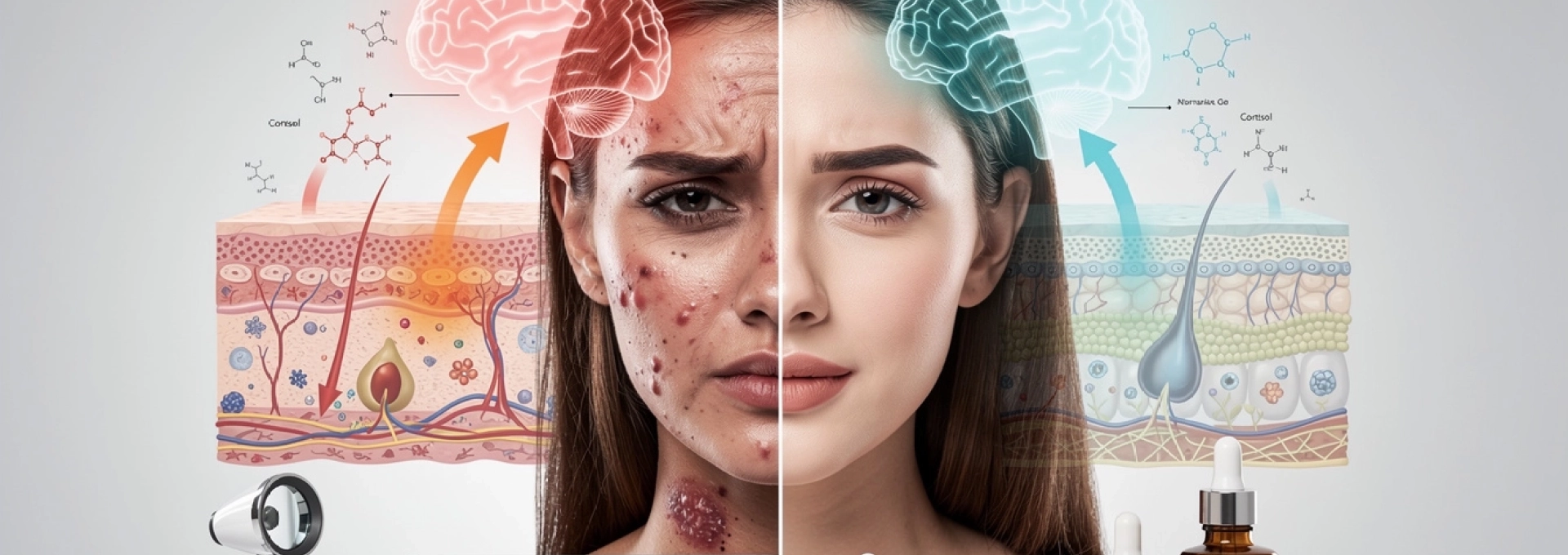
The emerging field of psychodermatology examines the bidirectional relationship between psychological states and skin conditions. When you experience stress, your hypothalamic-pituitary-adrenal (HPA) axis activates, releasing cortisol and other glucocorticoids into your bloodstream. These stress hormones don’t simply remain in your brain—they circulate throughout your body, binding to receptors in skin cells and triggering profound physiological changes. Cortisol stimulates sebaceous glands to produce excess sebum, the oily substance that can clog pores and create an ideal environment for acne-causing bacteria. Simultaneously, elevated cortisol levels suppress the production of hyaluronic acid and other natural moisturizing factors, compromising your skin’s ability to retain water and maintain proper hydration.
The relationship between stress and skin extends beyond simple hormonal fluctuations. Catecholamines such as adrenaline and noradrenaline, released during acute stress responses, cause vasoconstriction in peripheral blood vessels. This reduces nutrient and oxygen delivery to your skin cells, resulting in that characteristic dull, tired complexion many people notice during stressful periods. Research published in dermatological journals indicates that chronic stress can increase levels of neuropeptides like substance P, which directly stimulate inflammatory pathways in the skin. These neuropeptides also enhance mast cell degranulation, releasing histamine and other inflammatory mediators that contribute to redness, itching, and hypersensitivity.
What makes this connection particularly significant is its cyclical nature. Visible skin problems often generate additional psychological stress, creating a feedback loop that perpetuates both conditions. Studies examining patients with chronic dermatological conditions reveal that approximately 30-40% report stress as a primary trigger for flare-ups. This bidirectional relationship means that addressing stress isn’t just beneficial for your mental health—it’s a legitimate therapeutic strategy for managing persistent skin concerns. The skin-brain axis operates continuously, with neurotransmitters and immune signalling molecules traveling in both directions, making psychological interventions surprisingly effective adjuncts to traditional dermatological treatments.
Stress-induced dermatological conditions: clinical manifestations and diagnostic criteria
Stress doesn’t manifest identically across all individuals; genetic predisposition, environmental factors, and existing skin conditions all influence how your skin responds to psychological pressure. Dermatologists increasingly recognize stress as a legitimate exacerbating factor for numerous skin conditions, with some patients experiencing their first symptoms during particularly demanding life periods. The clinical presentation varies considerably depending on individual vulnerability and the chronicity of stress exposure.
Acne vulgaris Flare-Ups: the role of neuropeptides and sebaceous gland hyperactivity
Stress-induced acne presents distinct characteristics that differentiate it from hormonal or bacterial acne. When you’re under sustained pressure, your body releases corticotropin-releasing hormone (CRH), which directly stimulates sebocytes—the cells responsible for sebum production. This increase in sebum creates a lipid-rich environment where Cutibacterium acnes bacteria thrive, leading to inflammatory papules and pustules. Clinical observations show that stress-related breakouts typically cluster around the jawline, chin, and lower cheeks, areas particularly dense with sebaceous glands responsive to stress hormones.
Beyond increased oil production, stress triggers the release of
neuropeptides such as substance P and neuropeptide Y, which amplify local inflammation and increase blood flow to the follicle unit. This neurogenic inflammation can make lesions more tender, more erythematous, and slower to resolve. From a clinical standpoint, dermatologists often see patients whose acne severity correlates with exam periods, work peaks, or major life changes, even when their skincare routine has not changed. Recognizing this pattern helps distinguish stress acne from purely hormonal flares and underscores the importance of incorporating stress reduction strategies alongside topical and systemic acne therapies.
Diagnostic criteria for stress-exacerbated acne are largely clinical and based on timing, distribution, and associated lifestyle factors. A dermatologist will typically evaluate lesion type (inflammatory versus comedonal), distribution on the face and trunk, and the temporal relationship between flare-ups and identifiable stressors. While there is no specific laboratory test for “stress acne,” comorbid conditions such as sleep disturbance, anxiety, and gastrointestinal upset often coexist. If you notice that your breakouts worsen predictably during stressful periods, tracking these patterns in a simple diary can provide useful information for your dermatologist and help tailor a more holistic treatment plan.
Atopic dermatitis and eczema exacerbation: disrupted skin barrier function during chronic stress
For individuals with atopic dermatitis or other forms of eczema, chronic stress can be a potent trigger for flare-ups. Prolonged activation of the HPA axis alters the release of cytokines and impairs the skin’s ability to synthesize key lipids like ceramides and cholesterol. This disruption weakens the stratum corneum, making it more permeable to allergens and irritants and less able to retain moisture. You may notice that during stressful times, your skin feels tighter, itchier, and more reactive, with patches of erythema and scaling that appear in typical atopic areas such as the flexural surfaces, neck, and eyelids.
Clinically, stress-related eczema flares often present with intense pruritus that worsens at night, leading to scratching and further barrier damage. The “itch-scratch cycle” is particularly relevant here: stress heightens itch perception, and scratching temporarily relieves anxiety while mechanically injuring the skin, which then becomes more inflamed. Dermatologists diagnose atopic dermatitis using established criteria such as those from the American Academy of Dermatology, which include chronic or relapsing dermatitis, typical morphology and distribution, and a personal or family history of atopy. When flare patterns line up closely with stressful events and there is no change in allergens or topical products, stress becomes a key factor to address in your management plan.
Psoriasis triggers: t-cell activation and inflammatory cytokine release patterns
Psoriasis is a chronic, immune-mediated disease in which psychological stress plays a well-documented triggering and exacerbating role. Stress influences the activity of T helper cells (particularly Th1 and Th17 subsets) and upregulates pro-inflammatory cytokines such as TNF-α, IL-17, and IL-23. These signalling molecules accelerate keratinocyte proliferation and hinder normal differentiation, leading to the characteristic thick, scaly plaques. Think of it as your immune system’s thermostat being turned up too high in response to stress, causing your skin cells to “overreact” and multiply much faster than they should.
In clinical practice, many patients report that major life events—bereavement, job loss, relationship breakdowns—precede the onset or worsening of psoriasis. Dermatologists diagnose psoriasis based on well-demarcated erythematous plaques with silvery scales, often on the scalp, elbows, knees, and lower back, and may perform a skin biopsy if the presentation is atypical. When evaluating stress-related psoriasis, your dermatologist may ask detailed questions about work pressures, sleep, and mood to identify patterns that could influence treatment success. Integrating systemic therapies (such as biologics) with stress management techniques often yields better long-term control than addressing the skin alone.
Rosacea and facial flushing: vasodilation mechanisms linked to stress response
Rosacea is another condition where stress and skin are closely intertwined. During emotional stress, the sympathetic nervous system stimulates vasodilation in facial blood vessels, particularly in genetically predisposed individuals. Neuropeptides and catecholamines increase vascular reactivity, making capillaries more likely to dilate and remain dilated, which leads to persistent erythema and episodic flushing. You might notice that even minor stressors—speaking in public, difficult conversations, or time pressure—cause your face to feel hot, flushed, and more sensitive than usual.
Diagnostic criteria for rosacea include central facial redness, visible telangiectasias, papules and pustules, and in some cases ocular symptoms like dryness and irritation. Stress-related flares often occur alongside other triggers such as heat, alcohol, or spicy foods, which further enhance vasodilation. Dermatologists distinguish rosacea from acne by the absence of comedones and the prominence of flushing and visible vessels. If you live with rosacea, learning to recognize emotional triggers and adopting calming practices—such as controlled breathing before stressful events—can reduce the frequency and intensity of flares when combined with prescription topicals or oral medications.
Telogen effluvium: stress-related hair loss and follicle cycle disruption
Hair follicles are highly sensitive mini-organs that respond rapidly to systemic stress signals. In telogen effluvium, a significant physical or emotional stressor pushes a disproportionate number of anagen (growing) hairs into the telogen (resting) phase. Approximately two to three months later, these hairs shed, producing noticeable diffuse thinning across the scalp. Many people first see increased hair on their pillow, in the shower drain, or on their hairbrush and only then recall a major stressful event—such as illness, surgery, childbirth, or acute psychological trauma—several months prior.
Clinically, telogen effluvium presents as generalized shedding without obvious bald patches, and the scalp usually appears normal on examination. A dermatologist may perform a gentle “hair pull test” and review your medical history, recent medications, and life events to pinpoint potential triggers. Laboratory tests can help exclude other causes such as iron deficiency or thyroid dysfunction. The reassuring news is that stress-related telogen effluvium is often reversible once the underlying trigger is addressed and hair follicles re-enter the growth phase. However, because hair cycles operate on a delay, it can take six to twelve months before you see clear improvement, making patience and consistent stress management crucial components of recovery.
Inflammation cascade: how chronic stress compromises the stratum corneum and epidermal integrity
What actually happens at the microscopic level when your skin is “stressed out”? Chronic psychological stress initiates an inflammation cascade that directly compromises the structure and function of the stratum corneum—the outermost layer of the epidermis. Elevated cortisol downregulates genes involved in lipid synthesis and impairs the formation of the intercellular “mortar” that holds corneocytes (the “bricks”) together. When this barrier is weakened, transepidermal water loss (TEWL) increases, allowing moisture to escape and irritants, allergens, and microbes to penetrate more easily. The result is skin that feels dry, tight, and more reactive, even if you are using the same products as before.
In addition to barrier disruption, chronic stress alters the skin’s immune surveillance by affecting Langerhans cells, mast cells, and other resident immune cells. Pro-inflammatory cytokines and reactive oxygen species (ROS) accumulate, further damaging cellular structures and DNA. This inflammatory milieu delays wound healing, meaning that blemishes, cuts, and irritant reactions take longer to resolve. Research shows that individuals under chronic stress can have up to 40% slower wound healing compared with those under minimal stress. Over time, the persistent low-grade inflammation associated with a compromised barrier contributes to premature aging, uneven texture, and increased susceptibility to chronic dermatological conditions.
Evidence-based topical interventions for stress-related skin damage
Because stress exerts such profound effects on the skin barrier and inflammatory pathways, choosing the right topical interventions is essential. The goal is twofold: to calm inflammation and to rebuild structural integrity. Modern dermatology has embraced ingredients that modulate stress responses at the skin level, from adaptogens that target stress-induced signalling to barrier-repair agents that restore lipids and hydration. Think of your skincare routine as localized first aid for stress: while lifestyle changes work on the internal drivers, targeted topicals help your skin cope with and recover from cortisol’s impact.
Adaptogens in skincare: ashwagandha, rhodiola, and ginseng extract applications
Adaptogens are plant-derived compounds traditionally used to help the body adapt to physical and emotional stress. In skincare, extracts of ashwagandha, rhodiola, and ginseng are increasingly incorporated into serums and moisturizers aimed at “stressed skin.” These botanicals contain bioactive molecules that can modulate cortisol production locally, reduce oxidative stress, and support microcirculation. For example, ginseng extracts have been shown in laboratory studies to enhance collagen synthesis and protect against UV-induced damage, while ashwagandha’s withanolides may help reduce inflammation and support barrier repair.
How do you know if an adaptogen-infused product is right for you? If your primary concern is dullness, fatigue lines, or sensitivity that worsens during busy periods, these formulations may offer targeted support. However, it’s important to remember that adaptogens are adjuncts, not stand-alone cures. Look for products from reputable brands with clear percentage disclosures and avoid formulas that combine multiple potent actives if your skin is already irritated. When introducing adaptogens, patch testing on a small area for a few days can help you gauge your skin’s response before applying them more broadly.
Niacinamide and ceramide formulations: restoring the lipid barrier under stress
Niacinamide (vitamin B3) and ceramides are cornerstone ingredients for repairing a stress-compromised skin barrier. Niacinamide supports the synthesis of ceramides and free fatty acids, reduces TEWL, and exerts anti-inflammatory effects that calm redness and irritation. Ceramides themselves act as key structural lipids that fill the spaces between corneocytes, much like mortar stabilizes bricks in a wall. When stress diminishes natural lipid production, applying these ingredients topically can help restore barrier function and improve resilience.
For most people experiencing stress-related dryness, sensitivity, or flare-ups of conditions like eczema or rosacea, a fragrance-free moisturizer containing ceramides and 2–5% niacinamide is an excellent foundation. Using such a product consistently—especially after cleansing, when the skin is slightly damp—helps lock in hydration and support overnight repair processes. Have you ever noticed that your skin feels less reactive when you simplify your routine? This is because barrier-focused formulas, rather than harsh exfoliants, give your skin the breathing space it needs to recover from stress-induced damage.
Antioxidant serums: vitamin C, resveratrol, and ferulic acid for cortisol-induced oxidative stress
Oxidative stress is a major downstream effect of chronic psychological stress, and antioxidants are your skin’s primary defense. Vitamin C (ascorbic acid), resveratrol, and ferulic acid are among the most studied topical antioxidants for combating free radical damage. Vitamin C supports collagen synthesis, brightens hyperpigmentation, and neutralizes ROS generated by UV exposure and inflammation. Resveratrol, a polyphenol found in grapes and berries, exhibits anti-inflammatory and anti-aging properties, while ferulic acid stabilizes other antioxidants and enhances their efficacy.
Incorporating an antioxidant serum into your morning routine can provide a protective shield against both environmental and stress-related aggressors. Apply a few drops after cleansing and before moisturizing, allowing it to absorb fully before sunscreen. If you have sensitive or compromised skin, starting with lower concentrations or derivative forms (such as magnesium ascorbyl phosphate instead of pure L-ascorbic acid) may reduce the risk of irritation. Over time, consistent antioxidant use can improve overall tone and texture, helping your complexion maintain a healthier, more luminous appearance even when life is demanding.
Probiotic skincare: lactobacillus and bifidobacterium for microbiome restoration
The skin microbiome—your skin’s community of bacteria, fungi, and other microorganisms—plays a crucial role in barrier function and immune regulation. Chronic stress can disrupt this delicate ecosystem, favoring pathogenic species and reducing microbial diversity. Probiotic and “postbiotic” skincare aims to support a healthier microbiome using ingredients derived from beneficial strains like Lactobacillus and Bifidobacterium. These components can help lower surface pH, strengthen the barrier, and modulate local immune responses, leading to less inflammation and improved tolerance.
Topical probiotics are particularly promising for conditions characterized by barrier dysfunction and inflammation, such as acne, eczema, and rosacea. While research is still emerging, early studies suggest that probiotic-infused creams and serums can reduce erythema and improve moisture levels. When choosing microbiome-friendly skincare, look for products that avoid high levels of alcohol and harsh surfactants, which can undermine any probiotic benefits. As with internal probiotics, consistency is key; it may take several weeks to notice a visible difference as your skin’s ecosystem gradually rebalances.
Systemic stress management protocols for dermatological health
Topical treatments are only one half of the equation; to truly address stress-related skin problems, we need to look at systemic stress management. Because the brain-skin axis is bidirectional, interventions that calm your nervous system can translate into calmer, clearer skin. Think of managing stress like adjusting the lighting in a room: when the glare is softened, everything appears more balanced and less harsh. Evidence-based approaches such as cognitive behavioural therapy, mindfulness practices, sleep optimization, nutrition, and exercise all play a role in modulating stress hormones and inflammatory pathways that impact your skin.
Cognitive behavioural therapy (CBT) and mindfulness-based stress reduction (MBSR) outcomes
Cognitive behavioural therapy and mindfulness-based stress reduction are two of the most researched psychological interventions for chronic stress and anxiety. CBT helps you identify and reframe unhelpful thought patterns, reducing the emotional intensity of stressors and improving coping skills. MBSR, which combines meditation, gentle movement, and body awareness, teaches you to observe thoughts and sensations without judgment. Clinical studies have shown that both approaches can lower cortisol levels, improve quality of life, and even reduce the severity of conditions like psoriasis and atopic dermatitis.
From a dermatological perspective, patients who participate in CBT or MBSR programs often report fewer flare-ups, better adherence to treatment plans, and improved self-esteem. For example, in some trials, guided relaxation and mindfulness practices were associated with faster clearing of psoriatic plaques when used alongside standard therapies. If your skin condition is tightly linked to emotional triggers, asking your healthcare provider about referrals to a psychologist or structured mindfulness course could be a valuable step. Integrating mental health support into your skincare journey reinforces the idea that you are treating the whole person, not just isolated symptoms on the surface.
Sleep hygiene optimisation: circadian rhythm regulation for skin regeneration
Sleep is when your skin performs much of its repair and regeneration, making good sleep hygiene a non-negotiable component of stress-related skin care. Chronic stress often disrupts circadian rhythms, leading to difficulty falling asleep, frequent awakenings, or non-restorative sleep. When you are sleep-deprived, cortisol levels remain elevated for longer, collagen production declines, and antioxidant defenses are weakened. Visually, this shows up as dullness, fine lines, under-eye circles, and slower healing of breakouts or irritations.
Optimizing sleep hygiene involves regular bed and wake times, limiting blue light exposure before bed, creating a cool, dark sleep environment, and avoiding heavy meals, caffeine, or alcohol late in the evening. Simple practices such as a 10-minute wind-down routine—gentle stretching, reading, or deep breathing—signal to your nervous system that it’s time to shift into rest mode. Have you ever noticed how even one or two nights of better sleep can make your skin look fresher and more even-toned? That’s your circadian rhythm doing its job, coordinating hormonal signals and cellular repair processes that keep your skin functioning at its best.
Nutritional interventions: omega-3 fatty acids, magnesium, and b-complex supplementation
What you eat has a direct impact on both systemic inflammation and stress resilience, which in turn affect your skin health. Omega-3 fatty acids, found in fatty fish, flaxseeds, and walnuts, have well-documented anti-inflammatory properties and support cell membrane integrity. Studies suggest that adequate omega-3 intake can improve conditions like psoriasis and eczema by modulating inflammatory cytokines. Magnesium, often called the “relaxation mineral,” plays a role in hundreds of enzymatic reactions and helps regulate the stress response; deficiency is linked to anxiety, poor sleep, and muscle tension, all of which can worsen skin issues.
B-complex vitamins are essential for energy production, nervous system function, and skin regeneration. Under chronic stress, your body may use up B vitamins more rapidly, which is why some people benefit from dietary adjustments or targeted supplementation under medical guidance. Focusing your diet on whole, minimally processed foods—colorful vegetables, lean proteins, healthy fats, and complex carbohydrates—provides the micronutrients your skin needs to repair and defend itself. While supplements can be helpful, they should complement, not replace, a balanced diet and should be chosen in consultation with a healthcare professional, particularly if you have underlying medical conditions.
Exercise physiology: how regular physical activity modulates stress hormone levels
Regular physical activity is one of the most effective and accessible tools for regulating stress hormones and supporting skin health. Moderate exercise lowers baseline cortisol over time, improves insulin sensitivity, and enhances circulation, delivering more oxygen and nutrients to the skin. It also stimulates the release of endorphins—your body’s natural mood elevators—which counteract the negative emotional effects of stress. From a physiological standpoint, exercise acts like a “reset button,” helping your HPA axis respond more appropriately to future stressors rather than remaining in a constant state of overactivation.
For skin specifically, improved blood flow can support collagen production and promote more efficient waste removal from tissues. However, balance is key: extremely intense, prolonged workouts without adequate recovery can actually raise cortisol and potentially aggravate inflammation in susceptible individuals. Aiming for a mix of cardiovascular activity, strength training, and low-impact movement like yoga or walking provides comprehensive benefits without overtaxing your system. Listening to your body—and your skin—can guide you toward an exercise routine that supports both mental clarity and a healthier complexion.
Professional dermatological treatments: medical-grade solutions for stress-damaged skin
When stress has already left visible marks—persistent acne, post-inflammatory hyperpigmentation, accelerated wrinkles, or chronic inflammatory conditions—professional dermatological treatments can offer targeted, medical-grade solutions. Dermatologists can assess whether your symptoms stem primarily from barrier disruption, inflammation, vascular changes, or structural aging and then recommend interventions accordingly. These may include prescription topicals (such as retinoids, calcineurin inhibitors, or azelaic acid), systemic medications for conditions like psoriasis or severe acne, or in-office procedures that accelerate repair and remodeling.
Common procedural options for stress-damaged skin include gentle chemical peels to improve texture and tone, light-based therapies to reduce redness and inflammation, and microneedling or laser resurfacing to stimulate collagen in cases of premature aging or scarring. For stress-related hair loss, treatments may involve topical minoxidil, low-level laser therapy, or, in some cases, platelet-rich plasma (PRP) injections to support follicle recovery. Crucially, any professional treatment plan should be paired with realistic expectations and a discussion about lifestyle factors: even the most advanced procedures will deliver better, longer-lasting results when your internal stress environment is being addressed at the same time. By collaborating closely with a board-certified dermatologist, you can develop a comprehensive strategy that supports both your skin and your overall wellbeing as you navigate life’s inevitable stressors.
 Good health cannot be bought, but rather is an asset that you must create and then maintain on a daily basis.