Facing a six-week period of non-weight-bearing recovery can feel overwhelming, particularly when you’ve never experienced such mobility restrictions before. Whether following ankle fracture surgery, Achilles tendon repair, or other lower limb procedures, this extended period of immobilisation presents unique physical, emotional, and practical challenges. The transition from active mobility to complete reliance on assistive devices requires careful planning, appropriate equipment selection, and strategic adaptations to your living environment. Understanding what lies ahead and preparing accordingly can transform what initially appears to be an insurmountable challenge into a manageable recovery period that sets the foundation for optimal healing outcomes.
Understanding Non-Weight-Bearing restrictions after lower limb surgery
Non-weight-bearing protocols serve as critical protective measures during the initial healing phases of lower limb injuries and surgical procedures. These restrictions prevent premature loading of healing tissues, reduce the risk of hardware failure in surgical cases, and create optimal conditions for bone consolidation and soft tissue repair. The severity and duration of weight-bearing restrictions vary significantly based on the specific injury type, surgical technique employed, and individual patient factors such as age, bone density, and overall health status.
During the non-weight-bearing phase, patients must completely avoid placing any weight on the affected limb. This means the foot should not touch the ground, even for balance purposes. The restriction typically extends from the toes through the entire lower extremity, requiring individuals to hop on their unaffected leg or rely entirely on mobility aids for transportation. Understanding the physiological rationale behind these restrictions helps patients maintain compliance during challenging moments when the temptation to “test” the healing limb becomes strong.
Ankle fracture recovery protocols and NWB requirements
Ankle fractures represent one of the most common injuries requiring extended non-weight-bearing periods. Complex fractures involving multiple bones, displaced fragments, or those requiring surgical fixation typically necessitate six to twelve weeks of complete weight-bearing restriction. The ankle joint’s intricate biomechanics and high load-bearing demands during normal walking make premature weight-bearing particularly risky for compromising healing outcomes.
Surgical ankle fracture repairs involving plates, screws, or external fixation devices require especially strict adherence to non-weight-bearing protocols. The metallic hardware must integrate with surrounding bone tissue, a process that can take several weeks to months depending on fracture complexity. Premature loading can result in hardware loosening, fracture displacement, or delayed union, potentially requiring additional surgical interventions.
Post-operative achilles tendon repair mobility restrictions
Achilles tendon repairs present unique challenges during the non-weight-bearing period due to the tendon’s critical role in push-off mechanics during walking. Following surgical repair, patients typically spend two to six weeks in complete non-weight-bearing status, followed by progressive weight-bearing phases using protective boots or casts. The healing tendon must regain both strength and flexibility whilst avoiding excessive tension that could compromise repair integrity.
The psychological impact of Achilles tendon recovery often proves more challenging than anticipated, particularly for active individuals accustomed to regular exercise routines. The combination of mobility restrictions and concerns about long-term functional outcomes can create anxiety about future athletic performance. Maintaining realistic expectations about recovery timelines helps patients navigate the emotional aspects of extended immobilisation periods.
Calcaneal osteotomy healing timeline and Weight-Bearing phases
Calcaneal osteotomies, commonly performed to correct heel alignment issues, require particularly extended non-weight-bearing periods due to the heel bone’s substantial load-bearing responsibilities. These procedures typically involve cutting and repositioning the calcaneus, requiring six to ten weeks of complete weight-bearing restriction followed by gradual progression through partial weight-bearing phases. The healing timeline extends longer than many patients anticipate, making psychological preparation crucial for successful outcomes.
During calcaneal osteotomy recovery, patients must understand that bone healing occurs in distinct phases, each requiring specific timeframes for completion. The inflammatory phase lasts approximately one to two weeks, followed by the reparative phase extending six to twelve weeks. Premature advancement through weight-bearing phases can disrupt these natural healing processes, potentially leading to non-union or malunion complications that require additional interventions.
Metatarsal fracture classifications requiring extended NWB periods
While many metatarsal fractures heal successfully with modified weight-bearing restrictions, certain fracture patterns and locations require complete non-weight-bearing protocols. Fifth metatarsal base fractures, particularly Jones fractures, frequently require extended immobilisation due to poor vascular supply in the fracture region. Multiple metatarsal fractures or those involving significant displacement also warrant non-weight-bearing restrictions to prevent complications.
The metatarsals’ role in weight distribution across the forefoot makes proper healing alignment crucial for long-term foot function. Patients with metatarsal fractures requiring non-weight-bearing status often underestimate the impact on daily activities, particularly those involving prolonged standing or walking. Understanding the biomechanical importance of proper healing alignment helps motivate compliance with restrictive protocols during the challenging recovery period.
Essential mobility equipment for Six-Week Non-Weight-Bearing recovery
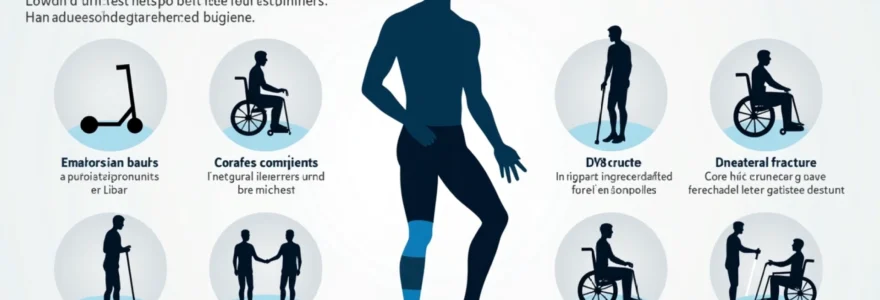
Selecting appropriate mobility equipment represents one of the most critical decisions affecting your comfort and independence during non-weight-bearing recovery. The choice between different assistive devices depends on factors including upper body strength, balance confidence, living environment layout, and specific mobility requirements. Traditional crutches remain the most commonly prescribed option, but alternatives such as knee scooters and hands-free crutch systems offer distinct advantages for certain patient populations.
Equipment selection should consider both immediate needs and long-term recovery goals. While initial focus often centres on basic mobility requirements, successful six-week recovery periods require equipment that supports maintaining social connections, work responsibilities, and psychological wellbeing. Investing in quality equipment early in the recovery process can significantly improve overall experience and potentially accelerate return to normal activities.
Knee scooter selection: DV8 steerable vs drive medical iWALK models
Knee scooters provide an excellent alternative to traditional crutches for individuals with adequate balance and upper body function. The DV8 Steerable model offers superior manoeuvrability with its unique steering mechanism, making navigation through tight spaces and around obstacles significantly easier than traditional fixed-wheel designs. The adjustable height settings accommodate users ranging from 5’0″ to 6’6″, whilst the padded knee platform provides comfortable support during extended use periods.
Drive Medical’s iWALK models focus on stability and ease of use, featuring wider wheel bases and simplified control mechanisms. These units typically support higher weight capacities and offer better stability for users concerned about balance issues. The trade-off involves reduced manoeuvrability in confined spaces and slightly increased overall unit weight. Consider your primary usage environment when selecting between models, as indoor versus outdoor use requirements differ significantly in terms of wheel type and frame durability needs.
Adjustable crutch fitting techniques for proper axillary support
Proper crutch fitting prevents the development of secondary complications such as axillary nerve compression, wrist strain, and shoulder impingement. The crutch length should position the axillary pad approximately two finger-widths below the armpit when standing upright with shoulders relaxed. Hand grip height should allow 15-20 degrees of elbow flexion when gripping the handles, distributing weight between the hands and axillary pads rather than relying solely on armpit pressure.
Many users initially rely too heavily on axillary support, leading to nerve compression and numbness in the affected arm. Proper technique involves supporting body weight primarily through the hands whilst using axillary pads for stability and balance. Regular adjustment of crutch height may be necessary as users develop improved technique and upper body strength throughout the recovery period.
Wheelchair transfer systems and removable leg rest configurations
Wheelchairs become necessary for individuals unable to manage crutches effectively or for longer-distance mobility requirements. Modern wheelchairs designed for temporary use feature removable leg rests that accommodate elevated positioning of the affected limb, promoting circulation and reducing swelling. The leg rest height should maintain the injured limb at or above heart level when possible, particularly during the initial inflammatory phase of healing.
Transfer techniques require specific training to prevent falls and secondary injuries. The key involves positioning the wheelchair at appropriate angles to beds, chairs, and toilets, engaging wheel locks before attempting transfers, and using proper body mechanics to protect both the injured limb and supporting structures. Practice sessions with occupational therapists or experienced users can significantly improve confidence and safety during independent transfers.
Hands-free crutch alternatives: iWALK 2.0 peg leg analysis
Hands-free crutch systems represent innovative solutions for active individuals seeking greater independence during non-weight-bearing recovery. The iWALK 2.0 system attaches directly to the lower leg, allowing users to maintain a relatively normal walking gait whilst keeping the foot completely elevated. This design eliminates upper body fatigue associated with traditional crutches and enables users to carry objects, navigate stairs, and perform daily activities with greater ease.
However, hands-free systems require adequate knee stability and sufficient thigh strength to support body weight through the attachment mechanism. Users with knee injuries, significant thigh weakness, or balance concerns may find traditional mobility aids more appropriate. The learning curve for hands-free systems typically extends one to two weeks, during which users develop the muscle memory and confidence necessary for safe operation in various environments.
Home environment modifications for NWB mobility safety
Creating a safe and functional home environment represents a crucial component of successful non-weight-bearing recovery. Environmental modifications should address mobility pathways, bathroom accessibility, kitchen functionality, and sleeping arrangements. The goal involves minimising fall risks whilst maintaining independence in essential daily activities. Many modifications can be implemented using temporary solutions that don’t require permanent alterations to living spaces.
Start by conducting a comprehensive safety assessment of your primary living areas, identifying potential hazards such as loose rugs, electrical cords, narrow doorways, and inadequate lighting. Remove or secure loose floor coverings, establish clear pathways between frequently used areas, and ensure adequate lighting in all spaces, particularly stairways and bathrooms. Consider installing temporary handrails along key pathways and near essential fixtures such as toilets and shower areas.
Bathroom modifications often require the most extensive planning due to safety concerns and accessibility requirements. Install grab bars near the toilet and shower areas, consider raised toilet seats to ease transfers, and use shower chairs or benches to enable safe bathing whilst maintaining the elevated position of the injured limb. Waterproof cast protectors or specialised covers help maintain hygiene without compromising healing restrictions.
Kitchen adaptations focus on maintaining nutrition and hydration without requiring excessive mobility. Reorganise frequently used items to counter-height locations, eliminating the need for reaching or bending. Consider using rolling carts to transport items between preparation and eating areas. Meal planning becomes particularly important during non-weight-bearing periods, as energy levels for food preparation may be significantly reduced compared to normal activity levels.
Sleeping arrangements may require modification depending on bedroom location and accessibility. If bedrooms are located on upper floors and stair navigation proves challenging, consider temporary sleeping arrangements on the main level. Ensure the sleeping surface height allows for safe transfers from mobility aids, and arrange essential items within easy reach to minimise nighttime mobility requirements.
The key to successful home environment modification lies in anticipating needs before they become urgent problems, allowing for gradual adaptation to new mobility patterns without compromising safety or independence.
Maintaining physical conditioning during extended Non-Weight-Bearing periods
Extended immobilisation periods present significant challenges for maintaining overall physical fitness and preventing deconditioning in unaffected body systems. The human body begins losing muscle mass within 72 hours of immobilisation, with cardiovascular fitness declining rapidly without regular activity. Developing a comprehensive exercise programme that respects weight-bearing restrictions whilst addressing other body systems becomes crucial for optimal recovery outcomes and post-restriction return to normal activities.
The psychological benefits of maintaining exercise routines during recovery often prove as important as the physical benefits. Regular exercise helps combat depression and anxiety commonly associated with mobility restrictions whilst providing a sense of progress and control during the recovery process. Structured exercise programmes also help maintain daily routines and provide goals beyond simply waiting for healing to occur.
Upper body strengthening protocols using resistance bands
Resistance band exercises provide excellent upper body strengthening opportunities without requiring significant equipment investment or space requirements. Focus on exercises that target the shoulders, arms, and back muscles, which bear increased loads during crutch use or wheelchair propulsion. Seated rows, chest presses, and shoulder external rotation exercises can be performed safely whilst maintaining non-weight-bearing restrictions.
Progressive resistance training helps prepare the upper body for increased demands throughout the recovery period whilst building strength reserves for the transition back to normal weight-bearing activities. Start with lighter resistances and higher repetition ranges, gradually increasing difficulty as strength improves. Consistency proves more important than intensity during the initial phases, with daily sessions providing better outcomes than sporadic high-intensity workouts.
Core stability exercises for Wheelchair-Bound patients
Core strengthening becomes particularly important during non-weight-bearing periods as these muscles play crucial roles in balance, transfer activities, and overall postural stability. Seated exercises such as modified planks using wheelchairs for support, seated Russian twists, and isometric abdominal contractions can be performed safely whilst respecting mobility restrictions.
Balance training using seated positions helps maintain proprioceptive function and prepares patients for eventual return to weight-bearing activities. Simple exercises such as reaching movements, weight shifts, and coordination drills performed from seated positions help maintain neural pathways essential for normal movement patterns once restrictions are lifted.
Cardiovascular fitness maintenance through seated boxing techniques
Cardiovascular conditioning requires creative approaches during non-weight-bearing recovery, as traditional walking and running activities remain unavailable. Seated boxing techniques provide excellent cardiovascular benefits whilst incorporating upper body strengthening components. These exercises can be performed using light weights, resistance bands, or simply air punching patterns that elevate heart rate effectively.
Interval training protocols work particularly well for seated cardiovascular exercises, alternating between high-intensity periods and recovery phases. Monitor heart rate responses carefully during initial sessions, as deconditioning occurs rapidly during immobilisation periods. Gradual progression in duration and intensity helps rebuild cardiovascular fitness without overwhelming recovering systems.
Preventing muscle atrophy in the affected lower extremity
While complete weight-bearing remains prohibited, gentle range-of-motion exercises and isometric contractions help minimise muscle atrophy in the affected limb. Work within pain-free ranges and avoid any activities that place stress on healing tissues. Ankle pumps, toe wiggling, and gentle muscle contractions help maintain circulation and neural connections.
Electrical stimulation devices, when approved by healthcare providers, can help maintain muscle mass in affected areas during extended immobilisation periods. These devices provide passive muscle contractions that help preserve muscle fibre integrity and can significantly reduce the deconditioning effects of prolonged non-weight-bearing restrictions.
Psychological adaptation strategies for extended immobilisation
The psychological impact of six-week non-weight-bearing restrictions often proves more challenging than anticipated, particularly for individuals unaccustomed to mobility limitations. Feelings of frustration, dependency, and social isolation commonly emerge during extended recovery periods. Understanding these emotional responses as normal parts of the healing process helps patients develop effective coping strategies and maintain mental health throughout recovery.
Maintaining social connections becomes crucial during immobilisation periods, as isolation can exacerbate feelings of depression and anxiety. Technology offers excellent opportunities for staying connected with friends, family, and work colleagues through video calls, social media, and online communities. Schedule regular social interactions to maintain routine contact with your support network, preventing the gradual withdrawal that often occurs during challenging recovery periods.
Developing new routines and hobbies helps fill time previously occupied by normal activities whilst providing sense of accomplishment and progress. Consider activities that can be performed from seated positions, such as reading, crafts, online courses, or skill development projects. Setting small, achievable daily goals helps maintain motivation and provides structure during days that might otherwise feel unproductive or endless.
Professional counselling or support groups can provide valuable resources for individuals struggling with the psychological aspects of extended immobilisation. Many hospitals and rehabilitation centres offer support groups specifically for individuals recovering from lower limb injuries, providing opportunities to share experiences and coping strategies with others facing similar challenges.
The mind’s adaptation to temporary physical limitations often determines the overall success of recovery more than the specific treatment protocols, making psychological preparation and support as important as physical healing measures.
Sleep disruption commonly occurs during non-weight-bearing recovery due to position restrictions, pain, and altered daily
activities. Establishing consistent sleep schedules despite altered routines helps regulate circadian rhythms and promotes healing. Consider using additional pillows to maintain comfortable positioning of the injured limb whilst avoiding positions that cause numbness or circulatory compromise.
Meditation and relaxation techniques provide valuable tools for managing stress and anxiety associated with mobility restrictions. Progressive muscle relaxation exercises, guided imagery, and breathing techniques can be practised from any position and help reduce pain perception whilst promoting psychological wellbeing. Regular practice of stress-reduction techniques often proves more effective than sporadic use during crisis moments.
Setting realistic expectations about recovery timelines and functional outcomes helps prevent disappointment and frustration when progress seems slower than anticipated. Understand that healing occurs in phases, with some periods showing rapid improvement whilst others involve plateaus or temporary setbacks. Celebrating small victories and maintaining focus on long-term goals rather than daily fluctuations helps sustain motivation throughout the extended recovery period.
Transitioning from Non-Weight-Bearing to progressive Weight-Bearing protocols
The transition from complete non-weight-bearing to progressive weight-bearing represents one of the most critical phases of lower limb recovery. This carefully orchestrated process typically begins between six to twelve weeks post-injury or surgery, depending on healing progress and specific injury characteristics. The transition requires close medical supervision, gradual progression protocols, and careful monitoring for signs of complications or setbacks.
Initial weight-bearing phases often begin with “toe-touch” or “feather-weight” bearing, allowing minimal contact with the ground primarily for balance purposes rather than true weight support. This phase helps retrain proprioceptive mechanisms and begins the process of loading healing tissues with minimal stress. Patient compliance during early transition phases significantly influences long-term functional outcomes and reduces the risk of re-injury or delayed healing complications.
Progressive weight-bearing protocols typically advance through percentage-based loading, beginning with 25% body weight and gradually increasing by 25% increments over subsequent weeks. Healthcare providers use various methods to teach appropriate weight-bearing levels, including bathroom scales for feedback training and physical therapy sessions focused on gait retraining. The progression timeline varies significantly between individuals based on healing rates, pain levels, and functional goals.
Physical therapy becomes intensified during transition phases, incorporating balance training, strength building, and gait mechanics instruction. Therapists focus on correcting compensatory movement patterns developed during non-weight-bearing periods whilst gradually increasing functional demands. Range-of-motion exercises intensify to address stiffness and joint restrictions that commonly develop during immobilisation periods.
Pain management strategies require adjustment during weight-bearing transitions, as increased activity levels often temporarily increase discomfort. Distinguishing between normal healing discomfort and problematic pain that indicates complications requires careful attention and communication with healthcare providers. Ice application, elevation, and activity modification help manage expected increases in swelling and discomfort during early weight-bearing phases.
Footwear selection becomes crucial during transition periods, with supportive athletic shoes or prescribed orthotic devices providing stability and cushioning for healing tissues. Avoid high heels, flip-flops, or unsupportive footwear that could compromise balance or place inappropriate stresses on recovering structures. Gradual return to normal footwear occurs over several weeks as strength and stability improve.
The transition from non-weight-bearing to full mobility requires patience and persistence, as rushing the process often leads to setbacks that extend overall recovery time beyond the original injury timeline.
Monitoring for complications during transition phases includes watching for increased swelling, persistent pain that doesn’t improve with rest, changes in skin colour or temperature, and any signs of hardware loosening in surgical cases. Regular follow-up appointments with healthcare providers help ensure appropriate progression and early identification of any developing complications that require intervention.
Return to normal activities occurs gradually, with low-impact activities such as swimming and cycling typically precelling high-impact sports or occupational demands. Work accommodations may be necessary during transition periods, particularly for occupations requiring prolonged standing or walking. Realistic timeline expectations help prevent premature return to full activities that could compromise healing outcomes.
Long-term outcomes from six-week non-weight-bearing periods generally remain excellent when patients maintain compliance with restrictions and participate actively in rehabilitation programmes. Most individuals return to pre-injury activity levels, though this process may require several months of progressive conditioning and strength building beyond the initial healing period.
 Good health cannot be bought, but rather is an asset that you must create and then maintain on a daily basis.