
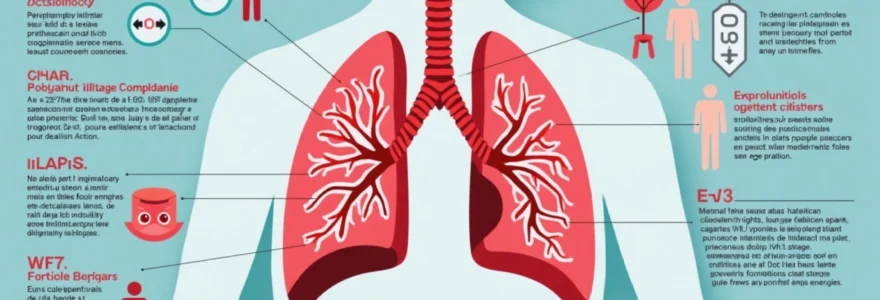
Emphysema represents one of the most challenging respiratory conditions facing modern healthcare, affecting millions of individuals worldwide and fundamentally altering their quality of life. This progressive lung disease, characterised by the irreversible destruction of alveolar structures, presents complex questions about prognosis and survival outcomes. Understanding the factors that influence life expectancy in emphysema patients becomes crucial not only for healthcare professionals but also for patients and their families navigating this difficult journey. The relationship between disease severity, treatment interventions, and lifestyle modifications creates a multifaceted picture that determines long-term survival prospects and quality of life considerations.
Recent advances in medical understanding have revealed that emphysema prognosis varies significantly based on multiple interconnected factors, from genetic predisposition to environmental exposures and therapeutic compliance. While the diagnosis carries serious implications, contemporary treatment approaches and disease management strategies offer hope for extended survival and improved functional capacity when implemented appropriately.
Understanding emphysema pathophysiology and disease progression stages
Alveolar destruction mechanisms and Protease-Antiprotease imbalance
The fundamental pathophysiology of emphysema centres on the progressive destruction of alveolar walls, creating enlarged air spaces that compromise gas exchange efficiency. This destructive process occurs primarily through an imbalance between proteolytic enzymes and their natural inhibitors, particularly involving elastase and alpha-1 antitrypsin. When inflammatory cells release excessive amounts of neutrophil elastase whilst protective antiproteases become overwhelmed or deficient, the delicate alveolar architecture suffers irreversible damage.
The protease-antiprotease hypothesis explains why certain individuals develop emphysema more rapidly than others, even with similar smoking histories. Genetic variations in protease production and antiprotease function create varying degrees of susceptibility to lung tissue destruction. This understanding has revolutionised treatment approaches, shifting focus from symptom management alone to targeting the underlying inflammatory cascade that drives disease progression.
GOLD classification system: stages I through IV severity assessment
The Global Initiative for Chronic Obstructive Lung Disease (GOLD) classification system provides a standardised framework for assessing emphysema severity, directly correlating with life expectancy predictions. Stage I (mild) emphysema, defined by an FEV1 ≥80% predicted, often presents with minimal symptoms but represents the critical window for aggressive intervention. Patients at this stage typically maintain near-normal life expectancy when appropriate treatment begins promptly.
Stage II (moderate) emphysema, characterised by FEV1 between 50-79% predicted, marks the point where symptoms become more apparent during daily activities. Disease progression accelerates significantly at this stage, with average life expectancy beginning to show measurable reduction compared to healthy populations. Stage III (severe) and Stage IV (very severe) represent advanced disease with FEV1 values of 30-49% and <30% predicted, respectively, where life expectancy becomes substantially compromised without intensive medical management.
Forced expiratory volume (FEV1) decline patterns in emphysema patients
The rate of FEV1 decline serves as one of the most reliable predictors of long-term survival in emphysema patients. Healthy individuals experience an annual FEV1 decline of approximately 20-30ml per year after age 35, whilst active smokers with emphysema may experience losses of 60-90ml annually. This accelerated decline pattern directly correlates with reduced life expectancy, as respiratory function deteriorates more rapidly than the body’s ability to compensate.
The steepest FEV1 decline typically occurs during the first decade following diagnosis, making early intervention absolutely critical for preserving long-term respiratory function and extending survival.
Research demonstrates that smoking cessation represents the most effective intervention for slowing FEV1 decline, potentially reducing the annual loss rate to levels approaching those seen in non-smokers. However, the extent of benefit depends heavily on the timing of cessation, with earlier intervention yielding dramatically superior outcomes for long-term survival prospects.
Alpha-1 antitrypsin deficiency impact on disease acceleration
Alpha-1 antitrypsin deficiency (AATD) represents a genetic variant that significantly alters the natural history of emphysema, typically resulting in earlier disease onset and more rapid progression. Individuals with severe AATD may develop emphysema in their 30s or 40s, decades earlier than typical smoking-related cases. This genetic predisposition creates a fundamentally different prognosis profile, requiring specialised treatment approaches including augmentation therapy.
The impact of AATD on life expectancy depends largely on the specific genetic variant and the degree of enzyme deficiency. Severe deficiency states (ZZ phenotype) carry the greatest risk, with potential for significant life expectancy reduction if left untreated. However, early recognition and appropriate treatment can substantially improve outcomes, demonstrating the critical importance of genetic screening in at-risk populations.
Emphysema mortality statistics and survival rate analysis
Five-year survival rates based on GOLD staging criteria
Contemporary survival statistics reveal significant variations in five-year mortality rates across different GOLD stages, providing crucial prognostic information for patients and healthcare providers. Stage I emphysema patients demonstrate five-year survival rates approaching 90-95%, closely mirroring age-matched healthy populations when optimal treatment is maintained. These encouraging statistics underscore the importance of early detection and aggressive initial management.
Stage II emphysema presents more concerning survival statistics, with five-year mortality rates ranging from 15-25% depending on comorbidities and treatment adherence. The transition from Stage II to Stage III represents a critical prognostic threshold , where five-year survival rates decline substantially to approximately 50-60%. Stage IV emphysema carries the gravest prognosis, with five-year survival rates often below 30% despite optimal medical therapy.
BODE index prognostic scoring for life expectancy prediction
The BODE (Body mass index, airflow Obstruction, Dyspnoea, Exercise capacity) index provides a more comprehensive prognostic tool than FEV1 alone, incorporating multiple physiological parameters that influence survival. This multidimensional scoring system assigns points based on BMI, FEV1 percentage predicted, modified Medical Research Council dyspnoea scale, and six-minute walk test distance, creating a composite score that correlates strongly with mortality risk.
| BODE Score | Two-Year Mortality Risk | Five-Year Survival Rate |
|---|---|---|
| 0-2 points | Less than 5% | Greater than 80% |
| 3-4 points | 10-15% | 60-70% |
| 5-6 points | 25-30% | 40-50% |
| 7-10 points | Greater than 40% | Less than 30% |
The BODE index demonstrates superior predictive accuracy compared to FEV1 measurements alone, particularly in identifying high-risk patients who may benefit from intensive interventions or palliative care planning. Regular BODE assessment enables healthcare providers to adjust treatment strategies dynamically based on changing risk profiles throughout the disease course.
Comorbidity impact: cardiovascular disease and pulmonary hypertension
Cardiovascular comorbidities significantly influence life expectancy in emphysema patients, with heart disease representing one of the leading causes of mortality in this population. The systemic inflammatory state associated with emphysema accelerates atherosclerotic processes, whilst chronic hypoxemia and increased cardiac workload contribute to heart failure development. Patients with combined emphysema and significant cardiovascular disease face substantially reduced survival prospects compared to those with isolated respiratory pathology.
Pulmonary hypertension develops in approximately 20-30% of emphysema patients, creating additional prognostic challenges that dramatically impact survival rates. The presence of pulmonary hypertension typically indicates advanced disease and carries a particularly grave prognosis, with median survival often reduced to 2-3 years following diagnosis. Early detection and treatment of pulmonary hypertension becomes crucial for optimising outcomes and potentially extending survival in these high-risk patients.
Gender-based mortality differences in COPD emphysema patients
Recent epidemiological studies have revealed significant gender-based differences in emphysema mortality rates, with women demonstrating distinct patterns of disease progression and survival outcomes. Female emphysema patients often present with different symptom profiles, including greater dyspnoea severity at equivalent levels of airflow obstruction, and may experience more rapid quality of life deterioration despite similar FEV1 values.
Interestingly, women with emphysema may demonstrate superior survival rates compared to men at equivalent disease stages, particularly in the early phases of the condition. However, this survival advantage diminishes in advanced disease stages, where gender differences become less pronounced. Hormonal factors and genetic variations likely contribute to these observed differences, though the underlying mechanisms remain incompletely understood and require further research investigation.
Clinical factors influencing emphysema prognosis and longevity
Multiple clinical factors beyond simple lung function measurements significantly influence long-term survival prospects in emphysema patients. Age at diagnosis plays a crucial role, with younger patients generally demonstrating better adaptation to treatment interventions and slower disease progression rates. However, early-onset emphysema, particularly in non-smokers, may indicate genetic predisposition requiring specialised management approaches. The presence of frequent exacerbations represents another critical prognostic factor, with patients experiencing two or more severe exacerbations annually facing substantially increased mortality risks.
Nutritional status profoundly impacts emphysema prognosis, as malnutrition develops in approximately 25-35% of patients with advanced disease. Low body mass index correlates strongly with increased mortality , whilst adequate nutritional support can significantly improve survival outcomes. The relationship between nutrition and prognosis operates through multiple mechanisms, including immune system function, respiratory muscle strength, and overall physical resilience to disease complications.
Exercise tolerance, measured objectively through six-minute walk tests or cardiopulmonary exercise testing, provides valuable prognostic information independent of lung function measurements. Patients maintaining higher exercise capacity despite significant airflow obstruction often demonstrate superior long-term survival rates compared to those with limited functional capacity. This observation underscores the importance of pulmonary rehabilitation programmes in optimising patient outcomes and potentially extending life expectancy.
The frequency and severity of respiratory infections significantly influence disease progression and survival prospects. Patients with recurrent pneumonia or bronchitis episodes experience accelerated lung function decline and increased mortality risks. Vaccination strategies and infection prevention measures therefore represent critical components of comprehensive emphysema management, potentially improving both quality of life and survival outcomes through reduced exacerbation frequency.
Medical interventions and their impact on life expectancy
Contemporary medical interventions for emphysema have demonstrated measurable impacts on life expectancy, though the magnitude of benefit varies significantly based on disease severity and intervention timing. Bronchodilator therapy, particularly long-acting beta-agonists and anticholinergics, provides symptomatic relief whilst potentially offering modest survival benefits through improved exercise tolerance and reduced exacerbation frequency. Combination therapy with inhaled corticosteroids may provide additional benefits in selected patients, particularly those with eosinophilic inflammation or frequent exacerbations.
Long-term oxygen therapy represents one of the most evidence-based interventions for improving survival in emphysema patients with chronic hypoxemia. Continuous oxygen supplementation for patients with resting arterial oxygen levels below 55mmHg, or below 60mmHg with evidence of right heart strain, can extend life expectancy by several years. Compliance with prescribed oxygen therapy becomes crucial for realising these survival benefits, requiring patient education and support to ensure optimal utilisation.
Surgical interventions, including lung volume reduction surgery and lung transplantation, offer potential survival benefits for carefully selected patients with advanced emphysema. Lung volume reduction surgery can improve survival in patients with upper lobe-predominant emphysema and low exercise capacity, though patient selection criteria remain highly specific. Lung transplantation provides the greatest potential for survival extension in end-stage disease, though organ availability and surgical risks limit its applicability to younger patients with good overall health status.
Emerging therapies targeting the inflammatory cascade underlying emphysema progression hold promise for disease modification, potentially representing the next major advancement in improving long-term survival outcomes.
Pulmonary rehabilitation programmes demonstrate significant impacts on functional capacity, symptom burden, and potentially survival outcomes, even in advanced disease stages. These comprehensive interventions combine supervised exercise training, patient education, nutritional counselling, and psychological support to address the multisystem impact of emphysema. Participation in structured rehabilitation programmes correlates with reduced hospitalisation rates and improved long-term survival, highlighting the importance of multidisciplinary care approaches.
Lifestyle modifications and emphysema disease management strategies
Smoking cessation represents the most powerful lifestyle intervention for improving life expectancy in emphysema patients, regardless of disease stage or duration of smoking history. The benefits of cessation begin immediately, with reduced exacerbation frequency observed within months and slowed lung function decline evident within the first year. Patients who successfully quit smoking can expect to add several years to their life expectancy compared to those who continue, with the magnitude of benefit directly related to the timing of cessation relative to disease stage.
Physical activity and exercise training provide substantial benefits for emphysema patients, improving both functional capacity and potentially extending survival. Regular physical activity enhances respiratory muscle strength, cardiovascular fitness, and overall physical resilience to disease complications. Even modest increases in daily activity levels can yield measurable improvements in quality of life and functional status, making activity promotion a crucial component of disease management strategies.
Nutritional optimization plays a critical role in emphysema management, particularly for patients at risk of malnutrition or muscle wasting. Adequate protein intake becomes essential for maintaining respiratory muscle strength and immune function, whilst appropriate caloric intake prevents the metabolic complications associated with chronic respiratory disease. Weight management strategies must balance the need to prevent malnutrition whilst avoiding obesity, which can compromise respiratory function through mechanical effects.
Environmental modifications, including air quality improvement and allergen avoidance, contribute significantly to disease stability and potentially improved survival outcomes. Patients benefit from avoiding exposure to air pollution, occupational irritants, and secondhand smoke, all of which can accelerate disease progression. Indoor air quality improvements , such as using air filtration systems and avoiding wood-burning fireplaces, can reduce exacerbation frequency and slow functional decline.
Vaccination strategies represent crucial preventive interventions that can substantially impact survival prospects through reduced infection-related complications. Annual influenza vaccination, pneumococcal vaccination, and COVID-19 vaccination provide protection against respiratory infections that could precipitate severe exacerbations or respiratory failure. The importance of comprehensive vaccination programmes extends beyond individual protection to encompass community health benefits for vulnerable emphysema populations.
End-stage emphysema care planning and quality of life considerations
End-stage emphysema presents unique challenges requiring careful consideration of palliative care principles alongside aggressive medical management. As the disease progresses to very severe stages, treatment goals necessarily shift from cure-focused interventions to comfort-oriented care that maximises quality of life whilst managing distressing symptoms. Advanced care planning becomes essential during this phase, involving detailed discussions about treatment preferences, resuscitation wishes, and end-of-life care objectives.
Symptom management in end-stage emphysema requires sophisticated approaches addressing dyspnoea, anxiety, depression, and physical discomfort. Opioid medications, particularly low-dose morphine, can provide effective dyspnoea relief when conventional bronchodilator therapy becomes insufficient. Careful titration of symptomatic treatments becomes crucial for maintaining comfort whilst avoiding excessive sedation that could compromise remaining functional capacity.
The psychological impact of end-stage emphysema extends beyond the individual patient to encompass family members and caregivers facing the challenges of progressive disability and eventual mortality. Comprehensive support services, including counselling, spiritual care, and practical assistance with daily activities, become increasingly important as functional capacity declines. Social isolation represents a significant concern requiring proactive intervention to maintain emotional well-being and family relationships.
Quality of life assessment tools, such as the St. George’s Respiratory Questionnaire and COPD Assessment Test, provide valuable frameworks for monitoring patient-reported outcomes and guiding treatment decisions in advanced disease. These instruments capture domains often overlooked in traditional medical assessments, including social functioning, emotional well-being, an
d impact on daily functioning activities.
Hospice care referral becomes appropriate when emphysema patients demonstrate a life expectancy of six months or less, typically indicated by recurrent hospitalisations, progressive weight loss, and dependence on continuous oxygen therapy with declining functional status. The transition to hospice care requires sensitive communication about prognosis whilst maintaining hope and dignity throughout the remaining time. Family involvement in care decisions becomes particularly important during this phase, ensuring that treatment decisions align with patient values and preferences whilst providing necessary support for caregivers.
Legal and financial planning considerations often arise during end-stage emphysema management, including advance directives, power of attorney designations, and healthcare proxy appointments. These discussions, whilst difficult, provide important protections for patient autonomy and family decision-making during crisis situations. Healthcare providers play crucial roles in facilitating these conversations, providing prognostic information that enables informed decision-making about future care preferences and treatment limitations.
The integration of palliative care principles throughout the emphysema disease trajectory, rather than reserving them for end-stage management, can significantly improve quality of life outcomes and potentially extend survival through better symptom management and reduced psychological distress. Early palliative care consultation provides patients and families with additional resources for coping with chronic illness whilst maintaining hope for disease stability and functional preservation. This approach recognises that comfort-focused care and life-extending treatments are not mutually exclusive, but rather complementary components of comprehensive emphysema management.
Technology integration, including telemedicine monitoring and remote symptom tracking, offers new opportunities for maintaining quality of life whilst managing end-stage emphysema in familiar home environments. These innovations enable healthcare providers to monitor symptoms, adjust medications, and provide support without requiring frequent hospital visits that can be challenging for patients with severe functional limitations. The personalised approach to end-stage care, incorporating patient preferences, family dynamics, and available resources, ultimately determines the success of quality-focused interventions during this critical phase of the disease journey.
 Good health cannot be bought, but rather is an asset that you must create and then maintain on a daily basis.