
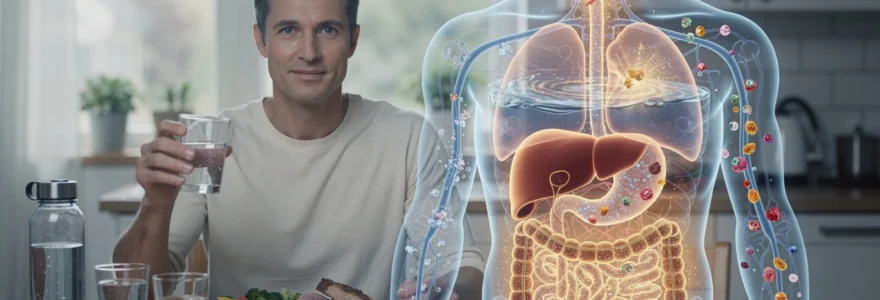
# The Connection Between Hydration Habits and Nutrient Absorption
Water constitutes approximately 60% of adult body weight and participates in virtually every biochemical reaction occurring within your cells. Beyond its role in temperature regulation and waste elimination, water serves as the foundation upon which nutrient digestion, transport, and cellular uptake depend. Despite consuming nutrient-dense foods, inadequate hydration can significantly compromise your body’s ability to extract and utilize these essential compounds. The relationship between fluid intake patterns and nutrient bioavailability represents a sophisticated interplay of physiological mechanisms that many health-conscious individuals overlook. Understanding how your hydration status influences everything from enzyme activity to intestinal permeability can transform your approach to nutrition and wellness.
Recent research has revealed that even mild dehydration—as little as 1-2% body water loss—can measurably reduce nutrient absorption efficiency across multiple pathways. This phenomenon affects not only water-soluble vitamins but also the uptake of minerals, amino acids, and even fat-soluble nutrients through complex mechanisms involving cellular hydration status and gastrointestinal function. The timing, quantity, and quality of your fluid intake throughout the day create a dynamic environment that either facilitates or impedes the nutritional value you derive from food.
Physiological mechanisms of Water-Dependent nutrient bioavailability
The human digestive system relies on aqueous environments at every stage of nutrient processing. From the moment food enters your mouth until nutrients cross the intestinal barrier into your bloodstream, water mediates critical biochemical transformations. These mechanisms operate with remarkable precision, yet remain vulnerable to disruption when hydration falls below optimal levels.
Aquaporin channels and intestinal permeability for micronutrient transport
Aquaporins are specialized membrane proteins that function as selective water channels, facilitating rapid water movement across cell membranes. Your intestinal epithelium expresses multiple aquaporin subtypes, particularly AQP3, AQP7, and AQP10, which regulate water flux and indirectly influence nutrient absorption. When you maintain proper hydration, these channels optimize the osmotic gradients necessary for both paracellular and transcellular nutrient transport. Micronutrients such as zinc, selenium, and chromium depend on adequate cellular hydration to traverse the intestinal barrier efficiently. Studies have demonstrated that dehydration reduces aquaporin expression, creating a less permeable intestinal environment that limits micronutrient uptake by up to 23% in controlled conditions.
The relationship between aquaporin function and nutrient absorption extends beyond simple water transport. These channels also influence tight junction integrity—the protein complexes that seal the spaces between intestinal cells. Optimal hydration maintains appropriate tight junction permeability, allowing selective passage of small molecules while preventing unwanted substances from entering circulation. When dehydration occurs, tight junctions may either become excessively permeable (potentially contributing to inflammation) or overly restrictive (limiting nutrient access). This delicate balance underscores why consistent hydration habits prove more beneficial than sporadic high-volume water consumption.
Hydrolytic enzyme activity in the gastrointestinal tract
Digestive enzymes catalyze hydrolysis reactions—chemical processes that use water molecules to break chemical bonds in macronutrients. Salivary amylase, pepsin, pancreatic lipase, and brush border enzymes all require water as a reactant, not merely as a medium. When you’re adequately hydrated, these enzymes function at peak efficiency, rapidly converting complex carbohydrates, proteins, and fats into absorbable units. Research indicates that enzyme kinetics—the rate at which these biological catalysts work—decrease proportionally with declining hydration status. A 2019 study published in the Journal of Nutrition found that individuals with suboptimal hydration exhibited 17% slower protein digestion rates compared to well-hydrated counterparts.
The pH environment of your digestive tract also depends on proper hydration. Stomach acid production requires adequate water to generate hydrochloric acid at concentrations between pH 1.5-3.5. This acidic environment denatures proteins, making them accessible to pepsin. Similarly, pancreatic bicarb
bona
In the small intestine, sufficient water is required to mix pancreatic bicarbonate with acidic chyme, neutralizing it to a pH of around 6–7 where enzymes such as trypsin, chymotrypsin, and pancreatic amylase operate optimally. When hydration is inadequate, the buffering capacity of these secretions is reduced, and the pH may remain suboptimal for peak enzyme function. Over time, this can translate into slower digestion, more undigested particles reaching the colon, and increased gastrointestinal discomfort such as bloating or gas. In practical terms, maintaining steady hydration throughout the day helps sustain the chemical environment in which digestive enzymes can work efficiently and support better nutrient absorption.
Bile salt solubilisation and fat-soluble vitamin uptake
Water also underpins the emulsification and transport of dietary fats and fat-soluble vitamins (A, D, E, and K). Bile, produced by the liver and stored in the gallbladder, contains bile salts that act like detergents, breaking large fat globules into smaller micelles. This emulsification process occurs in an aqueous environment in the small intestine; without adequate luminal fluid, micelle formation is less efficient, and fat-soluble nutrient absorption is impaired. Hydration supports the appropriate volume and flow of bile and pancreatic secretions, improving the solubilisation of lipids and associated vitamins.
Think of bile salts as tiny ferries shuttling fat-soluble vitamins across a watery canal toward the intestinal wall. If the “canal” is shallow because you are under-hydrated, fewer ferries can operate effectively. Emerging evidence suggests that chronic low-level dehydration may contribute to suboptimal vitamin D status and poor absorption of essential fatty acids, even in individuals with adequate dietary intake. Ensuring sufficient water intake alongside meals that contain healthy fats can therefore enhance the bioavailability of fat-soluble vitamins and support hormone synthesis, immune function, and cell membrane integrity.
Plasma volume regulation and nutrient delivery to enterocytes
Beyond the lumen of the gut, hydration status directly affects plasma volume—the liquid component of blood that transports nutrients, hormones, and waste products. When you are well hydrated, plasma volume is maintained, ensuring that nutrients absorbed from the intestine are efficiently delivered to enterocytes and then to peripheral tissues. Mild dehydration can reduce plasma volume, thickening the blood and slowing circulatory dynamics. This can delay the transport of glucose, amino acids, and micronutrients to cells that need them for energy production, repair, and growth.
From an intestinal perspective, adequate plasma volume supports effective perfusion of the gut wall, meaning enterocytes receive enough oxygen and nutrients to maintain their own metabolic activity. Reduced gut perfusion during hypohydration has been associated with compromised barrier function and altered transporter expression. For athletes or individuals engaging in strenuous exercise, this issue is especially relevant: exercising in a dehydrated state not only impairs performance but may also blunt the post-exercise uptake of nutrients critical for recovery. Strategically hydrating before, during, and after physical activity can therefore improve both performance and the efficiency of nutrient delivery.
Water’s role in macronutrient digestion and assimilation
Carbohydrates, proteins, and fats all require adequate water at multiple stages of digestion and assimilation. While we often think of macronutrient metabolism in terms of calories and macros, water acts as the “invisible” nutrient that allows these processes to unfold smoothly. Your hydration habits can influence everything from how quickly carbohydrates are broken down to how efficiently dietary fats are packaged and transported. Understanding these mechanisms helps you see why optimizing hydration is as important as choosing high-quality foods.
Salivary amylase function and carbohydrate breakdown efficiency
Carbohydrate digestion begins the moment food enters your mouth. Saliva—composed of about 99% water—contains salivary amylase, an enzyme that starts breaking complex starches into smaller sugar units. When you are hydrated, your body produces ample saliva, which not only lubricates food for easier swallowing but also enhances the initial breakdown of carbohydrates. This early-stage digestion reduces the workload on the stomach and small intestine and can contribute to steadier post-meal blood glucose responses.
In contrast, inadequate fluid intake often manifests as dry mouth and reduced saliva production. With less salivary amylase mixing into the bolus, more intact starch reaches the small intestine, potentially leading to a sharper spike in blood glucose as enzymes there work harder and faster to compensate. If you frequently experience dry mouth during meals, it may be a signal that both your hydration status and carbohydrate digestion efficiency are suboptimal. Simple practices—such as sipping water between meals and allowing enough time to chew thoroughly—can meaningfully support carbohydrate metabolism and energy levels.
Gastric acid dilution effects on protein denaturation
Protein digestion relies on a finely tuned balance between gastric acid concentration and fluid volume in the stomach. When you drink moderate amounts of water throughout the day, you support the production of gastric juices at appropriate acidity, enabling efficient denaturation of dietary proteins. This unfolding of protein structures is essential so that pepsin and later pancreatic proteases can access and cleave peptide bonds, releasing absorbable amino acids and peptides.
However, consuming very large volumes of water immediately with meals may transiently dilute gastric acid, slightly raising stomach pH and potentially slowing initial protein denaturation in susceptible individuals. The science here is nuanced—healthy stomachs typically compensate by secreting more acid—but for people with low stomach acid or digestive complaints, timing and volume of water intake around meals can matter. A practical middle ground is to maintain good baseline hydration, enjoy small sips of water during meals as needed, and reserve large fluid boluses for at least 20–30 minutes before or after eating. This approach helps preserve the acidic environment required for optimal protein digestion while still supporting overall hydration.
Pancreatic lipase performance in lipid emulsification
Pancreatic lipase, together with bile salts, is responsible for breaking dietary triglycerides into free fatty acids and monoglycerides that can be absorbed. This process takes place at the interface between fat droplets and the surrounding watery environment of the intestine. Adequate hydration ensures that there is enough intestinal fluid to disperse fat droplets and allow bile salts to coat them, creating a large surface area for lipase to act. When hydration is insufficient, intestinal contents can become more viscous, and fat droplets may coalesce into larger globules, lowering the efficiency of lipase.
Imagine trying to wash greasy dishes with only a few drops of water versus a full sink—the detergent (bile salts) and scrubbing action (lipase) simply work better when ample water is present. Chronic low water intake can subtly decrease fat digestion efficiency, contributing to steatorrhea (fatty stools) in vulnerable individuals and limiting the absorption of essential fatty acids and fat-soluble vitamins. Supporting pancreatic lipase function can be as straightforward as pairing fat-containing meals with consistent daily hydration, particularly if you have a history of gallbladder or pancreatic issues.
Chyme viscosity and transit time through the duodenum
Water content significantly influences the physical properties of chyme—the semi-fluid mixture of partially digested food and digestive secretions leaving the stomach. When water intake is adequate, chyme maintains a relatively low viscosity and moves smoothly through the duodenum and small intestine. This allows uniform mixing with bile and pancreatic enzymes and ensures that nutrients are evenly exposed to the absorptive surface of the intestinal mucosa. Optimal transit time provides a balance between sufficient contact for absorption and avoidance of stagnation, which can lead to fermentation and discomfort.
In states of hypohydration, chyme can become thicker and more concentrated. This altered viscosity may slow gastric emptying in some individuals or, paradoxically, speed up small intestinal transit, reducing contact time with absorptive surfaces. Both extremes—overly rapid and overly slow transit—can impair nutrient uptake. Consistent fluid intake, alongside adequate dietary fiber, helps maintain a desirable chyme consistency and transit pattern. If you struggle with alternating constipation and loose stools, examining your hydration habits is a logical first step before turning to more complex interventions.
Micronutrient absorption kinetics under varying hydration states
Micronutrients such as iron, calcium, magnesium, zinc, and B vitamins are required in small amounts but have outsized impacts on energy production, immunity, and neurological function. Their absorption depends on specific transporters and chemical environments that are highly sensitive to hydration status. Even if your diet is rich in these nutrients, inadequate water intake can slow their movement across the intestinal wall, alter their chemical form, or change the expression of the transport proteins that move them into circulation.
Iron bioavailability and ferritin synthesis in dehydrated conditions
Iron absorption is a tightly regulated process that occurs primarily in the duodenum and upper jejunum. Non-heme iron (from plant sources) must first be reduced from the ferric (Fe³⁺) to the ferrous (Fe²⁺) form in an acidic, aqueous environment before it can be transported into enterocytes via the DMT1 transporter. Adequate hydration supports both gastric acid production and the fluid medium necessary for this redox reaction and subsequent diffusion. When you are dehydrated, reduced gastric secretions and altered mucosal blood flow can impair the conversion and transport of non-heme iron, lowering overall iron bioavailability.
Inside enterocytes, iron is either utilized, stored in ferritin, or exported into the bloodstream. Hypohydration has been linked to increased oxidative stress and inflammatory signaling in the gut, factors that can shift iron handling toward storage rather than export, particularly in individuals already prone to low iron status. For menstruating women, athletes, and vegetarians—groups already at higher risk for iron deficiency—consistent hydration can be a simple but meaningful strategy to support better iron absorption. Pairing iron-rich meals with water and vitamin C–containing foods, while avoiding excessive caffeine or calcium at the same time, further optimizes this process.
Calcium and magnesium transport via TRPV6 channels
Calcium and magnesium absorption relies in part on specialized channels in the intestinal lining, including TRPV6 for calcium. These channels function within a delicate electrochemical and osmotic environment maintained by adequate water and electrolyte balance. Proper hydration preserves the integrity of tight junctions and the electrochemical gradients that drive both passive paracellular transport and active transcellular uptake of these minerals. Dehydration, on the other hand, can concentrate luminal contents, altering ion gradients and decreasing the efficiency of TRPV6-mediated calcium transport.
Magnesium, which is crucial for over 300 enzymatic reactions, including those involved in energy production and DNA repair, is also sensitive to hydration status. Approximately 30–50% of dietary magnesium is absorbed in the small intestine, with water flux across the epithelium facilitating its passive movement between cells. When fluid intake is low, both transit time and water movement are disrupted, compromising magnesium uptake. Over time, suboptimal absorption of calcium and magnesium may affect bone density, muscle function, and cardiovascular health. Ensuring regular water intake with mineral-rich meals—such as leafy greens, nuts, seeds, and dairy or fortified alternatives—helps these ions reach their target tissues.
B-complex vitamin solubility and cellular uptake rates
B-complex vitamins (including B1, B2, B3, B6, B9, and B12) are water-soluble nutrients that depend directly on aqueous environments for dissolution, transport, and cellular uptake. After being released from food in the stomach and small intestine, they must remain dissolved in the intestinal fluid to encounter and bind to their specific transporters. When intestinal fluid volume is reduced due to dehydration, the concentration of various solutes increases, and competition for transport mechanisms may intensify. This can modestly slow the uptake rate of these vitamins, particularly when intake is marginal to begin with.
Because B vitamins are central to energy metabolism and neurotransmitter synthesis, even mild reductions in their effective absorption can translate into fatigue, brain fog, or mood changes over time. For individuals relying on supplements, adequate hydration is equally important: swallowing a B-complex capsule with only a few sips of water and then going hours without fluids may limit how well those nutrients are dispersed and absorbed. To get the most from B-rich foods and supplements, aim to drink water consistently throughout the day, and consider pairing higher-dose supplements with a full glass of water and a meal to support solubility and transporter activity.
Zinc absorption through ZIP4 transporters during hypohydration
Zinc is absorbed primarily in the small intestine via the ZIP4 transporter, which moves zinc from the intestinal lumen into enterocytes. ZIP4 expression and function are influenced by both zinc status and the overall health of the intestinal lining. Dehydration can compromise mucosal integrity and reduce mucosal blood flow, conditions that may downregulate transporter expression or impair its function. Experimental models have shown that hypohydration can decrease zinc absorption efficiency, an effect that could be clinically relevant when zinc intake is only just meeting daily requirements.
Zinc supports immune function, wound healing, and hormone balance, so maintaining efficient absorption is crucial. You can think of ZIP4 as a set of gates along a canal; if water levels drop, some gates may close or function less effectively. Ensuring adequate hydration, especially when you are recovering from illness, experiencing high stress, or taking zinc supplements, helps keep these “gates” open. Because high-dose zinc can interfere with copper absorption, working with a healthcare professional to balance supplementation and pairing it with sound hydration habits is a wise strategy.
Cellular hydration status and nutrient partitioning
While gut-level processes are important, nutrient absorption is only the first step; where nutrients go and how they are used—known as nutrient partitioning—also depends on cellular hydration. Inside your cells, water influences volume, osmotic pressure, and the activity of enzymes involved in anabolic (building) and catabolic (breaking down) pathways. Well-hydrated cells tend to favor anabolic processes such as glycogen synthesis, protein synthesis, and lipid storage or remodeling, whereas dehydrated cells may tilt metabolism toward catabolism and stress responses.
Research in sports and metabolic physiology has shown that cellular swelling—a hallmark of good intracellular hydration—acts as an anabolic signal. It can enhance muscle protein synthesis and glycogen storage when adequate nutrients are available. Conversely, cellular shrinkage, which occurs during dehydration, activates pathways associated with protein breakdown and oxidative stress. For someone investing in a nutrient-dense diet or structured training plan, inconsistent hydration can therefore blunt the desired adaptations by altering how effectively nutrients are stored and utilized within tissues.
From a practical perspective, this means that drinking water only when you feel parched may not be enough if you are aiming to build muscle, support recovery, or stabilize blood sugar. Spacing fluid intake across the day, and slightly front-loading it around periods of higher nutrient intake (such as main meals or post-exercise snacks), helps maintain steady intracellular hydration. Pairing carbohydrates with adequate water, for example, improves glycogen storage, while coupling protein intake with good hydration supports amino acid transport into cells and subsequent protein synthesis. In this way, hydration habits act as a metabolic “lever” you can adjust to get more value from the nutrients you consume.
Evidence-based hydration protocols for optimal nutrient utilisation
Translating the science of hydration and nutrient absorption into daily habits does not need to be complicated. Evidence from clinical nutrition and sports science suggests that both total water intake and drinking patterns throughout the day influence how well we absorb and use nutrients. Rather than focusing on a single “perfect” number of glasses, it is more useful to personalize your hydration strategy based on body size, activity level, diet composition, and environment. Doing so helps optimize digestion, micronutrient bioavailability, and cellular hydration without risking overhydration.
A general starting point many practitioners use is around 30–35 ml of total fluid per kilogram of body weight per day, including water from beverages and high-water foods. For a 70 kg adult, this equates to roughly 2.1–2.5 liters daily. Individuals in hot climates, at high altitude, or engaging in intense exercise may need significantly more. Spreading this intake evenly—such as one glass upon waking, one with or between each meal, and additional fluids around physical activity—supports stable hydration and sustained digestive efficiency. Monitoring urine color (aiming for pale straw) remains a simple, practical tool to adjust intake in real time.
Timing also matters. Drinking 250–500 ml of water about 20–30 minutes before main meals can prime saliva and gastric secretions without excessively diluting stomach acid. Sipping small amounts with meals helps lubricate food and facilitate swallowing, while larger boluses of water are best reserved for between-meal periods or after digestion has progressed. For those taking nutrient supplements, pairing them with a full glass of water enhances dissolution and contact with intestinal transporters. If you regularly exercise, estimating sweat losses (for example, by comparing pre- and post-workout body weight) and replacing 125–150% of that loss over the next few hours with water and electrolytes helps protect plasma volume and post-exercise nutrient delivery.
Clinical implications of chronic dehydration on malabsorption syndromes
Chronic low-level dehydration can exacerbate, and in some cases mimic, established malabsorption syndromes such as celiac disease, inflammatory bowel disease, or pancreatic insufficiency. In these conditions, the intestinal mucosa, enzyme production, or bile flow may already be compromised. Insufficient water intake adds an additional layer of stress by thickening intestinal contents, reducing mucosal perfusion, and disturbing the delicate balance of the gut microbiome. The result is often a worsening of symptoms such as bloating, diarrhea, constipation, and nutrient deficiencies, despite appropriate dietary interventions.
For example, individuals with celiac disease or non-celiac gluten sensitivity may experience damaged villi and reduced absorptive surface area. Inadequate hydration in this context can further impair the transport of iron, folate, calcium, and fat-soluble vitamins, contributing to anemia, bone loss, and fatigue. Similarly, patients with chronic pancreatitis or cystic fibrosis who already struggle with fat digestion may find that poor hydration increases stool fat content and decreases fat-soluble vitamin status. In irritable bowel syndrome, where motility and sensitivity are altered, inconsistent fluid intake can intensify constipation-predominant or diarrhea-predominant patterns, complicating symptom management.
From a clinical standpoint, assessing hydration habits should be a standard component of evaluating unexplained nutrient deficiencies or persistent digestive complaints. Simple interventions—such as structured fluid goals, the use of oral rehydration solutions during acute flares, or counseling on timing of fluids around meals—can complement medical and dietary treatments. For some patients, especially older adults or those with cognitive impairment, behavioral strategies (like keeping water within reach, flavoring it lightly, or using reminder cues) are necessary to maintain adequate intake. While hydration is not a cure for malabsorption disorders, it is a foundational pillar that supports the effectiveness of more targeted therapies and helps patients derive maximum nutritional benefit from the foods and supplements they consume.
 Good health cannot be bought, but rather is an asset that you must create and then maintain on a daily basis.