
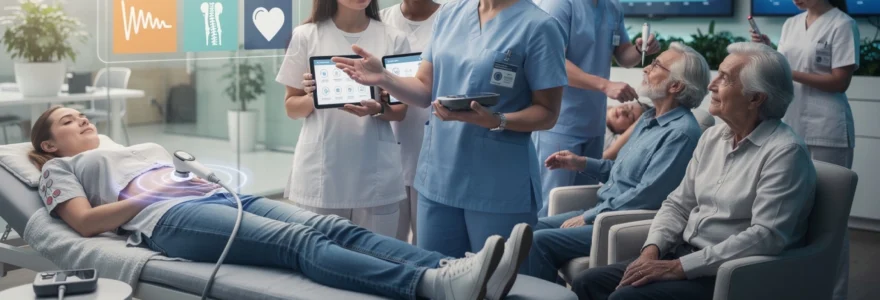
Healthcare delivery is undergoing a profound transformation as patients increasingly seek alternatives to traditional surgical interventions. This shift reflects a broader cultural evolution toward preventative medicine, reduced recovery times, and minimally disruptive treatment protocols. The medical community has responded with remarkable innovations across diagnostic and therapeutic domains, offering sophisticated non-invasive solutions that previously seemed impossible. From advanced imaging techniques that eliminate exploratory surgery to robotic-assisted procedures that minimize tissue trauma, the landscape of modern healthcare now prioritizes patient safety and comfort without compromising clinical outcomes. Recent studies reveal that non-invasive therapeutic modalities not only match but sometimes exceed the efficacy of conventional surgical approaches, challenging long-held assumptions about medical intervention hierarchy. As healthcare systems worldwide grapple with rising costs and increasing patient volumes, non-invasive methods present compelling advantages in resource efficiency, faster patient turnover, and reduced complication rates. Understanding the forces driving this paradigm shift—from demographic changes to technological breakthroughs—provides essential insight into the future trajectory of medical practice.
Demographic shifts driving patient preference for Non-Invasive therapeutic interventions
Contemporary healthcare preferences reflect generational attitudes, socioeconomic factors, and evolving expectations about medical treatment. The convergence of these demographic forces has fundamentally altered the patient-provider relationship, with individuals increasingly participating in treatment decisions rather than passively accepting recommendations. This transformation has accelerated demand for therapeutic options that align with patient values emphasizing quality of life, rapid recovery, and minimal disruption to daily activities.
Millennial and gen Z healthcare consumerism and minimally invasive expectations
Younger demographics approach healthcare with consumer-oriented mindsets shaped by digital connectivity and instant access to information. These cohorts demonstrate heightened skepticism toward traditional medical hierarchies and actively research treatment alternatives before committing to interventions. Studies indicate that approximately 73% of patients aged 25-40 consult online resources before medical appointments, creating informed consumers who specifically request minimally invasive treatment pathways. This generation values transparency in outcomes data, comparative effectiveness research, and patient testimonials when evaluating therapeutic options. Their preference for non-invasive methods extends beyond physical considerations to encompass lifestyle factors—maintaining work productivity during recovery, avoiding visible scarring, and minimizing pharmaceutical dependence align with broader wellness philosophies prevalent among younger demographics.
Ageing population demographics and reduced surgical risk tolerance
Paradoxically, while advancing age typically correlates with increased surgical need, older patients simultaneously face elevated procedural risks due to comorbidities, reduced physiological reserve, and polypharmacy complications. The global population aged 65 and older is projected to reach 1.5 billion by 2050, creating unprecedented demand for therapeutic approaches that accommodate frailty and complex medical histories. Non-invasive alternatives provide crucial options for elderly patients who might otherwise be deemed ineligible for conventional surgery due to cardiovascular compromise, coagulation disorders, or cognitive impairment. Research demonstrates that elderly patients experience significantly improved outcomes when treated with minimally invasive protocols, with complication rates reduced by up to 40% compared to traditional surgical approaches. This demographic shift has catalysed investment in technologies specifically designed for older adults, including sedation-free procedures, outpatient protocols, and treatments compatible with existing medication regimens.
Digital health literacy and Patient-Led treatment Decision-Making
The democratization of medical information through digital platforms has fundamentally altered power dynamics in healthcare settings. Patients now arrive at consultations equipped with detailed knowledge about diagnosis, prognosis, and treatment alternatives, transforming conversations from paternalistic recommendations to collaborative decision-making processes. Online patient communities, specialized forums, and peer support networks provide access to experiential knowledge that complements clinical expertise. This enhanced health literacy manifests in specific requests for non-invasive options, with patients citing evidence-based data on recovery times, complication profiles, and long-term outcomes. Healthcare providers report that approximately 62% of patients explicitly inquire about alternatives to surgery during initial consultations, reflecting widespread awareness of available options. The proliferation of wearable health monitoring devices further empowers patients to track their physiological responses to treatment, creating feedback loops that inform ongoing therapeutic adjustments and reinforce preferences for less invasive interventions that maintain normal activity patterns.
Insurance policy evolution favouring outpatient Non-Surgical protocols
Reimbursement structures have increasingly aligned with the clinical advantages of non-invasive care methods. Insurers in many markets now incentivise outpatient, day-case, and conservative management protocols through lower co-pays, bundled payments, and value-based contracts tied to complication rates and readmissions. This financial environment encourages providers to prioritise non-surgical options when clinically appropriate, especially in areas such as cardiology, musculoskeletal care, and mental health. As a result, patients are more frequently offered imaging-first pathways, neuromodulation, or guided physiotherapy instead of immediate operative solutions, reinforcing the perception that surgery is a last resort rather than a default.
Policy evolution is also driven by robust health economic evaluations demonstrating that minimally invasive and non-invasive pathways often reduce overall episode-of-care costs. When patients recover faster, require fewer inpatient days, and experience fewer adverse events, insurers benefit from lower long-term expenditure, while patients face fewer indirect costs such as time off work. In some systems, prior authorisation criteria explicitly require documented exploration of non-invasive alternatives before approving major surgery. This creates both a financial and regulatory nudge toward non-invasive treatment pathways, accelerating their adoption across diverse clinical settings.
Technological advancements in Non-Invasive medical modalities
The expanding toolkit of non-invasive technologies is one of the most powerful engines behind this shift in clinical practice. Innovations that once belonged to experimental labs are now integrated into everyday care, reshaping how conditions are diagnosed and treated. These modalities share a common goal: to deliver targeted therapeutic effects while preserving healthy tissue, reducing systemic exposure, and minimising disruption to patients’ lives. As these technologies mature, their evidence base strengthens, making it easier for clinicians to recommend them confidently and for patients to view them as credible alternatives to invasive procedures.
Importantly, many of these tools bridge the gap between outpatient and specialist care, enabling hospitals, ambulatory centres, and in some cases even home-based services to offer interventions that previously required operating theatres. From focused ultrasound that ablates tumours without incisions to light-based therapies that stimulate tissue repair, non-invasive therapeutic modalities are redefining what effective treatment can look like. For patients, this translates into shorter appointments, less anxiety, and the reassuring knowledge that treatment does not necessarily entail admission, anaesthesia, or significant downtime.
High-intensity focused ultrasound (HIFU) applications in oncology and aesthetics
High-Intensity Focused Ultrasound (HIFU) exemplifies how non-invasive care methods can rival traditional surgery in specific indications. In oncology, HIFU uses precisely focused sound waves to thermally ablate tumours in organs such as the prostate, liver, and uterus without skin incisions. Clinical studies have shown that for carefully selected prostate cancer patients, HIFU can achieve oncologic control comparable to surgery or radiotherapy, with lower rates of incontinence and sexual dysfunction. Because there is no open wound and no need for large incisions, recovery times are significantly shorter and many procedures are performed on an outpatient basis.
In aesthetics, HIFU-based devices are widely used for non-surgical skin tightening and body contouring, responding to growing patient demand for cosmetic enhancement without the risks of general anaesthesia. These applications leverage controlled thermal injury to stimulate collagen remodelling, producing gradual lifting and firming effects. Patients often prefer this gradual, “no-downtime” approach over immediate but more invasive surgical lifts. For providers, HIFU offers a scalable outpatient service line that addresses both medical and cosmetic needs, demonstrating how non-invasive therapeutic interventions can span traditional specialty boundaries.
Transcutaneous electrical nerve stimulation (TENS) for chronic pain management
Transcutaneous Electrical Nerve Stimulation (TENS) is a long-standing but increasingly sophisticated non-invasive tool for managing chronic pain. By delivering low-voltage electrical currents through surface electrodes, TENS units modulate nerve activity and pain perception, often providing meaningful relief without systemic medication. For patients with conditions such as low back pain, neuropathy, or osteoarthritis, TENS can be integrated into multimodal pain management plans, helping to reduce reliance on opioids and other pharmaceuticals with significant side effect profiles. In an era of heightened awareness about the risks of long-term analgesic use, this drug-sparing quality is particularly attractive.
Modern TENS devices are compact, wearable, and often app-connected, enabling patients to adjust settings within clinician-defined parameters and track their symptom patterns over time. This combination of self-management and remote oversight aligns with broader trends toward patient empowerment and digital health integration. Think of TENS as a “volume dial” on pain signalling: instead of shutting the system off entirely, it fine-tunes perception to more tolerable levels. For many individuals, this level of control over their symptoms is as important psychologically as it is physically, reinforcing trust in non-invasive pain management strategies.
Cryolipolysis and radiofrequency ablation in body contouring
Cryolipolysis and radiofrequency ablation highlight the growing role of non-invasive body contouring in both aesthetic and metabolic health contexts. Cryolipolysis, often referred to as “fat freezing,” uses controlled cooling to selectively damage adipocytes, which are then cleared by the body’s natural metabolic processes over subsequent weeks. Numerous clinical trials have documented consistent reductions in localised fat thickness with high patient satisfaction and minimal downtime. Because there are no incisions or sutures, the risk of infection and scarring is extremely low, and patients can usually return to normal activities immediately.
Radiofrequency (RF) ablation in the aesthetic context operates on the opposite end of the temperature spectrum, using controlled heating to induce collagen remodelling and mild fat reduction. Combined cryolipolysis and RF protocols are increasingly used to address both fat volume and skin laxity, offering a non-surgical alternative to procedures like liposuction or abdominoplasty for selected candidates. While outcomes may be more subtle than surgical options, many patients willingly trade maximal change for minimal risk and recovery. The popularity of these non-invasive body contouring techniques illustrates a broader behavioural shift: people are looking for incremental, low-disruption improvements rather than transformative but high-risk surgeries.
Extracorporeal shockwave therapy (ESWT) for musculoskeletal conditions
Extracorporeal Shockwave Therapy (ESWT) has emerged as a valuable non-invasive option for chronic musculoskeletal conditions that historically led to surgery or long-term medication use. ESWT delivers focused or radial acoustic waves to targeted tissues, stimulating neovascularisation, modulating inflammation, and promoting tissue regeneration. Conditions such as plantar fasciitis, lateral epicondylitis (tennis elbow), and calcific tendinopathy of the shoulder have shown favourable responses in randomised trials, with many patients reporting significant pain reduction and functional improvement after a short series of sessions. For individuals who have already tried rest, physiotherapy, and pharmacologic measures, ESWT offers a bridge between conservative care and operative intervention.
Clinically, ESWT can be compared to giving a “reset signal” to chronically irritated tissues, encouraging a more organised healing response. Sessions are typically brief, performed in outpatient settings, and require no anaesthesia beyond local or topical measures. Although transient discomfort during treatment is common, serious complications are rare. This safety profile, combined with the potential to delay or avoid surgery, makes ESWT an increasingly important component of non-invasive musculoskeletal rehabilitation. Providers who integrate ESWT with structured physiotherapy and load management strategies often see the best long-term results.
Low-level laser therapy (LLLT) and photobiomodulation in tissue regeneration
Low-Level Laser Therapy (LLLT), also known as photobiomodulation, uses specific wavelengths of light to influence cellular functions and promote tissue repair. When applied at appropriate doses, this light energy is absorbed by mitochondrial chromophores, enhancing ATP production and modulating oxidative stress. The result is a cascade of biological effects that can reduce inflammation, relieve pain, and accelerate healing in soft tissue injuries, neuropathic conditions, and certain dermatologic disorders. For patients recovering from sports injuries or managing chronic joint pain, LLLT offers a non-pharmacologic option that can be repeated frequently with minimal risk.
Photobiomodulation is also gaining traction in wound care and postoperative recovery, where it can support granulation tissue formation and reduce oedema. A useful analogy is to imagine LLLT as a “metabolic charger” for cells operating below optimal capacity, helping them restore normal function without forcing a dramatic physiological shift. As devices become more refined and protocols more standardised, we are likely to see broader integration of LLLT into mainstream rehabilitation and pain clinics. This reinforces the central theme of non-invasive therapeutic modalities: leveraging the body’s intrinsic healing mechanisms rather than overriding them with aggressive structural interventions.
Evidence-based clinical outcomes validating Non-Invasive treatment efficacy
While patient preference and technological novelty are important, non-invasive care methods must ultimately stand on the strength of their clinical outcomes. Over the past decade, a growing body of high-quality research has directly compared surgical and non-surgical pathways across multiple specialties. These studies examine not only primary endpoints such as symptom relief and survival but also secondary outcomes like quality of life, patient satisfaction, and healthcare utilisation. Increasingly, the data show that for many conditions, non-invasive or minimally invasive options are not merely acceptable compromises but robust first-line choices.
Evidence from randomised controlled trials, large registries, and real-world observational studies has shifted clinical guidelines and payer policies alike. For instance, MRI-first strategies for suspected cardiac events, neuromodulation for depression, and imaging-guided conservative care for certain orthopaedic problems are now embedded in many protocols. As you consider treatment options—either as a clinician advising patients or as an individual weighing your own care—it is helpful to understand how these evidence-based comparisons inform modern recommendations for non-invasive treatment pathways.
Randomised controlled trials comparing surgical versus Non-Surgical interventions
Randomised controlled trials (RCTs) provide the highest level of evidence when assessing non-invasive versus invasive approaches. In cardiology, for example, studies examining imaging-first strategies in suspected non-ST-elevation myocardial infarction (NSTEMI) cases have shown that a significant proportion of patients may avoid unnecessary invasive coronary angiography when cardiac MRI is performed upfront. In one representative study, MRI findings suggested that around one in five patients did not require invasive angiography, as their symptoms were attributable to alternative diagnoses rather than obstructive coronary disease. This kind of data underpins guideline shifts toward non-invasive diagnostic pathways that reduce procedural risk without compromising safety.
Similar RCTs in orthopaedics and spine care have compared early surgery with structured physiotherapy and non-invasive pain management for conditions such as lumbar disc herniation or degenerative meniscal tears. Many of these trials report that while surgery may offer faster symptom relief in some cases, long-term outcomes at one to two years are often equivalent between surgical and conservative cohorts. This raises an important question for patients and clinicians: if outcomes converge over time, is the added risk and recovery burden of surgery always justified? For an increasing number of indications, the answer is “not necessarily,” validating the role of non-invasive therapeutic interventions as legitimate primary strategies.
Long-term patient satisfaction metrics in conservative management approaches
Clinical success is not defined solely by laboratory values or imaging results; patient satisfaction and lived experience play a crucial role in evaluating treatment efficacy. Long-term follow-up studies frequently reveal that patients who choose non-invasive care methods report high satisfaction scores, particularly when they feel actively involved in the decision-making process. Factors such as preserved function, fewer lifestyle restrictions, and avoidance of surgical scars or implants contribute significantly to positive perceptions. For many individuals, the knowledge that they have preserved future options—keeping surgery in reserve if needed—provides psychological reassurance and enhances satisfaction.
Patient-reported outcome measures (PROMs) consistently highlight the importance of rapid return to daily activities, reduced pain burden, and minimal interference with work or caregiving responsibilities. Conservative management approaches, when well-structured and adequately supported, often perform strongly on these metrics. It is analogous to choosing a route that may be slightly longer in theory but avoids traffic and detours—patients often value the smoother, less stressful journey as much as the final destination. As health systems increasingly adopt value-based frameworks, these satisfaction indices further legitimise non-invasive therapeutic pathways in clinical practice.
Complication rate reduction and recovery time analysis
One of the most compelling arguments for non-invasive care methods lies in their impact on complication rates and recovery trajectories. Invasive procedures, by definition, carry risks such as infection, bleeding, anaesthesia-related events, and longer immobilisation, all of which can trigger downstream health issues. Comparative analyses frequently demonstrate that non-invasive or minimally invasive strategies are associated with substantially lower rates of serious adverse events. For example, the risk of major complications from diagnostic MRI or CT imaging is negligible compared to that of exploratory surgery or invasive angiography, yet the diagnostic yield can be comparable or even superior in specific contexts.
Recovery time is another critical variable, both for patients and for health systems managing bed availability and staffing. When an individual can resume normal activities within days rather than weeks, the benefits extend beyond personal convenience to include reduced sick leave, lower rehabilitation needs, and decreased caregiver burden. Analyses in fields such as cardiology, neurology, and orthopaedics have shown that non-invasive care pathways often cut overall recovery periods by half or more. For patients juggling work, family, and other responsibilities, this difference can be decisive in choosing between treatment options.
Cost-effectiveness studies in Non-Invasive versus invasive care pathways
Health economic evaluations provide a structured way to compare the true cost of non-invasive versus invasive approaches, incorporating not just procedural expenses but also downstream effects such as complications, re-interventions, and productivity losses. Many cost-effectiveness studies have concluded that non-invasive diagnostic and therapeutic strategies yield favourable cost per quality-adjusted life year (QALY) compared to more aggressive interventions, particularly in chronic disease management. For example, routine use of advanced imaging to triage suspected cardiac or oncologic cases can prevent unnecessary surgeries, hospital stays, and intensive care utilisation, generating substantial system-wide savings.
From an organisational standpoint, investment in non-invasive medical technology can also enhance throughput and scalability. Outpatient procedures require fewer inpatient beds and shorter staff-intensive episodes of care, allowing facilities to treat more patients with the same or fewer resources. When you combine lower complication rates, shorter recovery times, and reduced indirect costs, the economic case for prioritising non-invasive care methods becomes difficult to ignore. This financial logic reinforces clinical and patient-centred arguments, aligning stakeholders around a shared interest in rebalancing care away from routine surgical dependency.
Integrative medicine and holistic Non-Invasive therapeutic frameworks
Beyond high-tech devices and imaging suites, non-invasive care also encompasses a broad spectrum of hands-on and holistic approaches rooted in integrative medicine. These disciplines focus on restoring functional balance, optimising biomechanics, and supporting the body’s innate capacity to heal. While they differ in philosophy and technique, they share a common emphasis on manual assessment, gentle correction, and personalised care plans that extend beyond symptom suppression. Increasingly, mainstream healthcare systems are incorporating these modalities into interdisciplinary clinics, recognising their value as adjuncts or alternatives to pharmacologic and surgical interventions.
Patients often experience integrative, non-invasive therapies as more collaborative and relationship-centred than traditional procedural care. Practitioners typically allocate more time to understanding lifestyle factors, stressors, and individual goals, weaving these insights into comprehensive treatment strategies. As demand for person-centred, non-pharmaceutical solutions grows, osteopathy, chiropractic care, acupuncture, and physiotherapy are moving from the margins of healthcare into the core of non-invasive therapeutic frameworks.
Osteopathic manipulative treatment (OMT) and spinal mobilisation techniques
Osteopathic Manipulative Treatment (OMT) involves a suite of hands-on techniques aimed at improving musculoskeletal alignment, circulation, and nervous system function. By applying gentle pressure, stretching, and mobilisation to joints and soft tissues, osteopathic practitioners seek to alleviate pain, enhance mobility, and support systemic health. Evidence suggests that OMT can be effective in conditions such as low back pain, tension headaches, and certain postural syndromes, often reducing the need for long-term analgesics or invasive procedures. Patients frequently appreciate that these interventions are tailored to their unique anatomy and delivered in a calm, low-risk environment.
Spinal mobilisation techniques used in OMT are typically more subtle than high-velocity manipulations, making them suitable for a wider range of patients, including older adults and those with osteoporosis or other fragility concerns. Think of OMT as a way of “fine-tuning” the body’s mechanical framework, similar to aligning a car’s wheels to prevent uneven wear and improve performance. When combined with exercise prescription and ergonomic advice, OMT can form a cornerstone of non-invasive musculoskeletal management, complementing more technologically driven therapies like ESWT or TENS.
Acupuncture and traditional chinese medicine integration in western healthcare
Acupuncture, a central component of Traditional Chinese Medicine (TCM), has transitioned from alternative fringe therapy to a recognised complementary option in many Western healthcare settings. By inserting fine needles into specific points along meridians, acupuncture aims to modulate pain pathways, autonomic nervous system balance, and local tissue perfusion. Randomised trials and systematic reviews have documented benefits in conditions such as chronic low back pain, migraine, osteoarthritis, and chemotherapy-induced nausea, leading several professional bodies to include acupuncture as a recommended non-invasive pain management strategy.
Integration of acupuncture within hospitals and primary care clinics often focuses on evidence-backed indications, blending TCM principles with Western diagnostic frameworks. For patients wary of medication side effects or seeking more holistic support, acupuncture can serve as a bridge between conventional and complementary approaches. It encourages a broader view of health that incorporates stress management, sleep quality, and emotional wellbeing—factors that strongly influence recovery from illness or surgery. As research into mechanisms and outcomes expands, acupuncture is likely to remain a key player in integrative, non-invasive therapeutic models.
Chiropractic adjustments for neuromusculoskeletal dysfunction
Chiropractic care focuses on the diagnosis and treatment of neuromusculoskeletal disorders, particularly those involving the spine. Through manual adjustments and manipulations, chiropractors seek to restore joint mobility, reduce nerve irritation, and alleviate pain. For many patients with mechanical low back or neck pain, chiropractic adjustments provide rapid symptom relief and improved function, often with fewer side effects than long-term pharmacologic regimens. Some comparative studies have found that spinal manipulation can be as effective as conventional medical care and physiotherapy for certain back pain presentations, highlighting its role as a non-invasive option within a broader continuum of care.
Of course, chiropractic interventions—like all treatment modalities—must be carefully matched to appropriate candidates, with thorough screening for red flags and contraindications. When integrated into multidisciplinary pathways that include imaging, exercise therapy, and patient education, chiropractic adjustments can help reduce reliance on imaging-heavy, surgery-first paradigms for common musculoskeletal complaints. In this context, chiropractic becomes one more tool in a diversified non-invasive neuromusculoskeletal care toolkit, offering patients choice and flexibility in how they address pain and dysfunction.
Physiotherapy protocols and manual therapy modalities
Physiotherapy is perhaps the most widely recognised non-invasive discipline, encompassing exercise prescription, manual therapy, education, and modalities such as ultrasound or taping. Structured physiotherapy protocols are core components of conservative management for conditions ranging from sports injuries and post-operative rehabilitation to chronic respiratory and neurological diseases. By focusing on movement quality, strength, and endurance, physiotherapists help patients build resilience rather than simply masking symptoms. In many clinical guidelines, physiotherapy is explicitly recommended as the first-line intervention before considering surgical options for conditions like rotator cuff tears or degenerative spinal disease.
Manual therapy, including joint mobilisation, soft tissue techniques, and guided stretching, complements exercise-based interventions by addressing pain and stiffness that limit participation in active rehabilitation. A helpful analogy is to view physiotherapy as a personalised training programme designed not for athletic performance but for everyday life, tailored to each person’s baseline capacity and goals. When delivered consistently and supported by digital tools such as tele-rehabilitation platforms, physiotherapy can significantly reduce the need for invasive interventions, reinforcing the central role of non-invasive therapeutic care in modern medicine.
Regulatory frameworks and clinical governance in Non-Invasive care delivery
As non-invasive medical technologies and integrative therapies proliferate, robust regulatory frameworks and clinical governance structures are essential to ensure safety, efficacy, and ethical practice. Regulatory agencies evaluate devices, drugs, and procedural protocols through rigorous approval processes, requiring evidence from laboratory research, clinical trials, and post-marketing surveillance. Non-invasive devices—ranging from home-use TENS units to high-energy HIFU systems—must meet strict standards for performance, electromagnetic compatibility, and user safety. This oversight protects patients from unproven or poorly designed products that might otherwise exploit the popularity of non-invasive care methods.
Clinical governance within healthcare organisations further reinforces quality by establishing protocols for training, credentialing, and ongoing competency assessment. Multidisciplinary committees often review new non-invasive technologies before adoption, weighing evidence, cost, and alignment with strategic priorities. Clear guidelines dictate which professionals may operate specialised equipment, how outcomes should be monitored, and what thresholds trigger audits or protocol revisions. For patients, this translates into a more predictable experience: regardless of where you receive care, you can expect that non-invasive interventions have been systematically evaluated and are delivered under appropriate supervision.
Ethical considerations also feature prominently in regulatory discussions around non-invasive treatments. Because many of these interventions are marketed directly to consumers—particularly in the aesthetic and wellness sectors—authorities must guard against exaggerated claims and misinformation. Advertising standards, informed consent requirements, and data privacy regulations (especially for connected devices and apps) all play vital roles. Thoughtful governance aims to strike a balance: fostering innovation and expanding access to beneficial non-invasive therapeutic options, while preventing overuse, inappropriate indications, or the normalisation of unnecessary procedures.
Future trajectories in Non-Invasive medical technology and patient-centred care models
Looking ahead, non-invasive medicine is poised to become even more personalised, data-driven, and seamlessly integrated into everyday life. Advances in artificial intelligence, machine learning, and sensor technology will allow diagnostic and therapeutic systems to adapt in real time to each patient’s physiological signals. Imagine wearable devices that not only monitor heart rhythm or glucose levels but also trigger targeted, non-invasive interventions—such as neuromodulation pulses or photobiomodulation sessions—when early signs of decompensation are detected. In this model, care shifts from episodic and reactive to continuous and preventative, tightly aligned with the principles of patient-centred non-invasive care.
We can also expect further convergence between non-invasive diagnostics and therapeutics. Techniques like focused ultrasound, already used for both imaging and treatment, may evolve into multifunctional platforms that visualise pathology and deliver therapy within the same session. Similarly, non-invasive neuromodulation—through magnetic, electrical, or ultrasound-based methods—is being explored for an expanding list of indications, from depression and anxiety to Parkinson’s disease and chronic pain. As public perception studies have shown, patients are often enthusiastic about these options when they receive clear, balanced information about benefits and risks.
From a systems perspective, future care models will likely emphasise hybrid pathways that combine telemedicine, home-based monitoring, and targeted in-clinic procedures. This will require new reimbursement frameworks, interoperable digital infrastructures, and expanded training for clinicians across disciplines. For you as a patient or healthcare professional, the key implication is clear: the menu of safe, effective, non-invasive care methods will continue to grow, offering more choice and flexibility than ever before. By staying informed and engaging actively in shared decision-making, you can help ensure that these innovations are used judiciously—prioritising treatments that not only work well on paper but also align with individual values, lifestyles, and long-term wellbeing.
 Good health cannot be bought, but rather is an asset that you must create and then maintain on a daily basis.