
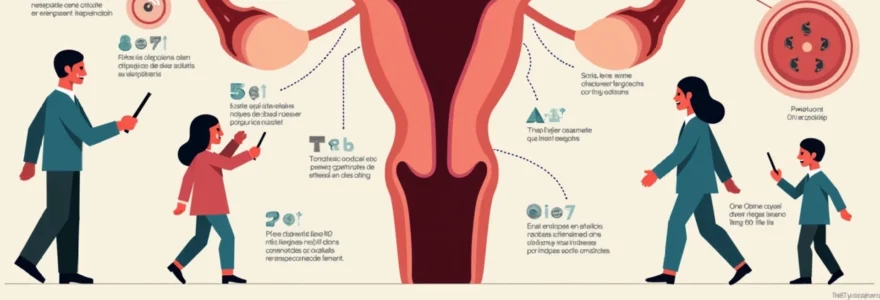
When healthcare providers discuss cervical effacement during labour, the percentage figure represents one of the most critical indicators of birth preparation. A cervix that is 70% effaced has undergone significant thinning and softening, marking a substantial milestone in the journey towards delivery. This measurement, often overlooked in favour of dilation statistics, provides essential insights into how your body is preparing for childbirth and what you can expect as labour progresses.
Understanding cervical effacement becomes particularly important when you reach the 70% threshold, as this stage often signals that active labour may be imminent. Unlike dilation, which measures the opening of the cervix, effacement describes the transformation of cervical tissue from thick and firm to thin and pliable. This process enables your baby to move through the birth canal more effectively when the time comes for delivery.
Cervical effacement physiology during third trimester labour
The cervical effacement process begins weeks before active labour commences, particularly in first-time mothers. During the third trimester, hormonal changes trigger a cascade of physiological events that gradually transform the cervix from its protective, closed state to a structure capable of allowing passage for childbirth. This transformation involves complex biochemical processes that affect the cervical matrix composition.
Prostaglandins play a crucial role in initiating effacement by promoting cervical ripening. These hormone-like substances cause the breakdown of collagen fibres within the cervical tissue, leading to increased water content and tissue softening. As prostaglandin levels rise during late pregnancy, the cervix begins to shorten from its normal length of approximately 4 centimetres.
Collagen remodelling and cervical matrix changes
The cervical matrix undergoes dramatic restructuring during effacement, with collagen fibres becoming less densely packed and more flexible. This remodelling process involves the activation of matrix metalloproteinases, enzymes that break down the existing collagen structure. As these enzymes work, they create space for increased water retention, contributing to the softening effect that characterises cervical ripening.
Hyaluronic acid concentrations increase significantly during effacement, further enhancing tissue hydration and flexibility. This biochemical change allows the cervix to stretch and thin more readily when contractions apply pressure. The transformation from a rigid, protective barrier to a pliable passage represents one of pregnancy’s most remarkable adaptations.
Prostaglandin E2 and ripening agent mechanisms
Prostaglandin E2 (PGE2) serves as the primary mediator of cervical ripening, working through multiple pathways to promote effacement. This compound increases blood flow to cervical tissues whilst simultaneously promoting collagen breakdown. The enhanced circulation delivers additional nutrients and hormones that support the ripening process, creating a positive feedback loop that accelerates cervical preparation.
Natural prostaglandin production increases dramatically during the final weeks of pregnancy, often correlating with the timing of spontaneous labour onset. When prostaglandin levels reach sufficient concentrations, they trigger the release of additional ripening agents, including nitric oxide and various cytokines that further promote cervical transformation.
Bishop score assessment and effacement measurement
The Bishop Score provides a standardised method for assessing cervical readiness for labour, incorporating effacement as one of five key components. This scoring system assigns points based on effacement percentage, with 0% receiving 0 points, 40-50% earning 1 point, 60-70% scoring 2 points, and 80% or greater achieving 3 points. A 70% effaced cervix therefore contributes significantly to an overall favourable Bishop Score.
Healthcare providers use this scoring system to predict the likelihood of successful labour induction and estimate the timeframe for spontaneous labour onset. Cervical effacement measurements within the 70% range typically indicate that natural labour may commence within days or weeks, though individual variation remains considerable.
Primigravida vs multigravida effacement patterns
First-time mothers (primigravidas) typically experience effacement before significant dilation occurs, often achieving 70-80% effacement whilst remaining closed or minimally dilated. This pattern reflects the cervix’s need to undergo complete structural changes before opening can begin. The effacement process may take several weeks in primigravidas, gradually preparing the cervix for the rapid changes that occur during active labour.
Women who have given birth previously (multigravidas) often demonstrate simultaneous effacement and dilation, with both processes occurring more rapidly once labour begins. Multiparous cervices retain some of the structural changes from previous births, allowing for more efficient transformation during subsequent pregnancies. This difference explains why second and subsequent labours often progress more quickly than first births.
Clinical measurement techniques for 70% cervical effacement
Accurate assessment of cervical effacement requires skilled clinical examination techniques that can reliably distinguish between different percentage stages. Healthcare providers employ various methods to evaluate effacement, each with specific advantages and limitations. The most commonly used approach involves digital vaginal examination, though ultrasound assessment has gained popularity for its objectivity and reduced infection risk.
Clinical measurement accuracy becomes particularly important when effacement reaches 70%, as this threshold often influences clinical decision-making regarding labour management and intervention timing. Consistent measurement techniques ensure that healthcare teams can track progress effectively and make informed decisions about care escalation when necessary.
Digital vaginal examination protocol standards
Digital vaginal examination remains the gold standard for effacement assessment in most clinical settings. During this procedure, the healthcare provider uses sterile technique to assess cervical length, consistency, and thickness. The examination involves gentle palpation of the cervical tissue to determine how much thinning has occurred compared to the pre-labour cervical length.
Proper examination technique requires the provider to assess the cervical length from the internal os to the external os, comparing this measurement to the expected 4-centimetre baseline length. A cervix that has shortened to approximately 1.2 centimetres would be classified as 70% effaced, representing a significant reduction from its original length.
Transvaginal ultrasound cervical length assessment
Transvaginal ultrasound offers an objective, reproducible method for measuring cervical length and calculating effacement percentages. This technique eliminates the subjectivity inherent in digital examination whilst providing precise measurements that can be documented and compared over time. Ultrasound assessment proves particularly valuable when examining women with intact membranes or when infection risk concerns limit digital examination frequency.
The ultrasound measurement involves placing a transvaginal probe to visualise the cervical canal and measure the distance between the internal and external cervical os. Sonographic cervical length correlates well with clinical effacement estimates, though slight variations may occur due to differences in measurement technique and cervical positioning.
Inter-observer variability in effacement grading
Despite standardised assessment protocols, inter-observer variability remains a significant challenge in effacement measurement. Different healthcare providers may assign varying effacement percentages to the same cervix, particularly when measurements fall between standard categories. This variability can affect clinical decision-making and patient counselling about labour progression expectations.
Training programmes increasingly emphasise standardised examination techniques and regular competency assessments to minimise measurement variations. Quality assurance protocols may include periodic inter-observer reliability testing to ensure consistent assessment practices across healthcare teams.
Documentation standards for labour ward records
Accurate documentation of effacement measurements requires specific terminology and consistent recording practices. Healthcare providers typically document effacement as a percentage alongside other cervical assessment parameters, including dilation, station, position, and consistency. This comprehensive documentation enables effective communication between healthcare team members and facilitates continuity of care during shift changes.
Electronic health records increasingly incorporate structured data entry fields for cervical assessment, reducing documentation errors and improving data consistency. Standardised documentation practices also support quality improvement initiatives and research activities that depend on accurate clinical data collection.
Labour progression indicators when 70% effaced
When cervical effacement reaches 70%, several physiological indicators suggest that labour progression is advancing steadily. This stage represents a crucial transition point where the cervix has undergone substantial preparation for delivery, though complete effacement and full dilation still lie ahead. Understanding these progression indicators helps both healthcare providers and expectant mothers recognise the significance of reaching this milestone.
The 70% effacement threshold often coincides with increased uterine contractility and enhanced cervical sensitivity to hormonal influences. Braxton Hicks contractions may become more frequent and intense, sometimes evolving into regular labour contractions. Many women notice increased pelvic pressure and changes in vaginal discharge as the cervix continues its transformation.
Research indicates that women who achieve 70% effacement before labour onset often experience shorter active labour phases compared to those with minimal effacement. This correlation suggests that significant effacement before active labour represents effective preparation that facilitates subsequent progression. However, individual variation remains substantial, and effacement alone cannot predict exact labour timing.
The cervical effacement process creates a foundation for efficient labour progression, with 70% effacement representing substantial preparation that often correlates with favourable labour outcomes.
Signs of labour progression at 70% effacement include increased bloody show, more frequent and stronger contractions, and notable changes in fetal positioning. The baby may descend further into the pelvis, creating additional pressure on the cervix that promotes continued effacement and eventual dilation. These changes often occur gradually over several days or may progress rapidly once active labour begins.
Healthcare providers monitor several key indicators alongside effacement to assess labour progression. Fetal station measurements track the baby’s descent through the birth canal, whilst contraction frequency and intensity provide insights into uterine activity effectiveness. Changes in maternal vital signs and fetal heart rate patterns also contribute to the overall assessment of labour progression.
Obstetric interventions at 70% effacement stage
The 70% effacement milestone influences various obstetric intervention decisions, as this degree of cervical preparation often indicates readiness for certain procedures. Healthcare providers consider effacement status when evaluating the appropriateness of labour induction methods, membrane sweeping, and other interventions designed to promote labour progression. The favourable cervical conditions associated with 70% effacement typically improve intervention success rates.
Clinical guidelines increasingly recognise effacement as a critical factor in intervention timing and selection. Evidence-based protocols incorporate effacement measurements into decision-making algorithms that guide appropriate intervention choices. This approach helps optimise outcomes whilst minimising unnecessary interventions that may increase complication risks.
Membrane sweeping technique and success rates
Membrane sweeping becomes more feasible and effective when the cervix reaches 70% effacement, as the softened, thinned cervical tissue allows easier access to the amniotic sac. This procedure involves digitally separating the amniotic membrane from the lower uterine segment, releasing prostaglandins that may trigger labour onset. Success rates improve significantly when performed on a cervix with substantial effacement.
Studies demonstrate that membrane sweeping performed at 70% effacement or greater results in labour onset within 48-72 hours in approximately 60-70% of cases. The procedure’s effectiveness correlates with the degree of cervical ripening, with highly effaced cervices responding more favourably than those with minimal preparation. Patient selection criteria typically include adequate effacement alongside appropriate gestational age and absence of contraindications.
Oxytocin augmentation protocol considerations
Cervical effacement status influences oxytocin augmentation protocols, as a 70% effaced cervix typically responds more readily to synthetic oxytocin stimulation. Healthcare providers may initiate augmentation at lower oxytocin doses when effacement is advanced, reducing the risk of uterine hyperstimulation whilst achieving effective contraction enhancement. This tailored approach optimises outcomes whilst minimising intervention-related complications.
Protocol modifications for women with 70% effacement often include more conservative starting doses and gradual titration schedules. Individualised dosing regimens take into account cervical readiness alongside other clinical factors, such as parity, gestational age, and previous labour history. This personalised approach improves success rates whilst maintaining safety standards.
Artificial rupture of membranes decision making
The decision to perform artificial rupture of membranes (amniotomy) considers cervical effacement as a key factor, with 70% effacement often supporting the procedure’s appropriateness. Well-effaced cervices typically respond more favourably to amniotomy, with improved contraction patterns and enhanced labour progression following membrane rupture. This intervention becomes particularly relevant when labour progression stalls despite adequate effacement.
Clinical guidelines recommend considering amniotomy when effacement reaches 70% or greater, particularly in combination with adequate dilation and appropriate fetal station. Risk-benefit assessments weigh the potential for enhanced labour progression against increased infection risk and other procedure-related complications.
Complications and risk factors associated with incomplete effacement
Incomplete cervical effacement can lead to various labour complications, including prolonged labour, increased intervention requirements, and higher rates of operative delivery. When effacement fails to progress beyond 70% despite adequate time and uterine activity, healthcare providers must consider underlying factors that may be impeding normal cervical preparation. These situations require careful evaluation and potentially modified management approaches.
Risk factors for incomplete effacement include advanced maternal age, previous cervical surgery or trauma, certain connective tissue disorders, and inadequate prostaglandin production. Nulliparous women may experience slower effacement progression compared to multiparous patients, though this variation typically represents normal physiological differences rather than pathological conditions.
Cervical dystocia represents one of the most significant complications associated with incomplete effacement, occurring when the cervix fails to efface and dilate despite strong, regular contractions. This condition may necessitate caesarean delivery if conservative management fails to achieve adequate cervical preparation. Early recognition of effacement problems allows for timely intervention and improved outcomes.
Incomplete cervical effacement can significantly impact labour progression and delivery outcomes, making early identification and appropriate management essential for optimal results.
Infection risks increase when effacement remains incomplete after membrane rupture, as prolonged labour exposure elevates bacterial contamination possibilities. Healthcare providers monitor temperature, white blood cell counts, and other infection markers more closely in cases of delayed effacement progression. Antibiotic prophylaxis may be considered when infection risk factors accumulate alongside incomplete cervical preparation.
Management strategies for incomplete effacement include cervical ripening agents, such as prostaglandin preparations, mechanical dilation methods, and occasionally, cervical massage techniques. These interventions aim to promote the biochemical and physical changes necessary for adequate effacement whilst minimising maternal and fetal risks. Success rates vary depending on the underlying cause of delayed effacement and individual patient factors.
 Good health cannot be bought, but rather is an asset that you must create and then maintain on a daily basis.