
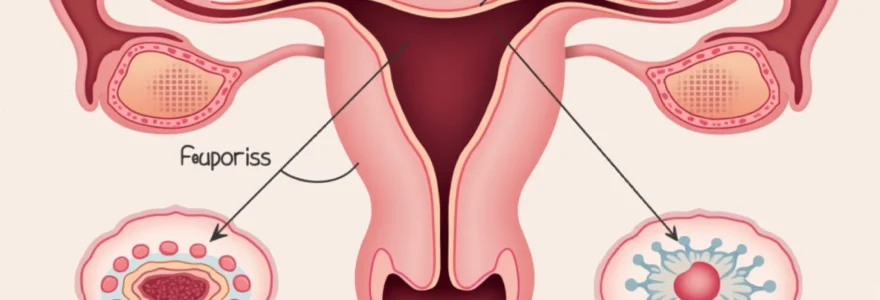
The Loop Electrosurgical Excision Procedure (LEEP) represents a crucial intervention for treating cervical dysplasia, yet many patients experience uncertainty about the healing process, particularly regarding scab formation and detachment. This protective layer, medically termed an eschar, forms naturally following the electrocautery process and serves as the body’s defence mechanism whilst underlying tissues regenerate. Understanding what occurs when this scab naturally separates is essential for distinguishing normal recovery from potential complications that may require medical intervention.
The detachment of the LEEP scab marks a significant milestone in cervical healing, typically occurring between seven to fourteen days post-procedure. During this period, patients may experience various physical manifestations, from mild bleeding to altered vaginal discharge patterns. Proper knowledge of these expected changes empowers patients to monitor their recovery effectively whilst recognising warning signs that necessitate immediate medical attention.
LEEP scab formation and healing timeline after cervical excision
The formation of a protective scab following LEEP occurs through a carefully orchestrated biological process that begins immediately after the electrocautery procedure concludes. This natural response involves complex interactions between blood coagulation mechanisms, inflammatory mediators, and cellular repair pathways that work collectively to shield the excised cervical tissue from external threats.
Electrocautery-induced tissue response and initial scab development
The electrocautery component of LEEP creates controlled thermal injury to cervical tissues, triggering an immediate coagulation cascade that forms the initial scab foundation. This process involves the rapid aggregation of platelets at the wound site, followed by fibrin deposition that creates a stable clot matrix. The thermal energy from the electrocautery loop simultaneously seals small blood vessels, reducing immediate bleeding whilst promoting the formation of a durable protective layer.
Within the first 24 hours post-procedure, inflammatory cells migrate to the treatment site, releasing cytokines and growth factors that facilitate early wound healing. This inflammatory response is essential for proper scab formation, as it initiates the recruitment of fibroblasts and other repair cells necessary for tissue reconstruction. The initial scab appears as a greyish-brown coating over the excised area, firmly adherent to the underlying cervical tissue.
Epithelial regeneration process during 7-14 day recovery period
The seven to fourteen-day period following LEEP represents the most critical phase of epithelial regeneration, during which new cervical cells proliferate beneath the protective scab. This process, known as re-epithelialisation, involves the migration of healthy epithelial cells from the wound margins towards the centre of the excised area. The scab provides an optimal microenvironment for this cellular activity, maintaining appropriate moisture levels whilst preventing bacterial contamination.
During this regenerative phase, growth factors such as epidermal growth factor and transforming growth factor-beta orchestrate the proliferation and differentiation of epithelial cells. The quality of this regeneration directly influences long-term cervical health outcomes, making proper post-operative care during this period absolutely crucial. Patients may notice subtle changes in vaginal discharge as the underlying tissue matures and the scab preparation for natural detachment begins.
Cervical mucosa repair mechanisms following loop electrosurgical procedure
The cervical mucosa employs sophisticated repair mechanisms to restore both structural integrity and functional capacity following LEEP. These mechanisms involve the coordinated action of various cell types, including epithelial cells, stromal fibroblasts, and endothelial cells that work to rebuild the complex architecture of cervical tissue. The repair process progresses through distinct phases: inflammation, proliferation, and remodelling, each characterised by specific cellular activities and molecular signalling pathways.
Angiogenesis, the formation of new blood vessels, plays a particularly important role in cervical mucosa repair. This process ensures adequate nutrient and oxygen delivery to the healing tissue whilst facilitating the removal of metabolic waste products. The successful establishment of new vascular networks beneath the scab is essential for proper healing and influences the timing of natural scab detachment. Disruption of these delicate processes through infection or trauma can significantly delay recovery and increase complication risk.
Factors influencing scab adherence and natural detachment
Multiple factors influence both the adherence strength of the LEEP scab and the timing of its natural detachment. Patient-specific variables such as age, immune function, hormonal status, and pre-existing medical conditions significantly impact healing dynamics. Younger patients typically experience faster epithelial regeneration and earlier scab detachment, whilst those with compromised immune systems may require extended healing periods.
Environmental factors also play a crucial role in scab adherence patterns. Maintaining appropriate hygiene without excessive manipulation, avoiding irritants such as douches or scented products, and following activity restrictions help ensure optimal scab stability during the healing process. The natural hormonal fluctuations associated with the menstrual cycle can also influence tissue healing rates and may affect the timing of scab separation in premenopausal women.
Physical manifestations when LEEP scab naturally detaches
The natural detachment of the LEEP scab typically occurs gradually over several hours to days, rather than as a single dramatic event. This process involves the progressive weakening of adhesive bonds between the scab and underlying regenerated tissue as new epithelial cells complete their migration and maturation. Patients often first notice subtle changes in vaginal discharge characteristics before experiencing more obvious signs of scab separation.
Vaginal discharge characteristics during eschar separation
During eschar separation, vaginal discharge typically increases in volume and may change in colour and consistency compared to the usual post-LEEP discharge pattern. The discharge often becomes more watery initially, with possible intermittent brown or dark red streaking as small portions of the scab begin to loosen. This change reflects the natural lubrication of the scab-tissue interface as separation commences.
As the separation process progresses, patients may notice small tissue fragments within their discharge, representing portions of the detached scab. These fragments typically appear as small, dark, irregularly shaped pieces that may have a somewhat firm consistency. The presence of these fragments is entirely normal and indicates successful completion of the initial healing phase. The discharge volume usually peaks during the most active phase of scab detachment before gradually returning to normal levels.
Bleeding patterns and volume expectations Post-Scab removal
Bleeding associated with LEEP scab detachment typically manifests as light to moderate spotting that may persist for several days following the separation event. This bleeding occurs due to the temporary exposure of newly formed, delicate capillaries within the regenerated epithelial layer. The bleeding volume should remain significantly lighter than a typical menstrual period and gradually decrease over time.
The bleeding pattern often follows a predictable course, beginning with light spotting that may intensify briefly during the peak detachment phase before steadily diminishing. Some patients experience intermittent bleeding episodes rather than continuous flow, reflecting the gradual nature of scab separation. Heavy bleeding exceeding normal menstrual flow warrants immediate medical evaluation, as this may indicate complications such as arterial bleeding or infection requiring intervention.
Tissue fragment appearance and composition analysis
The tissue fragments passed during LEEP scab detachment consist primarily of coagulated blood, fibrin, and devitalised epithelial cells that formed the protective layer. These fragments typically measure between 2-10 millimetres in diameter and display an irregular, somewhat crumbly texture when examined. The colour ranges from dark brown to black, reflecting the presence of altered blood products and cellular debris.
Microscopic analysis of these fragments would reveal a complex mixture of fibrin strands, trapped red blood cells, inflammatory cells, and fragments of epithelial tissue. The composition reflects the organised structure that developed during the initial healing response. Fragments containing unusual colours such as bright red tissue or foul-smelling material should be reported to healthcare providers, as these characteristics may indicate complications requiring evaluation.
Pain and discomfort levels associated with natural detachment
Most patients experience minimal pain during natural LEEP scab detachment, with discomfort levels typically ranging from absent to mild. When present, the pain usually manifests as a dull, cramping sensation similar to mild menstrual discomfort. This pain results from the gentle stretching and separation of adhesive connections between the scab and underlying tissue.
The duration of discomfort associated with scab detachment typically spans 12-48 hours, coinciding with the most active phase of separation. Some patients report increased awareness of the cervical area or a sensation of “something happening” internally during this period. Severe pain, particularly if accompanied by fever or heavy bleeding , suggests potential complications and requires immediate medical assessment to rule out infection or other serious issues.
Distinguishing normal recovery from Post-LEEP complications
Recognising the difference between normal post-LEEP healing and complications requiring medical intervention is crucial for patient safety and optimal outcomes. Normal recovery follows predictable patterns, whilst complications typically present with concerning symptoms that deviate from expected healing trajectories. Understanding these distinctions empowers patients to seek appropriate care when necessary whilst avoiding unnecessary anxiety during routine recovery phases.
Haemorrhage risk assessment after scab detachment
Post-LEEP haemorrhage represents one of the most serious potential complications, with risk factors including large excision size, patient age, and underlying bleeding disorders. Secondary haemorrhage, occurring days to weeks after the procedure, often coincides with scab detachment as previously sealed blood vessels become exposed. The risk assessment involves evaluating both patient-specific factors and procedural variables that may predispose to bleeding complications.
Significant haemorrhage typically presents with bleeding volume exceeding that of a heavy menstrual period, often accompanied by the passage of large clots or bright red blood. Patients may experience associated symptoms such as lightheadedness, rapid heart rate, or pelvic pressure. Any bleeding requiring more than one pad per hour warrants immediate medical evaluation, as this volume may indicate arterial bleeding requiring urgent intervention such as cauterisation or vessel ligation.
Infection indicators following cervical tissue healing
Cervical infection following LEEP may develop during any phase of healing but poses particular risk during and after scab detachment when protective barriers are compromised. Early infection indicators include increasing pelvic pain, fever above 38°C, and changes in vaginal discharge characteristics such as increased volume, purulent appearance, or foul odour. These symptoms may develop gradually or appear suddenly, depending on the causative organism and patient immune response.
Advanced infection may present with more severe systemic symptoms including chills, nausea, and generalised malaise. Local signs such as increased cervical tenderness on examination or visible purulent discharge from the cervical os may be apparent during clinical assessment. Prompt antibiotic treatment is essential for preventing serious complications such as pelvic inflammatory disease or systemic sepsis. Patients with risk factors such as diabetes or immunosuppression require particularly vigilant monitoring for infection signs.
The period immediately following scab detachment represents a window of increased vulnerability, when the newly healed cervical tissue requires protection from potential infectious agents and mechanical trauma.
Cervical stenosis development and early warning signs
Cervical stenosis, characterised by abnormal narrowing of the cervical canal, may develop following LEEP due to excessive scar tissue formation during healing. Early warning signs include progressively worsening menstrual cramps, decreased menstrual flow volume, or difficulty with subsequent gynaecological examinations. These symptoms typically develop gradually over several months following the procedure rather than appearing immediately after scab detachment.
The risk of stenosis correlates with excision depth and patient age, with postmenopausal women showing higher susceptibility due to decreased oestrogen levels affecting tissue healing. Regular follow-up examinations allow early detection of stenosis development through assessment of cervical canal patency. Early intervention with cervical dilation procedures can often prevent complete stenosis and preserve normal cervical function, emphasising the importance of adherence to scheduled follow-up appointments.
When to contact healthcare provider for emergency intervention
Specific circumstances following LEEP scab detachment require immediate medical attention rather than routine follow-up care. Emergency intervention indications include heavy bleeding saturating more than one pad per hour for more than two hours, severe pelvic pain unrelieved by over-the-counter analgesics, fever exceeding 38.5°C, or signs of shock such as dizziness, rapid pulse, or fainting episodes.
Additional concerning symptoms warranting urgent evaluation include the passage of large tissue fragments exceeding 2 centimetres in diameter, sudden onset of severe abdominal pain, or vaginal discharge with a distinctly foul odour suggesting serious infection. Patients should also seek immediate care if they experience difficulty urinating or severe constipation following scab detachment. Healthcare providers prefer to evaluate potentially concerning symptoms promptly rather than risk delayed intervention for serious complications.
Post-scab care protocol and activity restrictions
Following LEEP scab detachment, implementing appropriate care protocols and activity restrictions becomes essential for supporting continued healing and preventing complications. The newly exposed cervical tissue requires protection from mechanical trauma, chemical irritants, and infectious agents whilst the epithelial layer strengthens and matures. This vulnerable period typically extends 2-4 weeks beyond scab detachment, depending on individual healing characteristics and adherence to post-operative guidelines.
Personal hygiene modifications form the cornerstone of post-scab care protocols. Patients should continue using only mild, unscented soap for external cleansing whilst avoiding douches, tampons, and vaginal medications unless specifically prescribed by their healthcare provider. Gentle patting rather than wiping when using toilet facilities helps minimise mechanical irritation to the healing cervical tissue. Warm water cleansing after bowel movements provides additional protection against bacterial contamination whilst promoting comfort.
Physical activity restrictions remain important even after scab detachment, as the newly healed tissue retains fragility for several weeks. Heavy lifting exceeding 10 pounds, vigorous exercise including running or high-impact activities, and swimming in pools or natural bodies of water should be avoided until cleared by the healthcare provider. Sexual activity restrictions typically continue for 4-6 weeks total, extending beyond scab detachment to ensure complete epithelial maturation. These restrictions help prevent bleeding, infection, and mechanical disruption of the healing process.
The transition from protected healing under the scab to exposed tissue recovery represents a critical phase where patient adherence to care protocols significantly influences long-term outcomes and complication rates.
Monitoring for warning signs becomes particularly important during the post-scab period, as complications may develop suddenly despite initially normal healing progression. Patients should maintain daily awareness of discharge patterns, bleeding volume, and pain levels whilst watching for concerning changes. Temperature monitoring may be advisable for high-risk patients or those with early infection signs. Keeping a simple healing diary can help patients track their recovery progress and identify potential concerns for discussion with their healthcare provider.
Nutritional support plays an often-overlooked role in optimising post-LEEP healing following scab detachment. Adequate protein intake supports tissue repair, whilst vitamin C facilitates collagen synthesis essential for cervical tissue strength. Iron supplementation may be beneficial for patients experiencing prolonged light bleeding, though medical consultation is advisable before starting supplements. Maintaining adequate hydration supports overall healing processes whilst potentially reducing infection risk through improved immune function.
- Continue pelvic rest including no tampons, douching, or sexual activity for prescribed duration
- Maintain gentle hygiene practices using mild, unscented products only
- Monitor daily for changes in discharge, bleeding patterns, or pain levels
- Avoid submersion in water including baths, pools, and natural water bodies
- Restrict heavy lifting and vigorous physical activities as directed
Long-term cervical health monitoring after LEEP recovery
Long-term cervical health monitoring following LEEP recovery extends well beyond the immediate healing period, encompassing ongoing surveillance for both procedural complications and recurrent cervical abnormalities. The altered cervical anatomy resulting from tissue excision may affect future screening procedures, pregnancy outcomes, and overall reproductive health. Establishing a comprehensive monitoring schedule with appropriate healthcare providers ensures early detection of potential issues whilst maintaining optimal cervical health throughout the patient’s lifetime.
The first follow-up examination typically occurs 4-6 weeks after scab detachment, allowing assessment of complete epithelial healing and cervical canal patency. During this visit, healthcare providers evaluate the excision site appearance, perform gentle speculum examination to assess healing quality,
and assess cervical canal diameter to ensure proper healing without stenosis development. This initial assessment establishes baseline parameters for ongoing monitoring and helps identify any immediate post-procedural complications requiring intervention. The healthcare provider will also review pathology results from the excised tissue to confirm complete removal of abnormal cells and determine appropriate surveillance intervals.
Subsequent monitoring typically follows a structured timeline with examinations at three-month intervals during the first year, then transitioning to six-monthly visits if healing remains optimal. Each follow-up appointment includes visual inspection of the cervical transformation zone, palpation to assess tissue texture and mobility, and evaluation of any ongoing symptoms. Cytological sampling may be deferred initially to allow complete epithelial maturation, with cervical screening resuming once healing is confirmed complete and the transformation zone is adequately visualised.
The long-term surveillance protocol must account for the increased risk of cervical abnormality recurrence following LEEP, with studies indicating recurrence rates of approximately 5-15% depending on initial lesion characteristics and excision margins. This elevated risk necessitates more frequent screening than standard population guidelines recommend, typically involving annual cervical cytology and HPV testing for at least five years post-procedure. Co-testing with both cytology and HPV detection provides optimal sensitivity for identifying recurrent abnormalities, particularly in cases where excision margins were involved or lesion grade was high.
Pregnancy planning considerations form an integral component of long-term monitoring, given the potential impact of cervical excision on reproductive outcomes. Women planning pregnancy should undergo pre-conception counselling regarding increased risks of preterm birth and cervical insufficiency associated with LEEP procedures. Serial cervical length monitoring via transvaginal ultrasound during pregnancy may be recommended, particularly for patients who underwent extensive excisions or have additional risk factors. Early identification of cervical shortening allows implementation of preventive measures such as progesterone supplementation or cervical cerclage placement when indicated.
Long-term cervical health monitoring represents a collaborative partnership between patient and healthcare provider, requiring consistent attendance at scheduled appointments and prompt reporting of concerning symptoms to ensure optimal outcomes and early detection of potential complications.
The psychological aspects of long-term monitoring should not be overlooked, as many patients experience anxiety related to follow-up examinations and fear of abnormality recurrence. Healthcare providers play a crucial role in providing reassurance whilst maintaining appropriate vigilance for potential complications. Patient education regarding normal healing expectations, warning signs requiring attention, and the importance of adherence to surveillance schedules helps establish realistic expectations and promotes active participation in ongoing care. Support resources and counselling services may benefit patients experiencing significant anxiety related to their cervical health monitoring, ensuring that psychological well-being is maintained alongside physical health surveillance.
Documentation of long-term monitoring results becomes essential for tracking healing progression and identifying subtle changes that might indicate developing complications. Comprehensive records should include detailed descriptions of cervical appearance, any symptoms reported by the patient, screening test results, and clinical impressions from each visit. This documentation facilitates continuity of care when patients change providers and supports evidence-based decision-making regarding surveillance intervals and intervention needs. Electronic health records systems can enhance monitoring efficiency by providing automated reminders for scheduled appointments and flag patterns that might indicate concerning trends requiring additional evaluation or modified surveillance protocols.
 Good health cannot be bought, but rather is an asset that you must create and then maintain on a daily basis.