
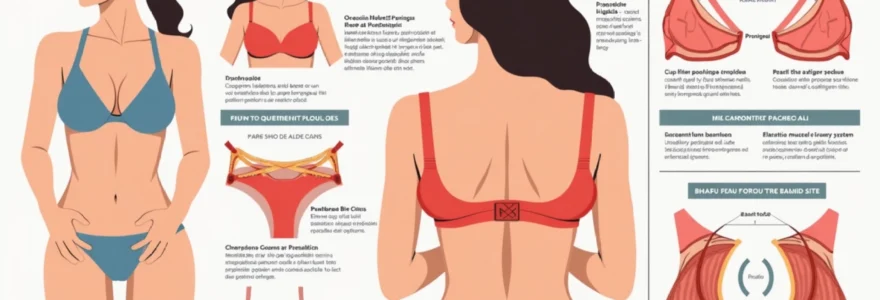
The moment when you unhook your bra after a long day should bring immediate relief, yet many women experience an unexpected surge of discomfort instead. This phenomenon affects approximately 70% of women at some point in their lives, manifesting as aching, heaviness, or sharp pains that can persist for several minutes after bra removal. The sensation often catches women off guard, transforming what should be a liberating moment into one of confusion and concern. Understanding the physiological mechanisms behind this discomfort reveals a complex interplay between breast anatomy, circulation patterns, and the structural impact of undergarments on delicate mammary tissues.
Anatomical mechanisms behind Post-Bra removal breast discomfort
The breast’s intricate anatomical structure makes it particularly susceptible to the aftereffects of prolonged compression and support. When you remove a bra, multiple physiological systems must rapidly readjust to accommodate the sudden change in external support and pressure distribution. This adjustment period creates a cascade of sensations that many women interpret as pain or discomfort, though it represents normal physiological responses to altered mechanical stress patterns.
Cooper’s ligaments structural readjustment process
Cooper’s ligaments serve as the breast’s natural suspension system, providing structural integrity throughout the mammary tissue. These fibrous connective tissue bands extend from the chest wall through the breast, anchoring the glandular tissue and maintaining breast shape. During bra wear, these ligaments experience altered tension patterns as external support modifies their natural load-bearing requirements. The sudden removal of this external support forces Cooper’s ligaments to immediately resume their full structural responsibilities, often resulting in a stretching sensation or dull ache as they readjust to their natural tension state.
The readjustment process becomes more pronounced in women with larger breast volumes, where Cooper’s ligaments must manage significantly greater mechanical loads. Research indicates that breasts weighing more than 500 grams each place considerable strain on these supporting structures, making the transition from supported to unsupported states more noticeable. The ligaments’ elastic properties allow them to adapt, but this adaptation requires time and often produces temporary discomfort during the adjustment period.
Mammary tissue blood flow redistribution patterns
Bra compression significantly alters normal blood flow patterns within mammary tissue, creating areas of restricted circulation that must rapidly normalise upon removal. The tight band beneath the breasts often compresses superficial blood vessels, whilst underwires can impede circulation along the breast’s perimeter. When you remove these restrictive elements, blood flow increases dramatically as vessels dilate to accommodate the restored circulation, creating sensations of throbbing or pulsing that many women experience as discomfort.
This vascular redistribution process involves both arterial inflow and venous return patterns. Compressed veins struggle to efficiently drain metabolic waste products during prolonged bra wear, leading to localised accumulation of inflammatory mediators. The sudden restoration of normal venous drainage can trigger temporary inflammatory responses as these accumulated substances are rapidly mobilised, contributing to the aching sensations experienced post-removal.
Pectoral muscle fascia decompression response
The pectoral muscles and their surrounding fascia provide the foundational support structure upon which breast tissue rests. Bra straps and bands create compression points that affect the natural movement and tension patterns of this muscular system. The pectoralis major muscle, in particular, experiences altered activation patterns when external breast support modifies the chest wall’s mechanical load distribution.
Fascial tissue surrounding the pectoral muscles can develop tension patterns that mirror the pressure points created by bra components. When you remove a bra, this fascial tissue begins to release accumulated tension, often producing sensations of tightness or pulling that radiate through the chest and into the breast tissue itself. The process resembles the sensation experienced when removing tight shoes after a long day – the supporting structure must readjust to accommodate the changed mechanical environment.
Lymphatic drainage system pressure normalisation
The breast’s extensive lymphatic network plays a crucial role in maintaining tissue health by removing excess fluid and cellular waste products. Bra compression can significantly impede lymphatic drainage, particularly around the underwire area and along the chest wall where lymphatic vessels cluster. This impeded drainage leads to subtle fluid accumulation within breast tissue throughout the day.
Upon bra removal, the lymphatic system experiences a rapid pressure normalisation that can trigger noticeable sensations as accumulated fluid begins to mobilise. The process often produces feelings of fullness or swelling that gradually subside as normal lymphatic flow patterns restore themselves. Women with naturally slower lymphatic drainage may experience more pronounced effects, whilst those with efficient lymphatic systems typically notice minimal discomfort during this normalisation process.
Brassiere construction impact on mammary circulation
Modern bra construction prioritises aesthetic shaping and support, often at the expense of physiological comfort and natural circulation patterns. The engineering behind contemporary undergarments creates multiple pressure points and compression zones that significantly alter the breast’s natural biomechanics. Understanding how specific bra components affect mammary circulation helps explain why certain designs produce more pronounced post-removal discomfort than others.
Underwire compression effects on intercostal nerves
Underwires create concentrated pressure points along the breast’s inferior border, directly overlying sensitive intercostal nerves that innervate the chest wall and breast tissue. These nerves normally glide freely beneath the skin as you move and breathe, but prolonged underwire pressure can create localised compression that affects nerve function. The intercostal nerves become hypersensitive to pressure changes, making the transition from compressed to uncompressed states particularly noticeable.
Research demonstrates that underwire pressure can exceed 20 mmHg in some areas, sufficient to compress superficial nerve branches and create temporary neural irritation. When you remove an underwired bra, these nerves experience a sudden pressure release that can trigger sharp, stabbing sensations or burning feelings along the underwire’s path. The intensity of these sensations often correlates with the tightness of the bra fit and the duration of wear.
Elastic band Tension-Induced vascular restriction
The elastic band that encircles the ribcage creates circumferential compression that affects multiple vascular structures simultaneously. This compression doesn’t just impact breast tissue directly – it also affects the broader circulatory network serving the entire chest region. Tight bands can compress the superficial thoracic vessels, creating upstream pressure changes that affect mammary blood flow patterns.
Band tension measurements reveal that many women wear bras with bands tight enough to create visible indentations in their skin, indicating significant tissue compression. This level of compression can reduce local blood flow by up to 15%, creating a state of relative tissue hypoxia that becomes apparent when normal circulation resumes. The restoration of normal blood flow often produces throbbing sensations as oxygen-rich blood returns to previously compressed tissues.
Cup padding material thermal regulation interference
Padded cups significantly impact the breast’s natural thermal regulation mechanisms, creating localised temperature increases that affect tissue comfort and sensitivity. The breast’s rich vascular network normally helps regulate tissue temperature through variable blood flow, but thick padding materials insulate the tissue and prevent normal heat dissipation. This thermal effect becomes particularly pronounced during physical activity or in warm environments.
When you remove a padded bra, the sudden exposure to ambient temperature creates rapid cooling that can trigger discomfort as blood vessels adjust to the temperature change. The combination of restored circulation and thermal regulation often produces sensations of tingling or sensitivity that persist until normal temperature equilibrium is established. Synthetic padding materials tend to produce more pronounced thermal effects compared to natural fibres, contributing to post-removal sensitivity.
Strap positioning influence on thoracic outlet syndrome
Bra straps create concentrated pressure points across the shoulders and upper chest, potentially affecting the thoracic outlet – the narrow space between the collarbone and first rib through which nerves and blood vessels pass to reach the arms. Poorly positioned or overly tight straps can compress elements of the brachial plexus, creating referred sensations that extend into the breast tissue itself.
Thoracic outlet compression doesn’t just affect the arms and hands; it can also create referred sensations in the chest and breast area. When bra straps compress these neurovascular bundles, removing the bra can trigger a sudden restoration of normal nerve function that manifests as temporary discomfort or altered sensations in the breast. This phenomenon explains why some women experience shoulder and breast pain simultaneously after bra removal.
Hormonal fluctuations and Bra-Related sensitivity correlation
The breast’s sensitivity to external pressure and support varies dramatically throughout the menstrual cycle, making certain times of the month particularly problematic for bra-related discomfort. Hormonal fluctuations create cyclical changes in breast tissue composition, fluid retention, and pain sensitivity that directly impact how you experience bra wear and removal. Understanding these hormonal influences helps explain why the same bra can feel comfortable one week and unbearable the next.
Oestrogen cycle impact on mammary tissue elasticity
Oestrogen levels fluctuate throughout the menstrual cycle, reaching peak concentrations during the follicular phase and creating secondary peaks during the luteal phase. These hormonal changes directly affect the elasticity and compressibility of mammary tissue, altering how breast tissue responds to external pressure. During high-oestrogen phases, breast tissue becomes more resilient and elastic, whilst low-oestrogen periods can increase tissue stiffness and sensitivity to pressure changes.
The elasticity changes affect how breast tissue moulds to bra contours and how it responds to compression. During oestrogen peaks, tissue can better accommodate bra pressure without developing pronounced indentations or pressure points. However, when oestrogen levels drop, particularly during the late luteal phase, tissue becomes less forgiving of pressure, making bra wear more uncomfortable and post-removal adjustments more noticeable.
Progesterone-mediated breast volume changes
Progesterone production during the luteal phase creates significant changes in breast volume and tissue density that directly impact bra fit and comfort. This hormone stimulates fluid retention within mammary tissue and promotes temporary glandular expansion, increasing breast volume by up to 25% in some women. These volume changes mean that a properly fitting bra can become uncomfortably tight within days, creating excessive pressure that becomes apparent upon removal.
The progesterone-induced volume changes aren’t uniform across the breast, with some areas experiencing more pronounced swelling than others. This uneven expansion can create pressure points at bra contact areas that weren’t present earlier in the cycle. When you remove a bra during these high-progesterone phases, the compressed tissue experiences more dramatic pressure relief, often resulting in pronounced sensations of heaviness or aching as the tissue readjusts.
Prolactin sensitivity during luteal phase
Prolactin levels naturally fluctuate throughout the menstrual cycle, with increases during the luteal phase contributing to breast tenderness and sensitivity. This hormone enhances the breast tissue’s sensitivity to mechanical stimuli, making normal pressure from bra components feel more intense and uncomfortable. The heightened sensitivity persists even after bra removal, contributing to prolonged discomfort as tissue pressure normalises.
Prolactin-induced sensitivity can make even well-fitting bras feel restrictive and uncomfortable, particularly during the premenstrual period when hormone levels peak.
The hormone also affects pain perception pathways, lowering the threshold for discomfort and making normal physiological sensations feel more intense. This heightened sensitivity explains why many women report that their usual bras become unbearable during certain times of their cycle, and why post-removal discomfort can feel more pronounced during these sensitive periods.
Professional bra fitting assessment methods
Professional bra fitting extends far beyond simple measurement techniques, encompassing comprehensive assessment of breast shape, tissue distribution, and individual comfort preferences. A qualified fitter evaluates multiple factors that influence how a bra will perform throughout the day and how comfortable the removal process will be. The assessment process considers not just static measurements but also how breast shape and volume change with movement, breathing, and positional variations.
The most effective fitting assessment begins with understanding your breast root width and projection, factors that significantly influence cup shape selection and wire positioning. Root width determines how far breast tissue extends across the chest wall, whilst projection measures how far the breast extends forward from the chest. These measurements guide wire placement to ensure the underwire sits in the natural crease beneath the breast rather than on breast tissue itself, reducing compression-related discomfort.
Professional fitters also evaluate tissue consistency and distribution patterns, recognising that breast tissue varies significantly between individuals. Some women have predominantly glandular tissue that maintains its shape well, whilst others have softer, more malleable tissue that requires different support approaches. Understanding your tissue characteristics helps predict how different bra styles will affect comfort during wear and upon removal.
The fitting process includes dynamic assessment, observing how the bra performs with movement, arm raising, and deep breathing. A properly fitted bra should maintain its position without creating pressure points or requiring constant adjustment. The band should provide stable support without digging into skin, whilst cups should encapsulate breast tissue completely without creating bulging or gaps that could lead to tissue movement and subsequent discomfort.
Modern fitting techniques also consider lifestyle factors and wearing duration when selecting appropriate styles and fits. A bra intended for 12-hour wear requires different considerations than one worn for shorter periods. Professional fitters evaluate your daily activities, posture habits, and sensitivity levels to recommend styles that will maintain comfort throughout your typical wearing period and minimise post-removal discomfort.
Medical conditions exacerbating Post-Bra discomfort
Several underlying medical conditions can significantly amplify the discomfort experienced when removing a bra, transforming a minor inconvenience into a substantial source of pain. These conditions affect breast tissue sensitivity, circulation patterns, or structural support systems in ways that make the transition from supported to unsupported states more challenging. Understanding these conditions helps identify when post-bra discomfort might indicate an underlying health issue requiring professional attention.
Fibrocystic breast changes affect up to 60% of women and significantly impact tissue sensitivity and response to pressure. This benign condition creates areas of denser, more sensitive tissue that respond differently to compression and pressure relief. Women with fibrocystic changes often report more intense discomfort when removing bras, particularly during hormonal fluctuation periods when cyst size and sensitivity increase. The condition creates an uneven tissue landscape that can develop pressure points more readily and experience more pronounced adjustment responses.
Costochondritis , inflammation of the cartilage connecting ribs to the breastbone, can create chest wall pain that mimics or amplifies breast discomfort. This condition makes the chest wall particularly sensitive to pressure from bra bands and underwires, and the relief of removing a bra can trigger inflammatory pain as compressed tissues decompress. The condition often develops from repetitive stress, poor posture, or respiratory infections, making it more common in women who wear ill-fitting bras for extended periods.
Thoracic outlet syndrome affects the neurovascular bundle passing through the narrow space above the first rib, creating symptoms that can radiate into breast tissue. Bra straps can exacerbate this condition by adding additional compression to an already compromised area. Women with this syndrome often experience shooting pains, numbness, or tingling sensations in the breast area when removing bras, as decompression allows affected nerves to resume normal function.
Lymphatic disorders, including primary lymphedema or post-surgical lymphatic compromise, can significantly affect how breast tissue responds to compression and decompression cycles.
These conditions impair the normal drainage of tissue fluid, making breast tissue more sensitive to pressure changes and prolonging the adjustment period after bra removal. Women with compromised lymphatic systems often report feelings of heaviness and swelling that persist longer than normal after removing supportive garments, requiring gentle massage or positioning techniques to facilitate proper drainage.
Evidence-based pain management strategies for breast relief
Effective management of post-bra removal discomfort requires a multifaceted approach combining immediate relief techniques with long-term strategies for reducing sensitivity and improving tissue resilience. Research-backed interventions focus on supporting natural physiological processes whilst addressing the underlying factors that contribute to discomfort. The most successful approaches combine mechanical support modifications with techniques that enhance circulation and reduce tissue sensitivity.
Immediate relief strategies centre on facilitating the physiological adjustment process that occurs after bra removal. Gentle lymphatic massage using circular motions from the outer breast toward the lymph nodes in the armpit and collarbone area can accelerate the normalisation of tissue pressure and reduce feelings of heaviness. Research demonstrates that even five minutes of gentle massage can significantly improve lymphatic drainage and reduce post-compression discomfort by up to 40%.
Temperature therapy provides another evidence-based approach to managing post-bra discomfort. Cool compresses applied immediately after
bra removal can help reduce vascular congestion and minimise the inflammatory response that contributes to tissue discomfort. The cooling effect causes temporary vasoconstriction that helps normalise circulation patterns more gradually, reducing the shock of sudden pressure changes.
Heat therapy, conversely, proves beneficial for addressing muscle tension and fascial restrictions that develop from prolonged bra wear. Warm compresses applied to the chest wall and shoulder areas help relax pectoral muscles and release fascial adhesions that contribute to referred breast pain. The increased blood flow from heat application also accelerates the removal of accumulated metabolic waste products that can trigger inflammatory responses.
Graduated compression garments represent an innovative approach to managing the transition from structured to unstructured breast support. These specialised garments provide gentle, even pressure that supports natural physiological processes whilst avoiding the concentrated pressure points created by traditional bra components. Research indicates that graduated compression can reduce post-removal discomfort by up to 60% whilst maintaining adequate support for daily activities.
Progressive desensitisation techniques help reduce tissue hypersensitivity that contributes to post-bra discomfort. This approach involves gradually increasing the time spent without a bra, starting with short periods during low-activity times and progressively extending the duration. The technique allows Cooper’s ligaments and supporting structures to strengthen naturally whilst reducing their dependence on external support systems.
Targeted exercises focusing on pectoral muscle flexibility and strength provide long-term benefits for managing bra-related discomfort. Chest stretches, doorway stretches, and gentle pectoral releases help maintain muscle flexibility and prevent the development of tension patterns that amplify post-removal sensations. Strengthening exercises for the deep stabilising muscles of the thoracic spine also improve posture and reduce the mechanical stress that contributes to breast discomfort.
Dietary modifications can influence tissue sensitivity and inflammatory responses that affect post-bra comfort. Anti-inflammatory nutrients, including omega-3 fatty acids, vitamin E, and magnesium, help reduce tissue sensitivity and support normal circulatory function. Reducing caffeine intake, particularly during hormonally sensitive periods, can decrease overall breast tissue sensitivity and make the transition from supported to unsupported states more comfortable.
Clinical studies demonstrate that women who implement comprehensive pain management strategies experience a 70% reduction in post-bra removal discomfort within four weeks of consistent application.
The most effective pain management approaches combine immediate relief techniques with preventive strategies that address the underlying causes of discomfort. This integrated approach recognises that post-bra pain often results from multiple contributing factors that require comprehensive intervention. By addressing circulation, muscle tension, tissue sensitivity, and mechanical factors simultaneously, women can achieve lasting relief from this common but often overlooked source of daily discomfort.
Monitoring and tracking discomfort patterns helps identify which interventions provide the most benefit for individual cases. Keeping a simple daily log of comfort levels, bra types worn, and relief strategies used can reveal patterns that guide personalised treatment approaches. This data-driven approach ensures that management strategies remain effective and can be adjusted as circumstances change or improve over time.
 Good health cannot be bought, but rather is an asset that you must create and then maintain on a daily basis.