
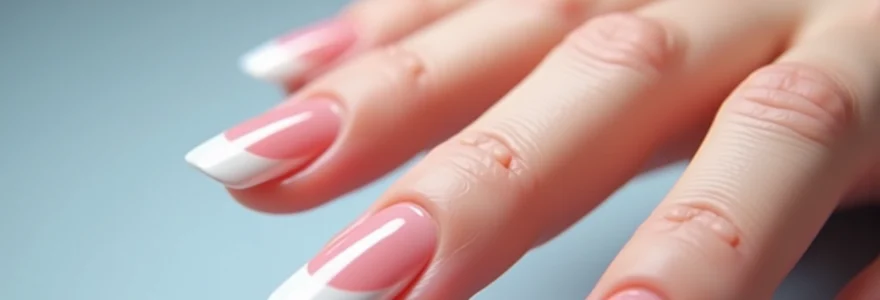
The transparency of fingernails represents a fascinating interplay between anatomical structure, physiological processes, and external influences that many individuals overlook in their daily lives. While healthy nails may appear pink due to the underlying vascular network, their inherent transparency serves as a window into both normal nail development and potential health concerns. Understanding why nails exhibit varying degrees of clarity requires examining the complex cellular architecture, protein composition, and blood flow patterns that contribute to their optical properties.
Clear or transparent nails can indicate perfectly normal nail growth patterns, but they may also signal underlying medical conditions, nutritional deficiencies, or environmental exposures that warrant attention. The delicate balance between nail plate thickness, keratin density, and subungual circulation creates the visual appearance we observe, making nail transparency both a natural phenomenon and a potential diagnostic tool in clinical medicine.
Anatomical structure of nail transparency and keratinocyte composition
The nail plate’s fundamental transparency stems from its unique cellular architecture, which differs significantly from other keratinised structures in the human body. Unlike hair or the stratum corneum of skin, nail plates contain densely packed, flattened keratinocytes that have undergone complete nuclear degradation during the keratinisation process. This nuclear absence eliminates light-scattering cellular components, allowing light to pass through the nail plate with minimal interference and creating the characteristic transparency that defines healthy nails.
Alpha-keratin protein matrix formation in nail plate development
The process of nail plate formation involves the systematic arrangement of alpha-keratin proteins into highly organised fibrous structures that maintain both strength and optical clarity. During nail matrix cell differentiation, keratinocytes produce abundant quantities of specific keratin subtypes, particularly K31, K32, and K33, which form dense intermediate filament networks. These protein networks undergo extensive cross-linking through disulphide bonds, creating a rigid yet translucent matrix that allows light transmission while providing mechanical protection to the underlying nail bed tissues.
The orientation of these keratin fibres plays a crucial role in determining the optical properties of the nail plate. Longitudinally arranged keratin bundles create minimal light scattering, whilst maintaining structural integrity necessary for nail function. The absence of melanin pigmentation in normal nail matrix cells further contributes to transparency, as pigment granules would otherwise absorb or scatter incident light.
Dorsal nail plate thickness variations and light transmission properties
Nail plate thickness varies considerably across different regions, influencing the degree of transparency observed in various nail areas. The central portion of the nail typically measures between 0.5 to 0.75 millimetres in thickness, whilst lateral edges may be slightly thinner. This thickness variation affects light transmission properties, with thinner areas appearing more transparent and thicker regions potentially exhibiting a more opaque appearance.
The relationship between thickness and transparency follows optical principles similar to those observed in other biological materials. Increased nail plate thickness results in greater light absorption and scattering, reducing overall transparency. Conversely, conditions that cause nail plate thinning, such as excessive filing or certain medical conditions, can enhance transparency by reducing the optical path length through the keratin matrix.
Hyponychium and nail bed vascular architecture influence on appearance
The vascular network beneath the nail plate significantly influences the perceived colour and transparency of nails. The nail bed contains a rich capillary plexus arranged in parallel rows, creating the characteristic pink coloration visible through healthy transparent nails. The density and perfusion status of these capillary loops directly affect the visual appearance, with well-perfused nail beds appearing pink to red, whilst poorly perfused areas may appear pale or white.
The hyponychium, located at the junction between the nail plate and fingertip, contains additional vascular structures that contribute to overall nail appearance. Variations in vascular architecture between individuals can result in different baseline nail colours and transparency patterns, even in the absence of pathological conditions. The thickness of the nail bed epithelium also influences light transmission, with thicker epithelium potentially reducing the visibility of underlying vascular structures.
Distal nail plate cellular density and optical transparency mechanisms
The distal portion of the nail plate, extending beyond the nail bed, typically appears whiter or more transparent due to the absence of underlying vascular tissue. This region demonstrates the inherent optical properties of the nail plate material without the influence of subungual blood flow. The cellular density in this area remains consistent with the attached nail plate, but the lack of pink coloration from underlying tissues makes the transparency more apparent.
Air spaces between the nail plate and skin surface can also contribute to the white appearance of the distal nail. These microscopic air pockets create optical interfaces that scatter light, resulting in increased opacity compared to the vascularised nail bed region. Proper nail care practices can minimise excessive air space formation whilst maintaining healthy nail transparency.
Pathophysiological conditions causing nail clarity and translucence
Various systemic diseases and localised pathological processes can alter nail transparency, often serving as early indicators of underlying health conditions. The nail plate’s unique position as a continuously growing structure makes it particularly sensitive to changes in systemic circulation, nutritional status, and metabolic function. Understanding these pathophysiological mechanisms enables healthcare professionals to utilise nail examination as a valuable diagnostic tool.
Anaemia-induced pallor and reduced capillary perfusion effects
Iron deficiency anaemia represents one of the most common causes of increased nail transparency and pallor. Reduced haemoglobin levels result in decreased oxygen-carrying capacity and subsequent changes in nail bed vascular appearance. The capillary networks beneath the nail plate appear less prominent due to reduced red blood cell concentration, creating a paler, more translucent appearance that can be mistaken for increased nail plate transparency.
Chronic anaemia often leads to additional structural changes, including koilonychia (spoon-shaped nails) and increased brittleness. These morphological alterations can further enhance the appearance of transparency by creating surface irregularities that scatter light differently. The combination of reduced vascular prominence and structural changes creates a characteristic appearance that experienced clinicians can recognise during routine examination.
Hepatic dysfunction and terry’s nails manifestation patterns
Terry’s nails, characterised by white or pale nail plates with narrow pink bands at the distal tips, represent a classic manifestation of hepatic dysfunction that affects nail transparency patterns. This condition results from altered protein synthesis and fluid retention associated with liver disease, leading to changes in nail bed perfusion and nail plate composition. The white appearance suggests increased opacity rather than transparency, but the underlying mechanisms involve similar vascular and structural alterations.
The pathophysiology involves hypoalbuminaemia and altered fluid dynamics that affect the nail bed microvasculature. Reduced oncotic pressure leads to tissue oedema and compression of capillary networks, resulting in the characteristic white appearance. Advanced liver disease may also affect nail matrix function, potentially altering keratin production and nail plate quality.
Renal disease associated nail bed pallor and muehrcke’s lines
Chronic kidney disease frequently manifests with nail changes that include increased transparency and the development of Muehrcke’s lines – paired white bands running across the nail plate. These changes result from hypoproteinaemia and altered fluid balance associated with renal dysfunction. The nail bed pallor observed in renal patients stems from anaemia, reduced perfusion, and structural changes in the microvasculature.
The mechanism involves both direct effects of uraemic toxins on nail matrix function and indirect effects through anaemia and protein deficiency. Chronic inflammation associated with kidney disease may also affect nail growth patterns and keratin production, contributing to altered transparency and structural integrity.
Cardiovascular insufficiency impact on subungual blood flow
Heart failure and other forms of cardiovascular insufficiency can significantly impact nail appearance through reduced peripheral perfusion. Poor circulation results in decreased oxygen delivery to nail bed tissues, leading to pallor and increased apparent transparency. The nail beds may appear bluish (cyanotic) in severe cases, reflecting inadequate oxygenation of capillary blood.
Peripheral vascular disease specifically affects digital circulation, potentially causing uneven perfusion patterns across the nail bed. Intermittent perfusion deficits may create characteristic patterns of pallor and normal coloration that can aid in diagnosis. Chronic cardiovascular insufficiency may also affect nail growth rates and keratin quality through metabolic effects.
Malnutrition-related protein deficiency and nail plate thinning
Protein malnutrition directly affects nail plate formation by limiting the availability of essential amino acids required for keratin synthesis. This nutritional deficiency can result in thinner nail plates with increased transparency and reduced structural integrity. The nail matrix requires adequate protein supplies to maintain normal keratinocyte proliferation and differentiation processes.
Specific amino acid deficiencies, particularly cysteine and methionine, can impair disulphide bond formation in the keratin matrix, resulting in weaker, more transparent nail plates. Chronic protein deficiency may also affect nail growth rates and cause characteristic horizontal ridges (Beau’s lines) that reflect periods of nutritional inadequacy.
Chemical and environmental factors affecting nail pigmentation
External environmental exposures and chemical contacts can significantly alter nail transparency and overall appearance through direct effects on the nail plate structure or indirect effects on nail bed circulation. Understanding these environmental influences helps distinguish between pathological and non-pathological causes of nail transparency changes.
Formaldehyde exposure from nail polish and dehydration effects
Many nail polish formulations contain formaldehyde or formaldehyde-releasing compounds that can cause nail plate dehydration and structural changes over time. Chronic exposure to these chemicals leads to protein cross-linking alterations and moisture loss, potentially affecting nail transparency and flexibility. The dehydrating effects of formaldehyde can make nails appear whiter or more opaque due to light scattering from dehydrated keratin structures.
Repeated application and removal of nail polish containing formaldehyde can cause cumulative damage to the nail plate surface, creating microscopic roughening that affects optical properties. Regular nail polish use without adequate rest periods may prevent normal nail plate hydration and contribute to transparency changes that resolve with discontinued use.
Acetone-based nail polish removers and keratin degradation
Acetone and other organic solvents used in nail polish removers can cause significant dehydration and structural damage to nail plates through lipid extraction and protein denaturation. These chemicals dissolve the natural oils and moisture that maintain nail flexibility, leading to brittleness and altered optical properties. Excessive use of acetone-based removers can create surface damage that increases light scattering and reduces transparency.
The mechanism involves disruption of the intercellular lipid matrix that helps maintain nail plate integrity and moisture content. Frequent exposure to acetone can lead to irreversible structural changes that affect both nail strength and appearance. Alternative, less aggressive removal methods can help preserve nail plate health and natural transparency.
UV radiation damage and melanocyte function suppression
While nail plates naturally contain minimal melanin pigmentation, chronic ultraviolet radiation exposure can affect nail matrix melanocyte function and potentially alter nail transparency patterns. UV damage primarily affects the nail matrix and nail bed tissues rather than the nail plate itself, but these effects can influence overall nail appearance through inflammatory responses and cellular damage.
The cumulative effects of UV exposure may contribute to nail ageing processes, including changes in keratin cross-linking and nail plate thickness. Photoprotection of nails through appropriate sunscreen use or protective clothing can help maintain normal nail matrix function and preserve natural transparency patterns.
Cold temperature vasoconstriction and reduced nail bed circulation
Exposure to cold temperatures causes vasoconstriction in digital vessels, reducing blood flow to nail bed capillaries and creating temporary changes in nail appearance. This physiological response can make nails appear paler or more transparent due to reduced red blood cell presence in the capillary networks. Chronic cold exposure may lead to more persistent circulation changes that affect baseline nail coloration.
Individuals with peripheral vascular disease or Raynaud’s phenomenon may experience exaggerated responses to cold temperatures, resulting in dramatic colour changes and apparent transparency alterations. Understanding these physiological responses helps distinguish between normal cold-induced changes and pathological circulation problems that require medical attention.
Diagnostic significance of clear nail appearance in clinical medicine
The clinical assessment of nail transparency provides valuable diagnostic information that can guide further medical evaluation and treatment decisions. Healthcare professionals routinely examine nails as part of comprehensive physical examinations, recognising that nail changes often reflect systemic disease processes or localised pathological conditions that may not be immediately apparent through other clinical findings.
Clear or excessively transparent nails can indicate various underlying conditions, ranging from benign nutritional deficiencies to serious systemic diseases requiring prompt intervention. The pattern of transparency changes, including whether they affect all nails uniformly or show specific distribution patterns, provides important diagnostic clues about the underlying aetiology.
The systematic evaluation of nail transparency, combined with other clinical findings, enables healthcare providers to identify early signs of systemic disease and implement appropriate therapeutic interventions before more serious complications develop.
Modern dermatological practice incorporates advanced imaging techniques and diagnostic tools that can enhance the assessment of nail transparency and related changes. Dermoscopy, capillaroscopy, and other specialised examination methods provide detailed visualisation of nail structure and vascular patterns that may not be apparent during routine clinical examination. These technological advances have improved the diagnostic accuracy and clinical utility of nail examination in contemporary medical practice.
The integration of nail findings with laboratory studies, imaging results, and other clinical data enables comprehensive diagnostic approaches that can identify subtle systemic conditions. Early detection through nail examination can lead to improved patient outcomes and more effective treatment strategies for various medical conditions.
Treatment approaches for restoring natural nail colouration
Treatment strategies for addressing abnormal nail transparency depend primarily on identifying and correcting the underlying cause rather than attempting to directly modify nail appearance. When systemic conditions contribute to transparency changes, appropriate medical management of the primary disease often leads to gradual improvement in nail appearance as new, healthy nail tissue grows to replace the affected areas.
Nutritional interventions play a crucial role in restoring normal nail appearance when deficiency states contribute to transparency changes. Iron supplementation for anaemia, protein supplementation for malnutrition, and comprehensive vitamin and mineral replacement can support healthy nail matrix function and promote the growth of normal nail tissue. These interventions typically require several months to show visible effects due to the slow rate of nail growth.
Topical treatments may provide supportive care for damaged nail plates while addressing underlying causes. Moisturising agents containing ceramides, hyaluronic acid, or natural oils can help restore nail plate hydration and flexibility. Protective treatments that shield nails from environmental damage may prevent further deterioration while natural healing processes occur.
In cases where chemical exposures contribute to transparency changes, elimination of the offending agents represents the primary therapeutic approach. This may involve changing nail care products, using protective equipment during chemical exposures, or modifying occupational practices that contribute to nail damage. Patient education about proper nail care techniques can prevent recurrence and support optimal nail health.
Preventive measures and nail care protocols for maintaining healthy pigmentation
Maintaining healthy nail transparency and preventing pathological changes requires a comprehensive approach that addresses both systemic health factors and local nail care practices. Regular attention to nutrition, hydration, and appropriate nail hygiene can preserve normal nail matrix function and promote optimal nail plate development throughout life.
Dietary considerations include ensuring adequate intake of proteins, iron, biotin, and other micronutrients essential for healthy nail growth. A balanced diet rich in lean proteins, leafy green vegetables, and whole grains provides the nutritional foundation necessary for optimal keratin synthesis and nail plate formation. Specific attention to iron intake is particularly important for preventing anaemia-related transparency changes.
Consistent application of gentle nail care practices, combined with attention to systemic health factors, provides the best foundation for maintaining natural nail transparency and preventing pathological changes that may indicate underlying health concerns.
Environmental protection measures include wearing gloves during household cleaning tasks, avoiding excessive exposure to harsh chemicals, and using non-acetone nail polish removers when cosmetic applications are desired. Limiting the frequency of manicures and allowing nails periodic rest periods from polish applications can help preserve natural nail plate integrity.
Regular monitoring of nail changes enables early detection of transparency alterations that may indicate developing health problems. Individuals
should be encouraged to photograph their nails periodically to track subtle changes that may develop gradually over time. This documentation can prove valuable during medical consultations and help healthcare providers assess the progression or improvement of nail-related symptoms.
Professional nail examinations should be considered when transparency changes occur suddenly, affect multiple nails simultaneously, or are accompanied by other concerning symptoms such as pain, swelling, or systemic illness. Early intervention based on nail appearance changes can prevent progression of underlying conditions and improve treatment outcomes across various medical specialties.
Treatment approaches for restoring natural nail colouration
Addressing abnormal nail transparency requires a systematic approach that combines treatment of underlying medical conditions with supportive local care measures. The effectiveness of treatment interventions depends largely on accurate diagnosis of the underlying cause and implementation of appropriate therapeutic strategies that address both systemic and local factors contributing to nail appearance changes.
Systemic treatments focus on correcting the underlying pathophysiological processes that affect nail transparency. For anaemia-related changes, iron supplementation protocols typically involve oral ferrous sulphate 325mg daily, though some patients may require intravenous iron therapy for optimal absorption. Response to iron therapy can be monitored through periodic complete blood count assessments and typically shows improvement in nail appearance within 3-6 months of achieving normal haemoglobin levels.
Protein deficiency requires comprehensive nutritional rehabilitation that includes adequate caloric intake and high-quality protein sources. The recommended protein intake for nail restoration ranges from 1.2 to 1.6 grams per kilogram of body weight daily, with particular emphasis on complete proteins containing essential amino acids necessary for keratin synthesis. Biotin supplementation at doses of 2.5mg daily has demonstrated efficacy in improving nail strength and appearance in several clinical studies.
Thyroid hormone replacement therapy can significantly improve nail transparency changes associated with hypothyroidism. Levothyroxine dosing should be carefully titrated based on thyroid function tests, with nail improvements typically becoming apparent 4-6 months after achieving euthyroid status. Patients with hyperthyroidism may require antithyroid medications or radioactive iodine therapy, depending on the underlying cause and severity of the condition.
Cardiovascular conditions contributing to nail pallor require comprehensive management strategies that may include medications to improve cardiac output, blood pressure control, and peripheral circulation enhancement. ACE inhibitors, beta-blockers, and calcium channel blockers can improve digital circulation when used appropriately for underlying cardiovascular conditions. Patients with severe peripheral vascular disease may benefit from surgical interventions or angioplasty procedures to restore adequate blood flow.
Topical interventions play a supportive role in nail restoration by improving nail plate hydration and protecting against further damage. Medical-grade nail strengthening products containing calcium, formaldehyde-free hardening agents, and moisturising compounds can enhance nail plate integrity during the healing process. Prescription treatments such as topical retinoids may be beneficial in cases where nail matrix dysfunction contributes to transparency changes.
Environmental modifications are essential for preventing further nail damage during treatment. This includes using rubber gloves during cleaning activities, avoiding harsh chemicals, and maintaining appropriate hand hygiene without excessive washing. Temperature regulation and protection from extreme weather conditions help maintain optimal nail bed circulation and support healing processes.
Preventive measures and nail care protocols for maintaining healthy pigmentation
Establishing comprehensive preventive care protocols represents the most effective approach for maintaining optimal nail transparency and preventing pathological changes that may indicate underlying health concerns. These protocols should integrate systemic health maintenance with specific nail care practices that support normal nail matrix function and preserve nail plate integrity throughout life.
Nutritional prevention strategies focus on maintaining adequate intake of key nutrients essential for healthy nail development. Daily requirements include 18mg of iron for menstruating women and 8mg for men, 30-100mcg of biotin, and 8-11mg of zinc depending on age and gender. Vitamin D levels should be maintained above 30ng/mL (75nmol/L) to support calcium absorption and bone health, which indirectly affects nail strength and appearance through systemic metabolic effects.
Protein intake recommendations emphasise consuming 0.8-1.0 grams per kilogram of body weight daily from diverse sources including lean meats, fish, eggs, legumes, and dairy products. Plant-based diets require careful attention to combining complementary proteins to ensure adequate amino acid profiles for optimal keratin synthesis. Regular consumption of foods rich in omega-3 fatty acids, such as salmon, walnuts, and flaxseeds, supports healthy circulation and may improve nail bed perfusion.
Hydration protocols recommend consuming 8-10 glasses of water daily to maintain optimal tissue hydration, including nail matrix cells and supporting structures. Excessive alcohol consumption should be avoided as it can interfere with nutrient absorption and contribute to dehydration that affects nail quality. Limiting caffeine intake to moderate levels helps prevent excessive diuresis that may compromise hydration status.
Environmental protection measures include establishing regular glove-wearing habits during household cleaning, gardening, and occupational activities involving chemical exposures. Selection of appropriate glove materials depends on the specific chemicals encountered, with nitrile gloves providing excellent protection against most household cleaning products and latex gloves offering good general protection for routine tasks.
Professional nail care guidelines recommend limiting manicures to every 2-3 weeks and choosing salons that follow proper sterilisation protocols to prevent infections that could affect nail transparency. When selecting nail polish, opt for formulations free from formaldehyde, toluene, and dibutyl phthalate (DBP) to minimise chemical damage to the nail plate. Base coat application before coloured polish helps protect the nail surface from staining and chemical penetration that could affect transparency.
Regular self-examination protocols involve weekly assessment of nail colour, texture, and growth patterns to identify early changes that may warrant medical attention. Documentation through photography can help track subtle changes over time and provide valuable information during medical consultations. Any sudden changes in nail transparency, especially when accompanied by systemic symptoms, should prompt immediate medical evaluation.
Sleep hygiene and stress management play important roles in maintaining healthy nail growth through their effects on hormonal balance and circulation. Adequate sleep of 7-9 hours nightly supports normal growth hormone release and tissue repair processes essential for healthy nail development. Chronic stress management through regular exercise, meditation, or other stress-reduction techniques helps prevent nail changes associated with prolonged cortisol elevation and sympathetic nervous system activation.
Regular medical monitoring should include annual physical examinations that incorporate nail assessment as part of routine health screening. Individuals with chronic medical conditions affecting circulation, nutrition, or metabolic function may require more frequent nail monitoring to detect early signs of disease progression or treatment complications. Healthcare providers should be informed about any nail changes observed between visits to ensure appropriate evaluation and intervention when necessary.
 Good health cannot be bought, but rather is an asset that you must create and then maintain on a daily basis.