

Patients exploring treatment options outside their home country quickly encounter two terms that sound similar but carry very different implications: medical tourism and health tourism. Confusing the two can lead to mismatched expectations, inadequate preparation, and unnecessary risk — especially when surgery is involved.
Direct answer: Medical tourism refers to travelling abroad for planned surgical or clinical treatment under medical supervision, while health tourism is a broader category that also covers wellness stays, thermal cures, and preventive programmes. The right pathway depends on whether your need involves a medical intervention or a well-being experience.
This guide breaks down each concept, compares them on the criteria that matter for patient safety, and provides a practical framework to help you identify the care pathway suited to your situation in Europe.
What you need to know before choosing a care pathway abroad
- Medical tourism involves clinical or surgical treatment with full medical oversight.
- Health tourism includes wellness, prevention, and recovery stays that may not require surgery.
- Certifications, follow-up arrangements, and insurance coverage differ significantly between the two.
- Your choice should start with the nature and risk level of the care you need.
What is medical tourism?
Medical tourism describes the practice of travelling to another country specifically to receive planned medical or surgical treatment. The journey is organised around a clinical need: a diagnosis has been made, a procedure is recommended, and the patient chooses to undergo it abroad — often to access specialised surgeons, shorter waiting times, or more affordable care.
Unlike a standard holiday with a health component, medical tourism requires structured clinical oversight. This includes pre-operative consultations, the surgical procedure itself, and post-operative monitoring. Common examples in Europe include hip and knee replacements, dental implant surgery, cardiac procedures, and ophthalmological interventions such as cataract surgery.
Patients exploring care abroad often search for information on medical tourism and health tourism without realising these terms describe fundamentally different types of stays. Medical tourism, in its strict sense, always involves a therapeutic intervention performed by qualified medical professionals in an accredited facility.
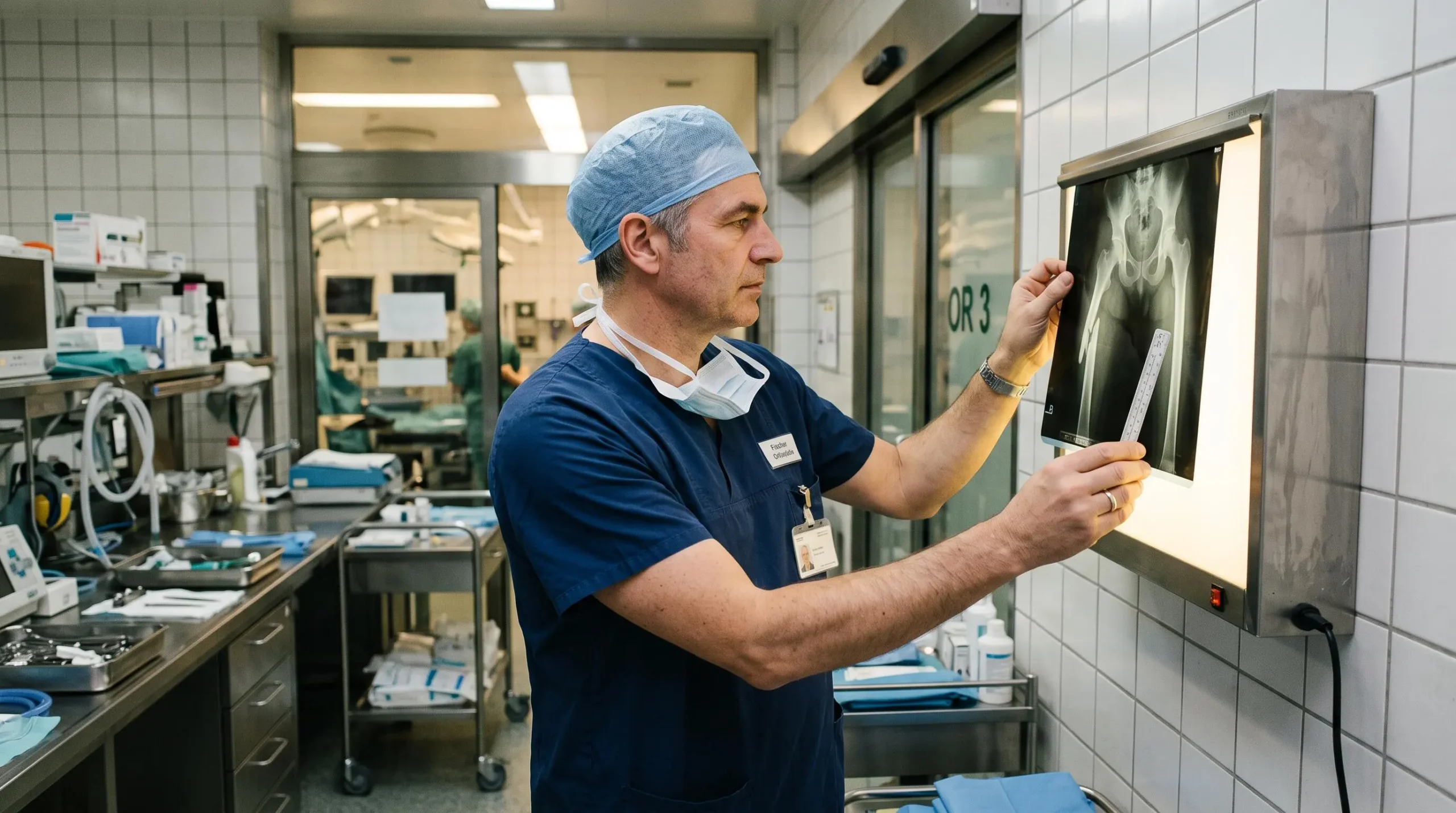
The decision to travel for surgery is rarely taken lightly. It typically follows weeks or months of research into surgeon credentials, facility accreditations, and the logistics of recovery far from home.
What is health tourism?
Health tourism is a wider concept that encompasses any travel motivated by the desire to improve or maintain one’s health. It includes medical tourism as a subset but extends well beyond surgical or clinical care into areas such as wellness retreats, thermal spa cures, preventive health check-ups, and rehabilitation programmes.
A person booking a two-week thermal cure at a European spa resort to manage chronic joint pain, for instance, is engaging in health tourism — not medical tourism in the strict sense. No surgery takes place, no anaesthetist is involved, and the level of clinical oversight is minimal or absent. The focus is on well-being, recovery, or prevention rather than on a specific medical intervention.
This distinction matters because the safeguards, certifications, and logistical requirements differ considerably. A wellness resort does not need the same surgical accreditations as a hospital performing joint replacements. Understanding where your needs fall on this spectrum is the first step toward choosing the right pathway.
Key differences between medical tourism and health tourism
The two pathways diverge on several concrete dimensions that directly affect patient safety, cost, and the level of preparation required. The table below summarises the most important distinctions.
| Criterion | Medical tourism | Health tourism (wellness) |
|---|---|---|
| Nature of care | Surgical or clinical intervention | Wellness, prevention, thermalism, rehabilitation |
| Medical oversight | Surgeon, anaesthetist, nursing team, structured follow-up | Limited or none; wellness practitioners |
| Facility certifications | Accredited hospital or clinic (e.g. national health authority standards) | Quality labels for hospitality and spa facilities |
| Logistics | Medical records transfer, pre-op assessments, post-op care plan | Standard travel planning, accommodation booking |
| Insurance implications | Cross-border healthcare coverage may apply; complications must be anticipated | Generally not covered by health insurance |

Accreditation is one of the sharpest dividing lines. In France, for example, the Haute Autorité de Santé certification framework requires every healthcare facility to undergo an independent external evaluation every four years, assessing care quality and patient safety. This mandatory process applies to hospitals and clinics performing medical procedures — not to wellness resorts. When comparing options across Europe, checking whether a facility holds a comparable national accreditation is a critical step for any patient considering surgery abroad.
The level of logistical support also differs. Medical tourism typically involves transferring medical records across borders, coordinating pre-operative consultations, and arranging post-operative follow-up with both the treating surgeon and a doctor at home. A wellness stay, by contrast, rarely requires more than a standard travel itinerary.
How to choose the right care pathway in Europe
Selecting the right pathway starts with an honest assessment of your medical situation. The nature and risk level of the care you need should drive every subsequent decision — not price alone, and not the appeal of a particular destination.
If you require a surgical procedure — a joint replacement, a dental reconstruction, a cardiac intervention — you are in the realm of medical tourism. Your priority should be verifying that the facility and the surgical team meet recognised accreditation standards, that your medical records will be properly transferred, and that a clear post-operative follow-up plan exists before you travel.
If your goal is prevention, stress management, or recovery from a non-surgical condition, a health tourism pathway may be more appropriate. In this case, the certifications to look for relate to hospitality quality and wellness programme standards rather than surgical accreditations.

For patients within the European Union, the cross-border healthcare framework provides specific rights. The French health insurance system, for instance, can issue prior authorisation for planned treatment abroad through the S2 form procedure managed by Ameli, which specifies the approved treatment, the country, and the facility. Without this authorisation, patients who pay upfront can still request reimbursement from their local health fund upon return, though the conditions and reimbursement levels may differ.
- You need a surgical or invasive procedure:Follow the medical tourism pathway. Prioritise accredited clinics, surgeon credentials, and a documented post-operative care plan that includes follow-up in your home country.
- You seek rehabilitation after a recent treatment:Consider a health tourism programme with a medical component. Verify that the facility has qualified physiotherapists and coordinates with your treating physician.
- Your goal is prevention, wellness, or stress relief:A wellness-focused health tourism stay is likely sufficient. Check programme credentials and read independent reviews, but surgical accreditations are not relevant here.
What to check before committing to treatment abroad?
Regardless of the pathway you choose, a few verification steps can significantly reduce risk. These precautions apply most critically to medical tourism, where the stakes are highest, but they are worth considering for any health-related travel.
Start with insurance. Confirm whether your health insurance covers treatment abroad and, crucially, whether it covers complications that may arise after the procedure. Cross-border reimbursement rules vary depending on the country of treatment and the type of care. According to official CLEISS data on cross-border reimbursements, French social security funds reimbursed €794 million for healthcare provided abroad in 2024, a 10% decrease compared to 2023 — a reminder that coverage exists but follows specific administrative procedures and is not automatic.
Next, plan your post-operative follow-up before you leave. Identify a doctor in your home country who is willing and able to monitor your recovery once you return. A gap in follow-up care is one of the most common pitfalls reported by patients who undergo surgery abroad without adequate preparation.
Not all treatments are suitable for travel: Complex procedures requiring extended monitoring, emergency revision, or multidisciplinary care may carry higher risk when performed far from your home healthcare system. Discuss the feasibility of travelling for your specific condition with your local physician before making any commitment.
Finally, verify the legal accountability of the provider. Check that the facility is registered with the relevant national health authority, that the surgeons hold valid licences, and that a clear complaints and liability process exists. Accreditation labels provide a useful signal, but they do not eliminate risk entirely — they indicate that an external body has assessed the facility against defined standards at a given point in time.
Is health tourism suitable for medical treatment or only wellness stays?
Health tourism is a broad category that technically includes medical treatment, but in practice it is most often used to describe wellness, prevention, and thermal stays. If you need surgery or a clinical intervention, the more precise term is medical tourism, and the safeguards you should look for are significantly more rigorous than those relevant to a wellness retreat.
Which pathway should I choose for surgery abroad in Europe?
Surgery abroad falls under medical tourism. Your decision should be guided by the facility’s accreditation status, the surgeon’s credentials, the availability of post-operative follow-up both on-site and in your home country, and the clarity of your insurance coverage for the procedure and any potential complications.
How do I verify certifications and cross-border care safeguards before treatment abroad?
Check whether the facility holds accreditation from the national health authority of the country where it operates. Within the EU, you can also consult your home country’s health insurance provider to understand your rights under the cross-border healthcare directive, including the prior authorisation process and reimbursement conditions.
Choosing between medical tourism and health tourism is less about picking a label and more about matching the pathway to the reality of your medical need. A clear understanding of the type of care you require, the level of oversight involved, and the safeguards in place will help you make a more informed decision — and reduce the uncertainty that often accompanies the prospect of receiving treatment abroad. The most reliable next step is to discuss your specific situation with your local physician, who can help you assess whether travelling for care is appropriate and what precautions to take.
 Good health cannot be bought, but rather is an asset that you must create and then maintain on a daily basis.