
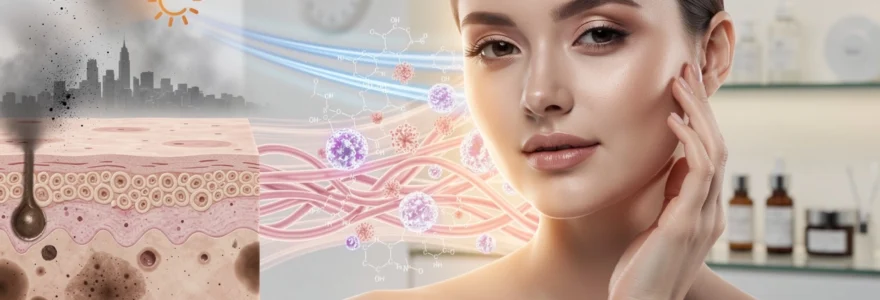
Radiant skin serves as a visible marker of cellular health and vitality, reflecting the complex interplay of biological processes occurring within our largest organ. When skin loses its natural luminosity, multiple scientific mechanisms are at work, from disrupted cellular turnover patterns to compromised barrier function. Understanding the molecular basis of skin dullness empowers you to make informed decisions about restoration strategies that target the root causes rather than merely addressing surface symptoms.
The pursuit of radiant skin extends beyond cosmetic concerns, representing a fundamental aspect of dermatological health. Modern research reveals that skin luminosity correlates strongly with optimal cellular metabolism, efficient light reflection properties, and robust extracellular matrix integrity. Environmental assaults, lifestyle factors, and intrinsic aging processes converge to diminish this natural radiance through measurable biochemical pathways.
Cellular mechanisms behind skin dullness and loss of luminosity
The cellular foundations of skin radiance operate through intricate biological systems that regulate light interaction, pigment distribution, and structural integrity. When these mechanisms become disrupted, the visible result manifests as decreased luminosity, uneven texture, and compromised barrier function. Understanding these processes at the molecular level provides crucial insights into effective restoration approaches.
Stratum corneum thickening and corneocyte accumulation
The outermost layer of skin, the stratum corneum, consists of dead keratinocytes called corneocytes embedded in a lipid matrix. Under optimal conditions, this layer maintains a thickness of approximately 10-20 micrometers through balanced desquamation processes. However, when cellular turnover slows or becomes irregular, corneocyte accumulation occurs, creating a thickened barrier that scatters light inefficiently.
Research demonstrates that corneocyte cohesion increases with age due to altered desmoglein expression and reduced proteolytic enzyme activity. This results in a roughened surface topography that prevents uniform light reflection, contributing significantly to the appearance of dullness. The normal 28-day skin cell cycle can extend to 45 days or longer in mature skin, compounding the accumulation effect.
Melanin distribution irregularities and hyperpigmentation patterns
Melanin distribution plays a critical role in skin luminosity through its light-absorbing properties. Uniform melanin dispersal creates an even tone that reflects light consistently, whilst irregular distribution patterns result in areas of concentrated pigmentation that absorb more light. Melanocyte dysfunction, triggered by UV exposure, inflammation, or hormonal fluctuations, leads to uneven melanin synthesis and transfer to surrounding keratinocytes.
The enzyme tyrosinase catalyses melanin production through the conversion of tyrosine to DOPA and subsequently to melanin polymers. When this process becomes dysregulated, localised hyperpigmentation occurs, creating optical heterogeneity that diminishes overall radiance. Studies indicate that even minor variations in melanin distribution can reduce perceived luminosity by up to 30%.
Glycation end products (AGEs) formation and collagen Cross-Linking
Advanced glycation end products represent a significant contributor to skin dullness through their impact on structural proteins. These irreversible molecular modifications occur when reducing sugars react with amino groups in proteins, particularly affecting collagen and elastin fibres. The resulting cross-linked structures exhibit altered mechanical properties and a characteristic yellowish-brown colouration that directly impacts skin appearance.
AGEs formation accelerates with age and dietary sugar intake, creating rigid collagen networks that compromise skin flexibility and light transmission properties. Research shows that glycated collagen reflects light differently than native collagen, contributing to a sallow, aged appearance. The process is particularly pronounced in individuals with diabetes or high-glycemic diets, where elevated blood glucose levels provide abundant substrate for glycation reactions.
Mitochondrial dysfunction in keratinocytes and fibroblasts
Cellular energy production directly influences skin radiance through its effects on metabolic processes essential for maintenance and repair. Mitochondrial dysfunction in skin cells leads to decreased ATP synthesis, compromising the energy-dependent processes that maintain cellular integrity and function
This decline in mitochondrial efficiency leads to increased reactive oxygen species (ROS) production, impaired DNA repair, and slower synthesis of structural proteins such as collagen and elastin. In keratinocytes, reduced ATP limits proper barrier formation and orderly desquamation, while in fibroblasts it diminishes extracellular matrix renewal. Clinically, this manifests as a tired, lacklustre complexion that no longer bounces back from daily stress. Supporting mitochondrial function through targeted antioxidants, optimised nutrition, and controlled use of topical actives can, therefore, play a pivotal role in restoring natural skin radiance.
Environmental and lifestyle factors compromising skin radiance
Beyond intrinsic cellular changes, external stressors and daily habits exert a powerful influence on whether skin appears bright and luminous or dull and fatigued. Environmental exposures such as UV radiation, blue light, and airborne pollutants interact with lifestyle factors including sleep patterns, diet, and stress to shape the skin’s biochemical landscape. When these influences overwhelm the skin’s defence and repair systems, the visible outcome is reduced clarity, uneven tone, and a loss of healthy glow.
Understanding how specific environmental and lifestyle triggers compromise radiance allows you to intervene strategically rather than relying on trial-and-error skincare. You can think of each factor as either adding to or subtracting from your skin’s “radiance budget.” When too many withdrawals occur—through oxidative stress, inflammation, and barrier disruption—dullness becomes inevitable. By identifying your main triggers, you can prioritise targeted changes that yield the greatest improvement in luminosity.
Uv-induced photoaging and free radical damage pathways
Ultraviolet radiation remains one of the most potent drivers of dull skin and premature ageing. UVA (320–400 nm) penetrates deeply into the dermis, damaging collagen fibres and generating ROS, while UVB (280–320 nm) primarily affects the epidermis, causing direct DNA damage and inflammation. Together, these wavelengths trigger signalling cascades that upregulate matrix metalloproteinases (MMPs), enzymes that break down collagen and elastin, and downregulate collagen synthesis.
From a radiance perspective, chronic UV exposure thickens the stratum corneum, disrupts melanocyte activity, and encourages the formation of mottled hyperpigmentation. This combination of roughened texture and uneven tone scatters light irregularly and reduces the skin’s ability to reflect light uniformly. Consistent, broad-spectrum sun protection (SPF 30 or higher), coupled with antioxidant-rich skincare, helps neutralise free radicals before they can damage cellular structures, preserving both clarity and brightness.
Blue light exposure from digital devices and oxidative stress
High-energy visible (HEV) light, commonly referred to as blue light (400–490 nm), is emitted not only by the sun but also by digital screens and LED lighting. Emerging research suggests that prolonged blue light exposure can increase oxidative stress in skin cells, particularly melanocytes and fibroblasts. This oxidative burden can stimulate excess melanin production and impair mitochondrial function, subtly eroding radiance over time.
While the impact of screens is lower than midday sun, cumulative exposure—especially at close range—may contribute to stubborn hyperpigmentation and a fatigued appearance. You can imagine blue light as a gentler but more persistent “drizzle” of oxidative stress compared with the “downpour” of UV. Formulations containing antioxidants such as vitamin C, niacinamide, and lutein, as well as tinted mineral sunscreens with iron oxides, offer an additional layer of defence for those spending many hours in front of devices.
Air pollution particulates and inflammatory cascade activation
Airborne pollutants, including particulate matter (PM2.5 and smaller), nitrogen oxides, and polycyclic aromatic hydrocarbons, adhere to the skin surface and penetrate through hair follicles and compromised barrier areas. Once in contact with the epidermis, these particles generate ROS and activate aryl hydrocarbon receptors (AhR), triggering inflammatory cascades and accelerating oxidative damage. This inflammatory microenvironment disrupts barrier lipids, increases transepidermal water loss, and heightens sensitivity.
Over time, pollution exposure has been linked to increased pigment spots, fine lines, and a general loss of luminosity, particularly in urban environments. Think of pollutants as microscopic “rust” particles that accelerate the weathering of your skin’s surface. To counteract this, evening cleansing becomes crucial for radiance restoration: using a gentle, thorough cleanser (or double cleansing when wearing makeup) removes particulate matter, while antioxidant serums and barrier-supporting moisturisers help neutralise oxidative stress and restore smooth, light-reflective texture.
Sleep deprivation effects on circadian rhythm and skin repair
Skin follows a circadian rhythm, with peak repair, DNA correction, and barrier restoration processes occurring during the night. Sleep deprivation or irregular sleep patterns disrupt this synchronised cycle, reducing the time and efficiency with which the skin can repair daily damage. Elevated evening cortisol levels associated with poor sleep further impair collagen synthesis and increase inflammation.
Visibly, inadequate sleep leads to increased dullness, under-eye shadows, and a rougher skin texture, even if your skincare routine remains unchanged. In one clinical study, chronic sleep restriction was associated with reduced skin barrier recovery and more pronounced signs of intrinsic ageing. Prioritising 7–9 hours of quality sleep, maintaining a consistent sleep-wake schedule, and using reparative night-time products rich in peptides, ceramides, and retinoids can significantly enhance overnight radiance recovery.
Biochemical pathways of natural skin radiance restoration
Restoring natural luminosity requires more than masking dullness; it involves rebalancing the biochemical pathways that govern cell turnover, pigmentation, hydration, and extracellular matrix quality. At the epidermal level, promoting orderly desquamation and robust barrier lipids improves surface smoothness and water retention, enabling more uniform light reflection. Concurrently, regulating melanogenesis and melanosome transfer helps reduce optical unevenness caused by hyperpigmentation.
Within the dermis, supporting collagen and elastin synthesis while limiting MMP activity and glycation enhances structural integrity and pliability, which indirectly boosts radiance by maintaining skin firmness and bounce. Antioxidant networks—both enzymatic (such as superoxide dismutase and catalase) and non-enzymatic (vitamins C and E, glutathione, coenzyme Q10)—play a central role in neutralising ROS before they damage proteins, lipids, and DNA. When you combine targeted actives that influence these pathways with lifestyle measures that reduce oxidative load, you create a biochemical environment in which natural glow can re-emerge.
Hydration also has a distinct biochemical signature. Humectants like hyaluronic acid, glycerin, and natural moisturising factors (NMF) attract and bind water within the stratum corneum, increasing cellular volume and smoothing micro-irregularities. Occlusives and emollients then lock in this moisture and restore intercellular lipids, reducing transepidermal water loss. The result is skin that is not only functionally healthier but also visually brighter, as a well-hydrated surface reflects light in a softer, more uniform way.
Active ingredients and molecular mechanisms for luminosity enhancement
Specific active ingredients can modulate the molecular pathways that underlie dullness, offering a targeted approach to restoring radiance. When evaluating brightening or “glow-boosting” products, it is helpful to understand how key molecules interact with skin cells and extracellular components. Rather than focusing solely on marketing claims, looking at mechanisms—such as tyrosinase inhibition, increased cellular turnover, or enhanced antioxidant capacity—allows you to select formulations aligned with your skin’s needs.
Many of the most effective radiance-enhancing ingredients share common goals: they aim to reduce oxidative stress, normalise pigmentation, promote gentle exfoliation, and strengthen the barrier. However, they differ in potency, penetration, and irritation potential. This means the ideal regimen for natural radiance restoration often layers complementary actives at well-tolerated concentrations rather than relying on a single “hero” product. Introducing these molecules gradually and monitoring your skin’s response is essential to avoid barrier disruption, which can paradoxically increase dullness.
Vitamin C derivatives: l-ascorbic acid vs magnesium ascorbyl phosphate
Vitamin C is a cornerstone ingredient for brightening dull skin due to its dual role as a potent antioxidant and a cofactor in collagen synthesis. L-ascorbic acid (L-AA) is the pure, biologically active form of vitamin C used by skin cells, capable of scavenging free radicals, regenerating vitamin E, and inhibiting tyrosinase activity involved in melanin production. At concentrations of 10–20% and a low pH (around 3.0), L-AA has been shown in multiple clinical studies to improve hyperpigmentation and enhance overall luminosity.
However, L-ascorbic acid is inherently unstable and can be irritating, especially for sensitive skin types. This is where derivatives such as magnesium ascorbyl phosphate (MAP) offer an alternative pathway to radiance. MAP is more stable at a higher, skin-friendly pH and is converted enzymatically into active ascorbic acid within the skin. While it may be somewhat less potent than L-AA for rapid brightening, MAP tends to be better tolerated, making it suitable for those seeking gentle, long-term improvements in uneven tone and dullness. Choosing between L-AA and MAP often comes down to your skin’s sensitivity and your willingness to accommodate more intensive formulations.
Retinoid compounds: tretinoin, retinyl palmitate and cellular turnover
Retinoids, derivatives of vitamin A, exert profound effects on epidermal turnover and dermal remodelling, making them powerful allies against dull, lacklustre skin. Tretinoin (all-trans retinoic acid) is the most studied topical retinoid, binding directly to nuclear retinoic acid receptors (RARs) to influence gene expression. This leads to increased keratinocyte proliferation, normalised differentiation, and enhanced desquamation, which together refine surface texture and reduce the buildup of dead cells that scatter light.
In the dermis, tretinoin stimulates fibroblasts to produce new collagen while downregulating MMPs that degrade existing fibres, gradually improving firmness and reducing fine lines that can contribute to a tired appearance. However, its potency also brings a higher risk of irritation, dryness, and temporary redness, especially during the initial “retinisation” period. For those with sensitive or reactive skin, gentler esters such as retinyl palmitate offer a slower, more gradual route to enhanced radiance. Retinyl palmitate must be converted through several steps into active retinoic acid within the skin, resulting in milder effects but improved tolerability.
Whichever form you choose, integrating retinoids into a radiance-focused routine requires patience and strategic support. Starting with low concentrations, using them only a few nights per week, and buffering with a nourishing moisturiser can minimise discomfort. Have you ever noticed your complexion looking brighter and more even after several months on a well-tolerated retinoid? That is the cumulative effect of optimised cellular turnover and collagen support becoming visible at the surface.
Alpha hydroxy acids: glycolic acid and lactic acid exfoliation pathways
Alpha hydroxy acids (AHAs) provide a chemical exfoliation route to smoother, more light-reflective skin by targeting the bonds between corneocytes. Glycolic acid, derived from sugar cane, has the smallest molecular size among AHAs, allowing it to penetrate effectively into the upper epidermis. There, it disrupts desmosomal connections and increases the activity of exfoliation-related enzymes, accelerating the shedding of dead cells. Over time, this leads to a more even stratum corneum thickness and a reduction in fine surface irregularities that contribute to dullness.
Lactic acid, a naturally occurring component of the skin’s NMF, also promotes desquamation but offers additional hydrating and barrier-supportive benefits. Its larger molecular size makes it somewhat gentler than glycolic acid, while its humectant properties help draw water into the stratum corneum. This combination of mild exfoliation and hydration makes lactic acid particularly suitable for dry or sensitive skin types seeking to restore glow without excessive irritation. Using AHAs at appropriate strengths (typically 5–10% for regular home use) and frequencies, and always pairing them with diligent sun protection, helps maintain a refined, luminous complexion while respecting the skin barrier.
Niacinamide mechanisms in melanin transfer inhibition
Niacinamide (vitamin B3) has gained prominence as a multifunctional ingredient with a strong evidence base for improving dull, uneven skin. At the cellular level, niacinamide interferes with the transfer of melanosomes from melanocytes to keratinocytes, a key step in visible pigmentation. By reducing this transfer, niacinamide helps prevent the formation of dark spots and diffuse sallowness without directly inhibiting tyrosinase, making it a relatively gentle option for brightening.
Beyond its pigment-modulating effects, niacinamide enhances barrier function by increasing ceramide and free fatty acid synthesis, reduces inflammation, and may support mitochondrial energy metabolism. In practical terms, these mechanisms translate into skin that feels stronger, looks calmer, and reflects light more evenly. Concentrations between 2–5% are typically well tolerated and effective for most individuals. If you are looking for an ingredient that addresses both radiance and resilience, niacinamide is a flexible cornerstone that pairs well with vitamin C, retinoids, and AHAs when introduced gradually.
Professional treatment modalities for radiance restoration
For persistent dullness or more advanced signs of photoaging, professional treatments can accelerate radiance restoration by targeting deeper layers and delivering controlled, high-intensity stimuli. These modalities work by either removing damaged surface cells, stimulating dermal remodelling, or enhancing the penetration of topical agents. When used judiciously and under expert supervision, they complement a well-designed home routine and can produce visible improvements in texture, tone, and luminosity within a shorter time frame.
It is important to approach in-office treatments as part of a broader strategy rather than as isolated quick fixes. Your baseline skin health, barrier integrity, and daily habits significantly influence both outcomes and recovery. Before embarking on more intensive procedures, many dermatologists recommend several weeks of “skin conditioning” with gentle actives, antioxidants, and consistent sun protection to reduce the risk of complications and maximise radiance gains.
Common professional options for restoring glow include chemical peels, microdermabrasion, laser and light-based therapies, and microneedling. Superficial chemical peels using low to medium strengths of glycolic, lactic, or salicylic acid can rapidly remove dull surface cells and stimulate renewal, often with minimal downtime. Microdermabrasion provides a controlled mechanical exfoliation, smoothing the epidermis and enhancing the absorption of hydrating or brightening serums applied afterwards. For deeper concerns, fractional laser treatments and intense pulsed light (IPL) can target pigmentation irregularities and induce collagen remodelling, leading to improvements in both clarity and firmness.
Microneedling, which creates microchannels in the skin with fine needles, triggers a wound-healing cascade that boosts collagen production and can improve texture and radiance over a series of sessions. Some clinics combine microneedling with the application of targeted serums—such as vitamin C, peptides, or hyaluronic acid—to enhance penetration and efficacy. Have you ever wondered why skin often seems to “glow” after a well-performed professional treatment? This is the result of immediate surface refinement combined with longer-term biochemical shifts toward healthier, more active skin.
Evidence-based skincare protocols for sustained luminosity
Achieving a brighter complexion is one thing; maintaining it in the face of ongoing environmental and lifestyle stressors is another. Evidence-based skincare protocols for sustained luminosity focus on three pillars: consistent protection, intelligent repair, and controlled stimulation. Rather than constantly cycling through new products, the goal is to establish a stable routine that supports the skin’s natural rhythms while incorporating scientifically validated actives at tolerable levels.
A practical daily framework might include, in the morning, a gentle cleanse followed by an antioxidant serum (such as vitamin C or a vitamin C–niacinamide combination), a hydrating layer containing humectants and barrier lipids, and a broad-spectrum sunscreen as the final step. In the evening, you could prioritise thorough cleansing to remove pollutants and sunscreen, followed by a treatment step—rotating between retinoids, AHAs, or pigment-regulating agents on different nights—and finishing with a replenishing moisturiser. This kind of structured yet flexible routine helps ensure that key pathways related to radiance are addressed consistently: oxidative defence, exfoliation, pigmentation control, and barrier support.
To prevent irritation and barrier disruption, which can quickly undermine glow, it is wise to introduce one active ingredient at a time and follow a “low and slow” philosophy. For example, you might begin with niacinamide daily, then add vitamin C in the morning, and finally layer in a gentle retinoid or AHA a few nights per week. Regularly assessing how your skin feels and looks—dryness, sensitivity, or improved smoothness and brightness—guides adjustments in frequency and concentration. Just as importantly, aligning your skincare with supportive lifestyle habits, including adequate sleep, a nutrient-dense diet, stress management, and avoidance of smoking, creates a synergistic environment for long-term radiance.
Over months rather than days, this integrated approach allows subtle biochemical shifts—improved mitochondrial efficiency, reduced glycation burden, optimised melanin distribution, and strengthened barrier function—to accumulate. The result is not an artificial or fleeting “glow,” but a stable, natural luminosity that reflects underlying skin health. By understanding and working with the science behind dull skin, you can move beyond quick fixes and build sustainable habits and protocols that keep your complexion bright, clear, and resilient over time.
 Good health cannot be bought, but rather is an asset that you must create and then maintain on a daily basis.