
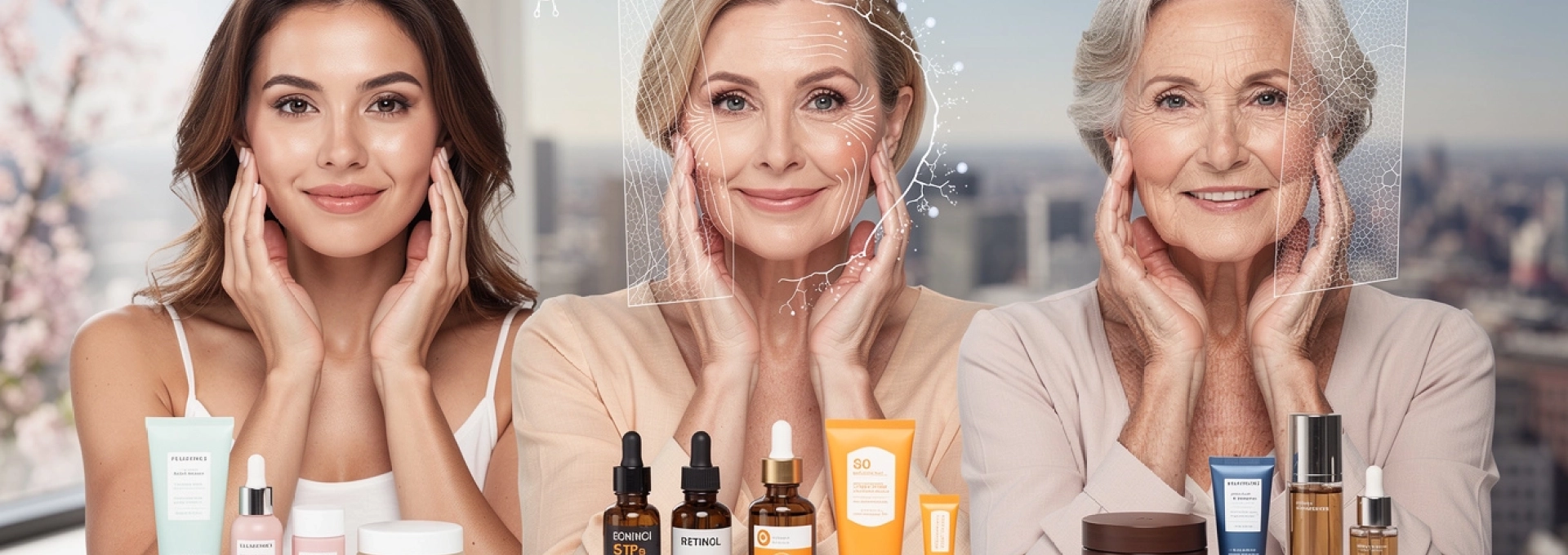
Your skin is not static—it’s a living, dynamic organ that undergoes constant transformation throughout your lifetime. From the hormonal fluctuations of adolescence through the collagen-depleting effects of ultraviolet exposure and the cellular slowdown that accompanies each passing decade, your dermatological needs shift considerably. What worked flawlessly in your early twenties may prove inadequate by your mid-thirties, and the formulations that sustain you through summer humidity might leave your complexion parched during winter’s harsh conditions. Understanding these chronological, seasonal, and environmental transitions allows you to make strategic adjustments that support long-term skin health, resilience, and appearance. Rather than adhering to a fixed regimen indefinitely, adapting your approach ensures you’re addressing your skin’s current requirements whilst preparing for future changes.
Chronological dermatological changes: understanding intrinsic and extrinsic skin ageing
The distinction between intrinsic and extrinsic ageing underpins modern dermatological understanding. Intrinsic ageing refers to the genetically predetermined cellular processes that occur regardless of external factors, whilst extrinsic ageing encompasses environmental damage from ultraviolet radiation, pollution, smoking, and lifestyle choices. Research indicates that extrinsic factors account for approximately 80-90% of visible skin ageing, making preventative measures remarkably effective when implemented consistently.
Your mid-twenties represent a pivotal transition point when proactive skincare becomes increasingly relevant. Fibroblast activity—the cellular mechanism responsible for producing structural proteins—begins its gradual decline around age 25, though the visible consequences may not manifest for several years. This delayed presentation explains why many individuals don’t prioritize prevention until damage becomes apparent, at which point intervention requires more intensive approaches. By understanding these biological timelines, you can implement strategic support before correction becomes necessary.
Collagen degradation and elastin fibre breakdown in maturing skin
Collagen production decreases approximately 1% annually after age 25, creating a cumulative deficit that becomes increasingly noticeable with time. This structural protein provides tensile strength and volume to dermal layers, and its gradual depletion contributes to the fine lines, sagging, and texture changes associated with mature skin. Simultaneously, elastin fibres—which enable skin to return to its original position after stretching or contracting—undergo fragmentation and disorganization, reducing the tissue’s ability to maintain firmness.
Matrix metalloproteinases (MMPs), enzymes that break down collagen and elastin, become more active with age and environmental stress. Ultraviolet radiation significantly upregulates MMP expression, accelerating structural protein degradation beyond the natural chronological rate. This explains why photoprotection remains non-negotiable regardless of age; every unprotected exposure compounds future damage. Ingredients like peptides, retinoids, and vitamin C support fibroblast activity and may help counterbalance some aspects of this degradation when incorporated consistently into your routine.
Sebaceous gland activity fluctuations across decades
Sebaceous gland output varies considerably throughout life, influenced by hormonal fluctuations, medication use, and intrinsic ageing processes. Sebum production typically peaks during adolescence and early adulthood due to elevated androgen levels, then gradually declines after the mid-twenties. This reduction can shift combination or oily skin types toward normal or dry classifications, necessitating formulation adjustments that would have felt excessively heavy during earlier decades.
The lipid composition of sebum also changes with age, affecting the skin barrier’s protective capabilities. Decreased sebum production correlates with increased transepidermal water loss (TEWL) and reduced barrier integrity, making mature skin more susceptible to environmental irritation and dehydration. This evolution requires you to reassess cleansing methods—harsh surfactants that were tolerable during peak sebum production may strip essential lipids from drier, mature skin, compromising barrier function and triggering compensatory inflammation.
Stratum corneum thinning and transepidermal water loss acceleration
The stratum corneum—your skin’s outermost defensive layer—undergoes structural changes with advancing age. Cell
turnover slows, and the cohesive “brick-and-mortar” structure of corneocytes and intercellular lipids becomes less efficient. As the stratum corneum thins and its lipid matrix degrades, transepidermal water loss (TEWL) increases, meaning more moisture escapes from the skin’s surface. The result is a complexion that may feel tight, rough, or more easily irritated, even if you did not previously identify as having sensitive skin. This is one reason why a skincare routine that was once focused on oil control and exfoliation often needs to evolve toward barrier repair, replenishing ceramides, cholesterol, and fatty acids that help restore that protective “mortar.”
To counter accelerated TEWL and support ageing skin, humectants such as glycerin and hyaluronic acid can be combined with occlusive and emollient ingredients to lock in hydration. Gentle chemical exfoliation, used sparingly, can help maintain smooth texture without over-thinning the barrier, whereas frequent use of harsh scrubs or high-strength acids can exacerbate microcracks and irritation. You might find that reducing cleansing frequency, switching to pH-balanced formulations, and applying moisturiser to slightly damp skin significantly improves comfort and resilience. In this way, evolving your skincare routine over time becomes less about adding complexity and more about recalibrating to reinforce what your skin is naturally losing.
Hormonal shifts: menopause, andropausal changes, and epidermal impact
Hormonal changes represent another major driver of why skincare needs change with age. In women, perimenopause and menopause are associated with a marked decline in oestrogen, which plays a crucial role in maintaining skin thickness, elasticity, and vascularisation. Studies suggest that skin collagen content may decrease by up to 30% in the first five years after menopause, a rapid shift that can translate into increased wrinkling, dryness, and loss of firmness. Men experience a more gradual decline in testosterone—sometimes referred to as andropause—which can similarly influence sebum production, hair density, and overall skin vitality.
As hormones fluctuate, you may notice new concerns such as hot-flush-related redness, adult-onset acne, or increased sensitivity to products that were previously well tolerated. How should your skincare routine evolve in response? Often, the answer involves a dual focus on soothing inflammation and reinforcing structure: incorporating barrier-supportive moisturisers, topical antioxidants, and, where appropriate, retinoids or peptide complexes that may help support collagen synthesis. For those experiencing significant dryness or atrophic changes, richer emollient creams, overnight masks, and possibly prescription therapies under dermatological guidance can provide targeted support.
Seasonal skincare adaptation: climate-responsive formulation adjustments
Beyond chronological ageing, seasonal changes significantly influence how your skin behaves and what it requires to stay balanced. Humidity levels, ambient temperature, wind exposure, and UV index fluctuate throughout the year, creating shifting demands on the skin barrier. A skincare routine that keeps you comfortable and clear in July’s heat may leave you flaky and irritated in January, which is why climate-responsive skincare is vital. Think of your routine as a wardrobe: just as you would not wear a heavy parka to the beach, your skin doesn’t benefit from the same “layers” and textures in every season.
Adjusting formulations—rather than completely overhauling every product—allows you to maintain consistency while fine-tuning performance. In winter, that may mean swapping a gel moisturiser for a cream and adding a ceramide-rich barrier serum, while in summer you might favour lightweight, non-comedogenic emulsions under robust sun protection. This flexible approach helps reduce the risk of seasonal breakouts, dehydration, and sensitivity. It also ensures that your evolving skincare routine is aligned not only with your age and hormones but with the immediate environmental stressors your skin is facing.
Winter barrier repair: ceramide-rich emollients and occlusive agents
Cold air, low humidity, and indoor heating create a perfect storm for barrier disruption during winter months. TEWL rises as the ambient air “pulls” moisture from the skin, while hot showers and central heating further strip lipids from the stratum corneum. To compensate, winter skincare routines should emphasise barrier repair, with ceramide-rich moisturisers and occlusive agents such as petrolatum, shea butter, or squalane playing central roles. These ingredients work together to replenish missing lipids and form a semi-occlusive film that reduces water loss, helping the skin retain its natural moisture.
If you are prone to eczema, rosacea, or general sensitivity, this seasonal shift can be particularly pronounced. In such cases, simplifying active use—dialling back on strong exfoliants and retinoids while prioritising moisturising and soothing formulas—can make the difference between a comfortable winter and months of irritation. Applying moisturiser within a few minutes of cleansing, using lukewarm instead of hot water, and incorporating overnight occlusive “slugging” on targeted dry areas are practical strategies. The key is to recognise that an age-appropriate skincare routine must also be a season-appropriate one, with extra emphasis on barrier defence when conditions are harsh.
Summer photoprotection: broad-spectrum SPF50+ and antioxidant layering
In summer, the primary external threat to skin health is increased UV exposure, which accelerates extrinsic ageing and can trigger hyperpigmentation, redness, and textural damage. A truly adaptive skincare routine for summer prioritises broad-spectrum SPF50+ as a daily, non-negotiable step, re-applied every two hours during extended outdoor exposure. Modern formulations offer lightweight, non-greasy textures suitable for oily and combination skin, as well as more hydrating options for dry or mature complexions. Whether you prefer mineral (zinc oxide, titanium dioxide) or chemical filters, the most effective sunscreen is the one you will use generously and consistently.
To enhance photoprotection, many dermatology professionals recommend layering antioxidant serums—most commonly vitamin C, ferulic acid, and vitamin E—under sunscreen in the morning. This combination helps neutralise free radicals generated by UV and pollution, offering a form of “internal armour” complementing the “shield” of SPF. Do you spend hours in front of reflective surfaces or near windows? Remember that UVA rays penetrate glass, so daily protection is just as important for office workers as for beachgoers. A summer-friendly skincare regimen might also include lightweight gels or essences with soothing ingredients like niacinamide and panthenol to calm heat-induced redness and maintain barrier balance.
Humidity-driven humectant selection: hyaluronic acid vs glycerin applications
Humidity levels dramatically influence how humectants like hyaluronic acid and glycerin behave on the skin. In high-humidity environments, these ingredients draw water from the air into the stratum corneum, creating the plump, dewy effect many people seek. However, in very dry climates or heated indoor spaces, humectants may instead pull moisture from deeper layers of your skin if they are not adequately “sealed” with emollients or occlusives. This is why using a hyaluronic acid serum alone, without a follow-up moisturiser, can occasionally leave skin feeling drier rather than more hydrated.
As your environment changes, you can adapt your skincare by adjusting both the type and layering of humectants. Glycerin, for example, is highly effective at lower concentrations and remains one of the most studied, reliable hydrators in cosmetic science. Hyaluronic acid, available in multiple molecular weights, can be particularly beneficial when paired with barrier-supportive creams that lock in its water-binding properties. Applying humectant serums to slightly damp skin and then sealing them with an appropriate moisturiser helps ensure you are harnessing their benefits rather than inadvertently accelerating moisture loss.
Active ingredient progression: retinoid ladder and AHA/BHA escalation protocols
As your skin acclimates to different active ingredients over time, your skincare routine can evolve from basic maintenance to more targeted correction and prevention. This progression is best approached as a slow, methodical climb rather than a race; rushing into high-strength formulas often leads to irritation, barrier damage, and inconsistent use. Instead, consider your active ingredients as tools that can be gradually calibrated—both in concentration and frequency—to match your skin’s tolerance and goals. This is especially true for retinoids, hydroxy acids, and potent antioxidants like vitamin C.
Why does this stepwise approach matter? Because many of the most effective anti-ageing and texture-refining ingredients work by increasing cell turnover or influencing deeper biological processes, which can be inherently disruptive if introduced too aggressively. By following structured “ladders” of concentration and application frequency, you allow your skin to build resilience while minimising downtime. The result is a sustainable routine that can be maintained for years, rather than a short-lived experiment abandoned due to discomfort.
Retinol to tretinoin transition: 0.025% through 0.1% concentration pathways
Retinoids remain a cornerstone of evidence-based skincare for fine lines, pigmentation, and acne management. Many individuals begin with over-the-counter retinol or retinaldehyde, then transition to prescription-strength tretinoin as tolerance improves and concerns become more pronounced. A common pathway involves starting with low concentrations—such as 0.25–0.3% retinol or 0.01–0.025% tretinoin—applied two to three nights per week. Once the skin adjusts, frequency and strength can be gradually increased, with 0.05% and eventually 0.1% tretinoin reserved for those who tolerate retinoids well and have sustained concerns.
This “retinoid ladder” allows you to reap the long-term benefits of increased collagen production and improved texture without overwhelming the barrier. Buffering techniques—such as applying moisturiser before or after retinoid application—or using “retinoid sandwiching” can further reduce dryness and peeling. It’s also essential to listen to your skin: if redness, burning, or flaking persist beyond the initial adaptation phase, stepping back to a lower concentration or reducing frequency is wise. Retinoids make the skin more susceptible to UV damage, so diligent use of daily SPF50+ is non-negotiable when integrating them into your evolving skincare routine.
Chemical exfoliant tolerance building: lactic acid to glycolic acid progression
Chemical exfoliants such as alpha hydroxy acids (AHAs) and beta hydroxy acids (BHAs) help smooth texture, refine pores, and enhance radiance by dissolving the bonds between dead skin cells. However, starting with the strongest acid isn’t necessary—or advisable. Many people benefit from beginning with milder AHAs like lactic acid at low concentrations (around 5–10%), used once or twice a week. Lactic acid not only exfoliates but also has humectant properties, making it a gentler choice for those concerned about dryness or sensitivity.
Once tolerance is established, individuals with more robust skin may transition to stronger AHAs such as glycolic acid in the 8–10% range, and eventually up to 15–20% in at-home formulations if appropriate. BHAs like salicylic acid can be particularly helpful for oily, acne-prone skin because they penetrate into pores, dissolving excess sebum and debris. To avoid over-exfoliation, which can compromise the barrier and trigger inflammation, it is generally recommended to limit leave-on acids to a few times per week and avoid layering multiple strong exfoliants in the same routine. Think of acids like a polishing tool: used judiciously, they refine; used too often, they erode.
Vitamin C derivative evolution: ascorbyl palmitate to l-ascorbic acid
Vitamin C is a powerhouse antioxidant that supports collagen synthesis, brightens uneven tone, and provides crucial defence against free radicals generated by UV and pollution. Yet not all forms of vitamin C are created equal in terms of potency and stability. Many beginners or those with sensitive skin start with gentler derivatives such as ascorbyl palmitate, magnesium ascorbyl phosphate, or sodium ascorbyl phosphate. These forms tend to be more stable and less irritating, although they may be somewhat less potent than pure L-ascorbic acid.
As your skin builds tolerance and you become comfortable with daily antioxidant use, you may choose to progress to serums containing 10–20% L-ascorbic acid, often formulated at a low pH to enhance penetration. This step-up can offer more pronounced brightening and firming benefits, particularly for photoaged skin. To maximise efficacy, store L-ascorbic acid products away from light and heat, and discontinue use if the serum darkens significantly, as this indicates oxidation. Pairing vitamin C with vitamin E and ferulic acid can stabilise the formula and improve performance, making your morning skincare routine a powerful line of defence against cumulative environmental damage.
Niacinamide dosing: from 5% tolerance testing to 10% maintenance
Niacinamide, a form of vitamin B3, has become a staple in modern skincare due to its broad benefits: improved barrier function, reduced redness, regulated sebum production, and support for more even pigmentation. Most people tolerate niacinamide well, particularly at concentrations around 2–5%. Starting in this lower range allows you to assess for rare but possible reactions such as flushing or mild irritation, especially if you are already using other active ingredients like retinoids or acids. Because niacinamide is pH-flexible and relatively stable, it integrates easily into most routines.
For those seeking more pronounced benefits in oil regulation or pigment control, concentrations of up to 10% are common in many formulations and are considered a reasonable maintenance level for most skin types. Exceeding this range does not necessarily yield better results and may increase the risk of irritation, particularly when combined with multiple other actives. As with all ingredients, context matters: pairing niacinamide with soothing agents like panthenol, allantoin, or centella asiatica can help maintain comfort. Over time, niacinamide can play a central, stabilising role in an evolving skincare routine, supporting resilience as you introduce or escalate stronger actives.
Microbiome disruption and probiotic skincare integration
Your skin is home to a vast ecosystem of microorganisms—bacteria, fungi, and viruses collectively known as the skin microbiome. This community plays a crucial role in maintaining barrier integrity, modulating inflammation, and defending against pathogenic invaders. Aggressive skincare practices, such as over-cleansing, frequent use of strong acids, or prolonged antibiotic therapy, can disrupt this delicate balance. When the microbiome is compromised, you may experience increased sensitivity, breakouts, or flare-ups of conditions like eczema and rosacea.
As our understanding of the skin microbiome expands, skincare routines are increasingly evolving to include microbiome-friendly and probiotic-inspired products. These formulations aim to support beneficial bacteria, restore pH balance, and create an environment in which the skin’s natural defences can thrive. Rather than viewing bacteria solely as something to be eradicated, we are beginning to recognise that nurturing a diverse, balanced microbiome is foundational for long-term skin health.
Ph balance restoration after aggressive treatment protocols
Healthy skin typically maintains a slightly acidic pH, often referred to as the “acid mantle,” which helps inhibit pathogenic bacteria and optimise enzyme activity within the stratum corneum. Overuse of alkaline cleansers, frequent high-strength peels, or certain medical treatments can push this pH upward, weakening barrier function and altering the microbiome. You might notice stinging upon product application, increased redness, or a feeling of tightness when pH balance is disrupted. Restoring a mildly acidic environment is therefore a critical step after any aggressive skincare intervention.
Practical strategies include switching to pH-balanced cleansers (around pH 4.5–5.5), limiting harsh surfactants like sodium lauryl sulfate, and incorporating toners or essences specifically formulated to support the acid mantle. Short, targeted use of barrier-repair creams rich in ceramides and fatty acids can also help expedite recovery. Think of pH as the “climate control system” of your skin’s ecosystem: when it is stable, beneficial flora flourish and your skin is more tolerant of actives; when it is off, everything feels more reactive. Building pH-conscious choices into your routine ensures that each new active ingredient is introduced onto a stable, resilient canvas.
Lactobacillus and bifidobacterium topical applications
Topical applications featuring probiotic and postbiotic ingredients—often derived from strains such as Lactobacillus and Bifidobacterium—have gained traction in recent years. While research is still evolving, early studies suggest that lysates and ferments from these species may help calm inflammation, enhance barrier function, and support a balanced microbiome. Rather than colonising the skin in the same way as live oral probiotics colonise the gut, these topical ingredients likely work by interacting with immune receptors and influencing the skin’s existing microbial community. They can be particularly useful after periods of disruption, such as following a course of topical or oral antibiotics, or after intensive peel and laser treatments.
In practical terms, probiotic-inspired serums, mists, and moisturisers can be integrated into your routine once or twice daily, depending on formulation. Many are designed to be gentle and hydrating, making them compatible with sensitive or compromised skin. Have you ever noticed that your skin looks calmer and less reactive when you simplify your products and focus on “soothing and feeding” rather than stripping? Probiotic skincare builds on this principle, offering a way to support your skin’s natural defences as you continue to adapt your regimen with age, season, and lifestyle changes.
Post-antibiotic skincare: rebuilding cutaneous flora diversity
Antibiotics—whether taken orally or applied topically—can be invaluable in treating acne and certain inflammatory skin diseases. However, they can also reduce microbial diversity, sometimes leading to rebound breakouts, dryness, or heightened sensitivity once treatment stops. After completing an antibiotic course, it’s wise to view your skincare routine as a rehabilitation program for your microbiome. This involves dialling back on unnecessary antibacterial agents, harsh exfoliants, and highly fragranced products that might further stress the recovering ecosystem.
Instead, emphasise gentle cleansing, pH-balanced formulations, and microbiome-supportive products such as probiotic or postbiotic serums, prebiotic fibers (like inulin or alpha-glucan oligosaccharide), and barrier-repair moisturisers. Gradually reintroduce stronger actives, monitoring your skin’s response and prioritising hydration and comfort. Just as you might rebuild gut health with a nutrient-dense diet after illness, you can rebuild cutaneous flora diversity by creating a skin-friendly environment that encourages balance rather than constant disruption. Over the long term, this approach supports not only clearer skin but also more predictable, stable responses to the active ingredients you choose to use.
Environmental exposome adaptation: pollution and blue light defence strategies
The concept of the “exposome” encompasses all environmental and lifestyle factors that affect your skin over a lifetime, including UV radiation, pollution, climate, diet, and even psychological stress. In urban environments, airborne pollutants such as particulate matter (PM2.5), ozone, and nitrogen dioxide can adhere to the skin’s surface, generating oxidative stress and contributing to inflammation, hyperpigmentation, and premature ageing. Blue light from digital devices, although less potent than UV radiation, has been implicated in oxidative damage and pigmentation in some studies, especially in darker skin tones. As these external pressures accumulate, adapting your skincare routine to include environmental defence becomes increasingly important.
How can you protect your skin from this invisible onslaught? Beyond consistent sunscreen use, incorporating antioxidant-rich serums and creams is a key strategy. Ingredients such as vitamin C, vitamin E, resveratrol, coenzyme Q10, and polyphenols from green tea or ferulic acid help neutralise free radicals before they can damage cellular structures. Barrier-supportive moisturisers also play a role by reducing pollutant penetration and helping maintain a resilient stratum corneum. In heavily polluted settings, double-cleansing at night—with an oil or balm cleanser followed by a gentle water-based cleanser—can be especially helpful for removing particulate matter and sunscreen without over-stripping the skin.
Blue light defence strategies often rely on a combination of tinted mineral sunscreens (which can block visible light), antioxidant blends, and specialised ingredients like licochalcone A or algae-derived extracts. While the long-term impact of everyday screen exposure is still being studied, integrating these protective measures into your routine is a prudent way to future-proof your skin. Consider it akin to wearing noise-cancelling headphones in a loud city: you cannot eliminate the environment, but you can buffer your exposure. As with every other aspect of an evolving skincare regimen, the goal is not perfection but thoughtful adaptation to the realities of your daily life.
Professional treatment cycles: when to introduce laser resurfacing and chemical peels
At a certain point, topical skincare alone may not fully address concerns such as deep wrinkles, significant sun damage, or stubborn pigmentation. This is where professional treatments—laser resurfacing, light-based therapies, and chemical peels—can complement your at-home routine. Rather than being viewed as a last resort, these interventions are increasingly integrated into long-term skincare planning, with cycles tailored to age, skin type, and specific concerns. For example, mild superficial peels might be introduced in the late twenties or thirties for texture and pigment, while more intensive laser resurfacing may be considered later for pronounced photoageing.
Deciding when to incorporate these treatments depends on both clinical need and personal preference. If you are diligent with sunscreen and active ingredients but still notice etched-in lines or diffuse mottled pigmentation, a consultation with a board-certified dermatologist or qualified aesthetic practitioner can help clarify your options. Fractional laser resurfacing, for instance, creates controlled micro-injuries that stimulate collagen remodelling, while leaving surrounding tissue intact to speed healing. Medium-depth chemical peels using trichloroacetic acid (TCA) or higher-strength glycolic acid can similarly improve texture and tone by removing damaged layers of skin.
Importantly, professional treatments require thoughtful preparation and aftercare, which means your everyday skincare routine must adapt before and after each intervention. Pre-treatment, many clinicians recommend discontinuing retinoids and strong acids for a period to minimise excessive irritation, while focusing on hydration and barrier support. Post-treatment, gentle cleansing, intensive moisturisation, strict sun avoidance, and high-SPF protection are essential to optimise results and reduce the risk of complications such as post-inflammatory hyperpigmentation. Over time, periodic professional treatments—perhaps once or twice per year—can act as strategic “resets,” amplifying the benefits of your daily routine and helping your skin age more gracefully.
 Good health cannot be bought, but rather is an asset that you must create and then maintain on a daily basis.